%2Ffit-in%2F250x250%2Fusers%2F22ec3c8f-3e67-4dd1-a9d1-67fa97781b18%2Fimages%2Fa14c5e2f-b060-43c4-ab0a-8a14a6c9d447.jpg&w=1200&q=100)
/users/22ec3c8f-3e67-4dd1-a9d1-67fa97781b18/ratecard/img_2808-mm8a0nye.jpeg)
%2F300x300%2Fusers%2F22ec3c8f-3e67-4dd1-a9d1-67fa97781b18%2Fratecard%2Fimg_2808-mm8a0nye.jpeg&w=256&q=75)
%2F300x300%2Fusers%2F22ec3c8f-3e67-4dd1-a9d1-67fa97781b18%2Fimages%2Fsan-juan-tarpon-fishing-success-2574.jpeg&w=256&q=75)
%2F300x300%2Fusers%2F22ec3c8f-3e67-4dd1-a9d1-67fa97781b18%2Fimages%2Fmahi-mahi-catch-san-juan-2671.jpeg&w=256&q=75)
%2F300x300%2Fusers%2F22ec3c8f-3e67-4dd1-a9d1-67fa97781b18%2Fimages%2Fbillfish-catch-san-juan-fishing-2390.jpeg&w=256&q=75)
%2F300x300%2Fusers%2F22ec3c8f-3e67-4dd1-a9d1-67fa97781b18%2Fimages%2Fblue-marlin-san-juan-fishing-2676.jpeg&w=256&q=75)
%2F300x300%2Fusers%2F22ec3c8f-3e67-4dd1-a9d1-67fa97781b18%2Fimages%2Fsan-juan-snook-fishing-catch-2716.jpeg&w=256&q=75)
%2F300x300%2Fusers%2F22ec3c8f-3e67-4dd1-a9d1-67fa97781b18%2Fimages%2Fsan-juan-tarpon-close-up-3243.jpeg&w=256&q=75)
%2F300x300%2Fusers%2F22ec3c8f-3e67-4dd1-a9d1-67fa97781b18%2Fimages%2Fatlantic-sailfish-catch-san-juan-2746.jpg&w=256&q=75)
%2F300x300%2Fusers%2F22ec3c8f-3e67-4dd1-a9d1-67fa97781b18%2Fimages%2Ftarpon-catch-san-juan-pr-2663.jpg&w=256&q=75)
%2F300x300%2Fusers%2F22ec3c8f-3e67-4dd1-a9d1-67fa97781b18%2Fimages%2Ftarpon-catch-san-juan-pr-2666.jpg&w=256&q=75)
%2F300x300%2Fusers%2F22ec3c8f-3e67-4dd1-a9d1-67fa97781b18%2Fimages%2Fsan-juan-tarpon-fishing-catch-3874.png&w=256&q=75)
Expert-Guided 2-Hour Inshore Fishing with SuFishNSea
 San Juan
What you will be catching:
 Crevalle Jack
 Great Barracuda
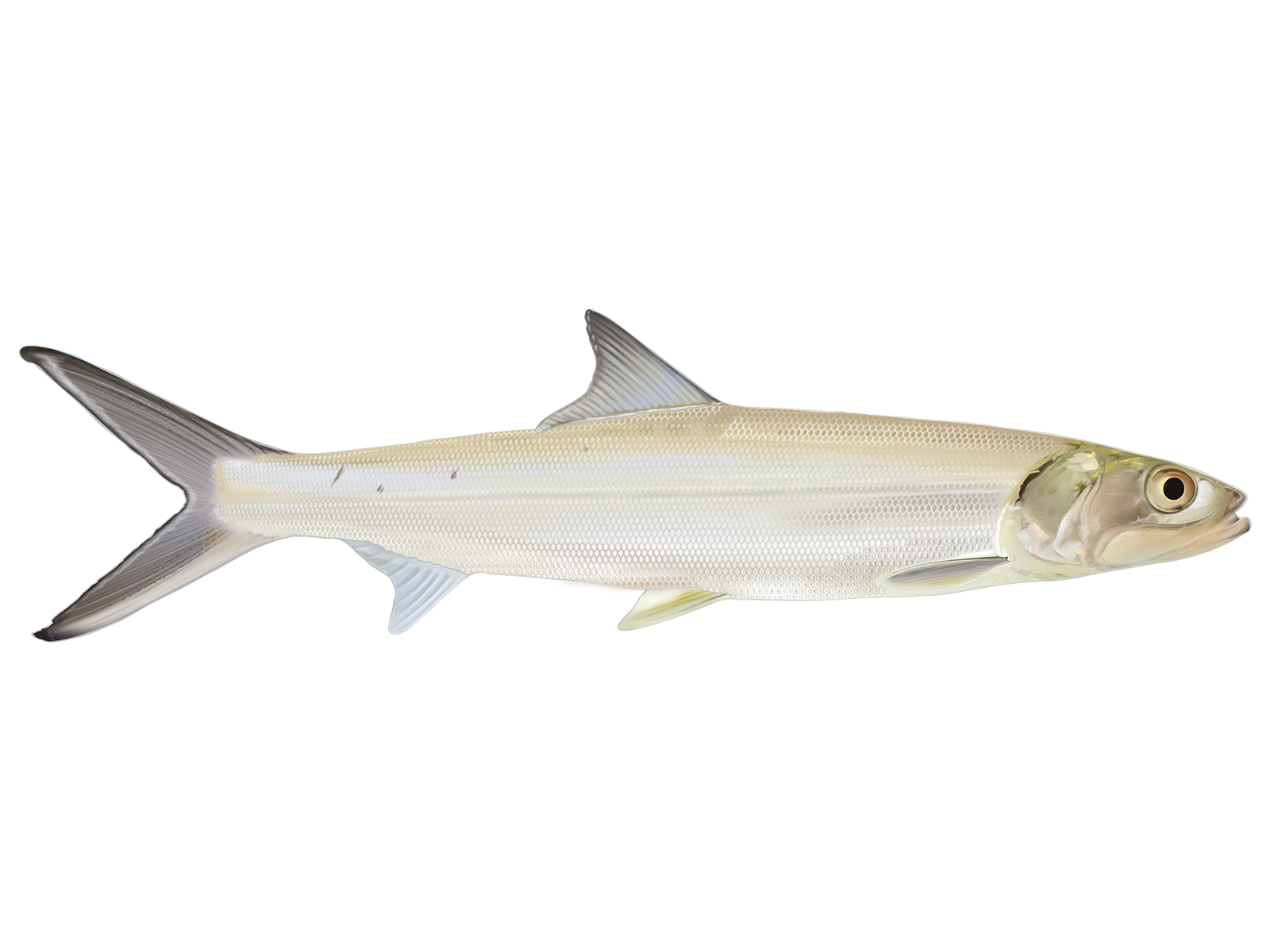 Ladyfish
 Snook
Snook Tarpon
- This 2-hour inshore fishing trip with SuFishNSea puts you right in the action with an experienced captain who knows these waters inside and out. You'll fish with rod and reel using live, dead, or artificial bait
- whatever's working best that day. The captain stays close to offer tips and guidance, making it perfect whether you're just starting out or you've been fishing for years. With only 2 guests max, you get plenty of personalized attention and the best spots to target a variety of local fish. It's a solid half-day on the water that gives you real chances at landing some great catches while learning from someone who fishes these areas regularly.
Trip Pricing and Availabilities:
2hr Inshore Fishing Trip with SuFishNSea
Looking for a quick fishing fix that packs a punch? This 2-hour inshore trip with SuFishNSea is perfect when you want to get on the water without burning a whole day. Captain's got you covered with everything you need – rods, reels, and all the bait options from live shrimp to artificials. With just 2 spots available, you're getting personalized attention that bigger boats can't match. Whether you've been fishing since you were knee-high to a grasshopper or you're picking up a rod for the first time, this trip's designed to put fish in the boat and smiles on faces.
What to Expect on the Water
Your captain knows these inshore waters like the back of their hand, and they'll put that local knowledge to work finding where the fish are biting. We're talking shallow water fishing at its finest – cruising through grass flats, working mangrove shorelines, and hitting those productive drop-offs where predators love to hang out. The boat's rigged for inshore work, so you can get into those skinny water spots where the big boys like to feed. With live bait, dead bait, and artificial options on board, we'll match the presentation to what the fish want that day. Your captain's right there coaching you through hook sets, fighting fish, and landing your catch. Two hours might sound short, but when the bite's on, you'd be amazed how much action you can pack in.
Tackle Talk & Techniques
We're fishing with medium-action spinning rods that can handle everything from schoolie snook to bigger tarpon. Your captain's got the tackle dialed in – circle hooks for live bait fishing, jig heads for soft plastics, and topwater plugs for when fish are busting on the surface. Live bait fishing means we might be slow-trolling shrimp along grass edges or free-lining pinfish near structure. When we're throwing artificials, expect to work paddle tails, spoons, and maybe some topwater action if conditions are right. The beauty of inshore fishing is adapting to what's happening – one minute you're sight fishing to cruising fish, the next you're working a school that's lit up on bait. Your captain reads the water, watches the birds, and positions the boat to give you the best shots at whatever's feeding.
Species You'll Want to Hook
Snook are the crown jewel of inshore fishing, and for good reason. These ambush predators love hanging around structure – docks, mangroves, bridge pilings – anywhere they can pin baitfish against something solid. They've got that distinctive black lateral line and can grow well over 30 inches. Best part about snook? They fight dirty. Expect gill-rattling jumps, powerful runs toward structure, and that satisfying thump when they eat your bait. They're most active during dawn and dusk, but in deeper water or on overcast days, they'll feed throughout the day. Land one of these silver-sided beauties and you'll understand why they're so popular with inshore anglers.
Tarpon might be the most exciting fish you'll ever hook on light tackle. Even the smaller "juvenile" tarpon we target inshore – anywhere from 10 to 40 pounds – will test your drag and your nerves. They're famous for their acrobatic fights, often jumping completely out of the water multiple times. You'll find them rolling on the surface, especially in the warmer months, and they're suckers for live bait presented just right. The key is keeping your rod tip down when they jump to avoid getting thrown. These prehistoric-looking fish with their massive silver scales make for great photos, and most anglers practice catch and release to keep the population healthy.
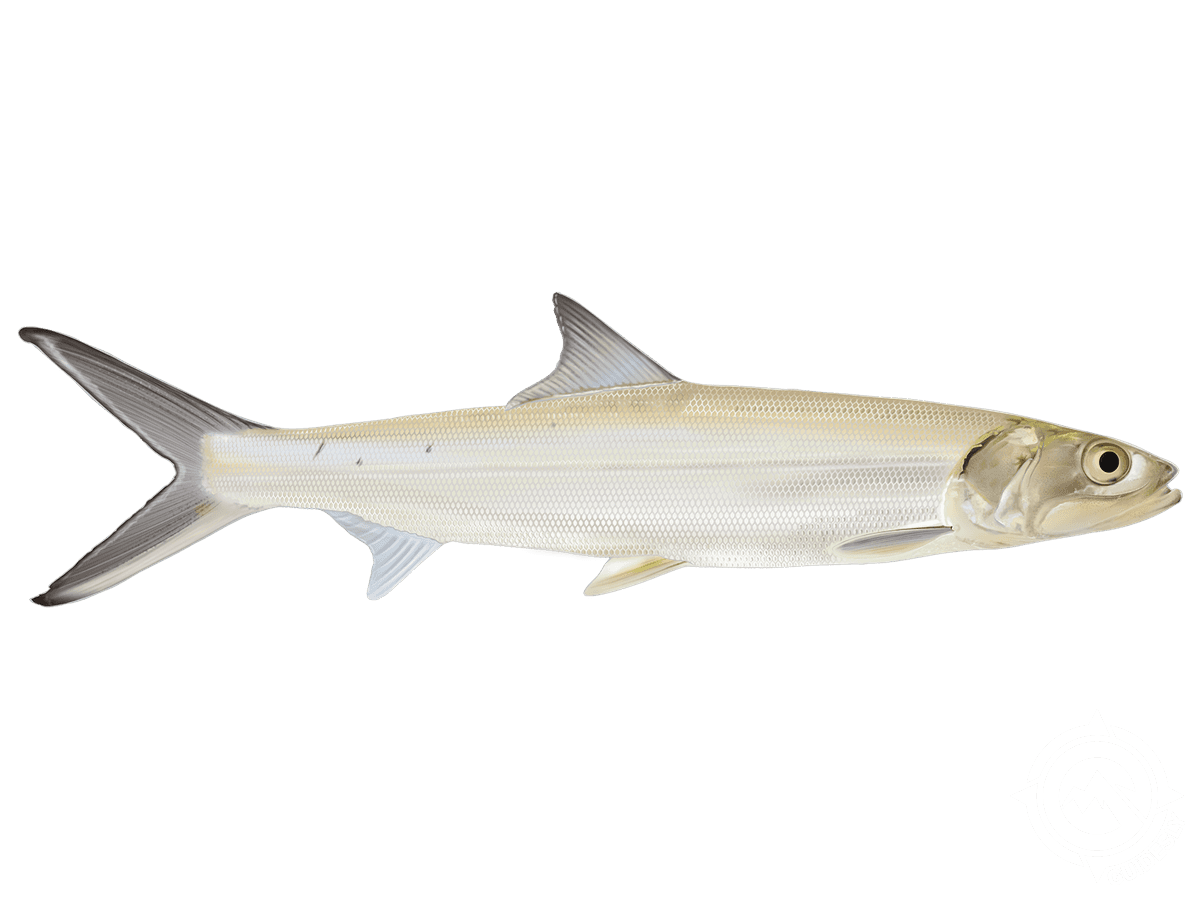
Ladyfish are the perfect species for getting your feet wet or when you want constant action. These smaller members of the tarpon family fight way above their weight class, jumping and running like fish twice their size. They're incredibly abundant in most inshore waters and will hit both live and artificial baits aggressively. What makes them special is their willingness to bite – when other species are finicky, ladyfish will often save the day and keep your rod bent. They travel in schools, so when you find one, there's usually more around. Kids especially love catching ladyfish because they're scrappy fighters and relatively easy to hook.
Great Barracuda bring serious teeth and attitude to your fishing trip. These torpedo-shaped predators are built for speed and can reach lengths of 3-4 feet in our waters. They're aggressive strikers, often hitting lures and baits with explosive force that'll get your heart pumping. Barracuda are visual hunters, so they respond well to flashy spoons and fast-moving artificials, but they'll also ambush live bait. The key is a good wire leader – their razor-sharp teeth will slice through regular line in a heartbeat. They're excellent table fare when prepared right, and their prehistoric appearance makes for memorable photos.
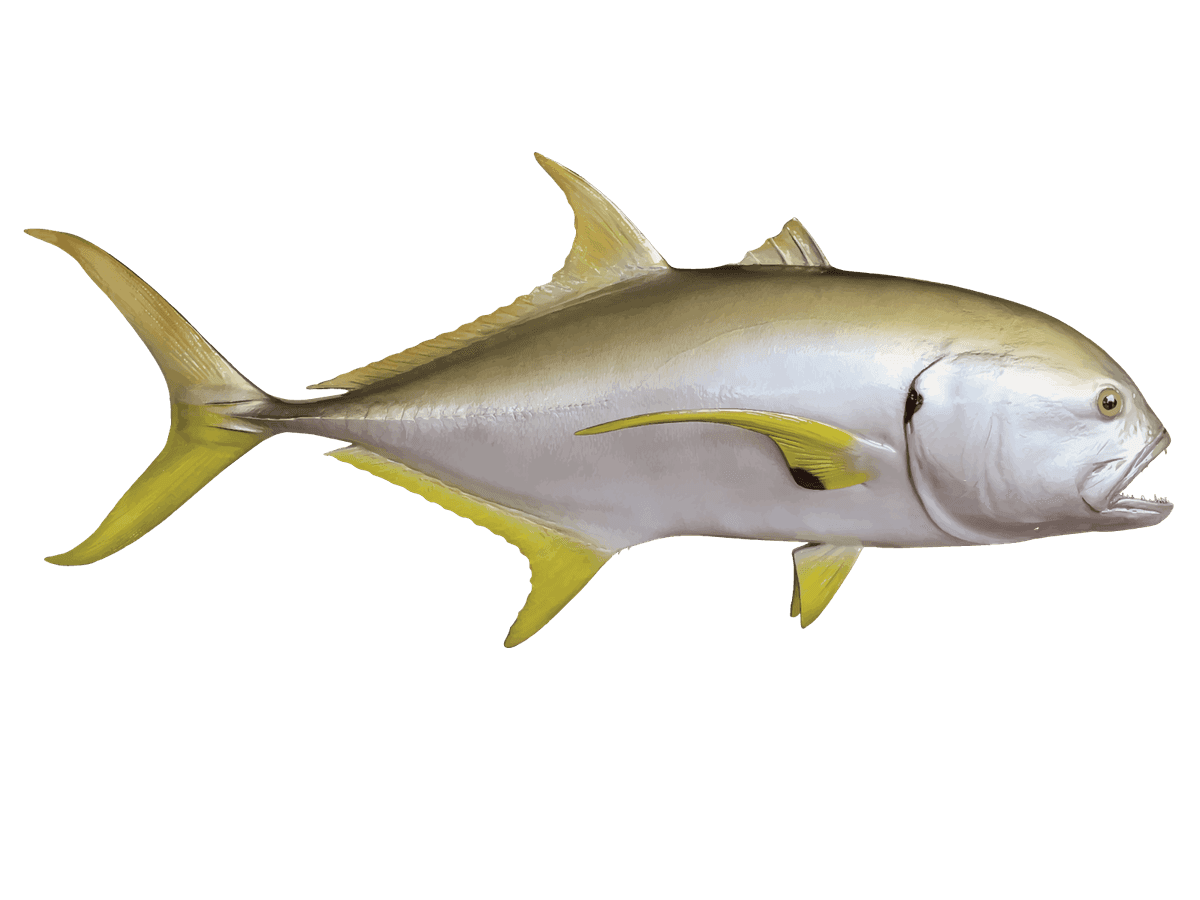
Crevalle Jacks are the bulldogs of the inshore world. These broad-shouldered fighters are pure muscle and will test your tackle to its limits. They hunt in schools and when you find them feeding on bait, the action can be absolutely crazy. Jacks aren't picky eaters – they'll smash topwater plugs, crush live bait, and inhale soft plastics worked through the water column. What makes them special is their never-give-up attitude once hooked. They'll make long, powerful runs and use their broad sides to fight against the current. While they're not typically kept for the table, they provide some of the best fight-per-pound action you'll find in shallow water.
Time to Book Your Spot
This 2-hour inshore trip delivers exactly what serious anglers and newcomers are looking for – quality fishing without the all-day commitment. Your captain's local expertise and the intimate
Learn more about the animals
Crevalle Jack
Jacks are the bullies of the shallows - pure muscle wrapped in golden scales. They typically run 3-5 pounds and 12-24 inches, but the big ones can hit 60+ pounds and really test your gear. Look for them in grass beds, around structure, and pushing baitfish to the surface. Birds diving is your best tip-off - jacks push prey up while birds attack from above. They're around year-round but most active in warmer months. What guests love is the raw power - pound for pound, few fish pull harder. They're like hooking a freight train that doesn't know when to quit. Some folks notice a watermelon smell when schools are feeding heavy. My go-to technique: cast silver spoons or swimbaits past the school and retrieve fast. They love the chase, so keep it moving aggressively.
Great Barracuda
Barracuda are the speed demons of the flats - built like torpedoes and just as fast, hitting 35 mph in short bursts. Most run 2-4 feet, but the big ones can stretch 6 feet and over 100 pounds. You'll find them patrolling shallow reefs, grass flats, and mangrove edges, usually hunting alone except during spring spawning. They're visual predators, so clear water and bright conditions work best. What gets people fired up is that initial strike - it's like getting hit by a freight train. They don't have much stamina, but they'll jump and thrash like crazy when first hooked. Not the best table fare due to potential toxins, but the fight is worth it. Here's my trick: use wire leaders and shiny lures that flash in the sun. Cast past them and retrieve fast - they can't resist the chase.
Ladyfish
Don't let anyone call these "trash fish" around me - ladyfish are pure fun on light tackle. They're the poor man's tarpon for good reason, jumping and tail-walking across the surface when hooked. Most run 12-20 inches, but they can hit 30+ inches in good water. You'll find them in shallow bays, around docks, and near beaches year-round. They're not picky about tides or time of day, making them perfect for beginners or when other fish aren't biting. While they're not great eating, they make excellent bait for bigger predators. What guests love is the non-stop action - where there's one, there's usually a school. Use light spinning gear with small jigs or live shrimp. Pro tip: bring a heavy mono leader since their small teeth will cut through light line fast.
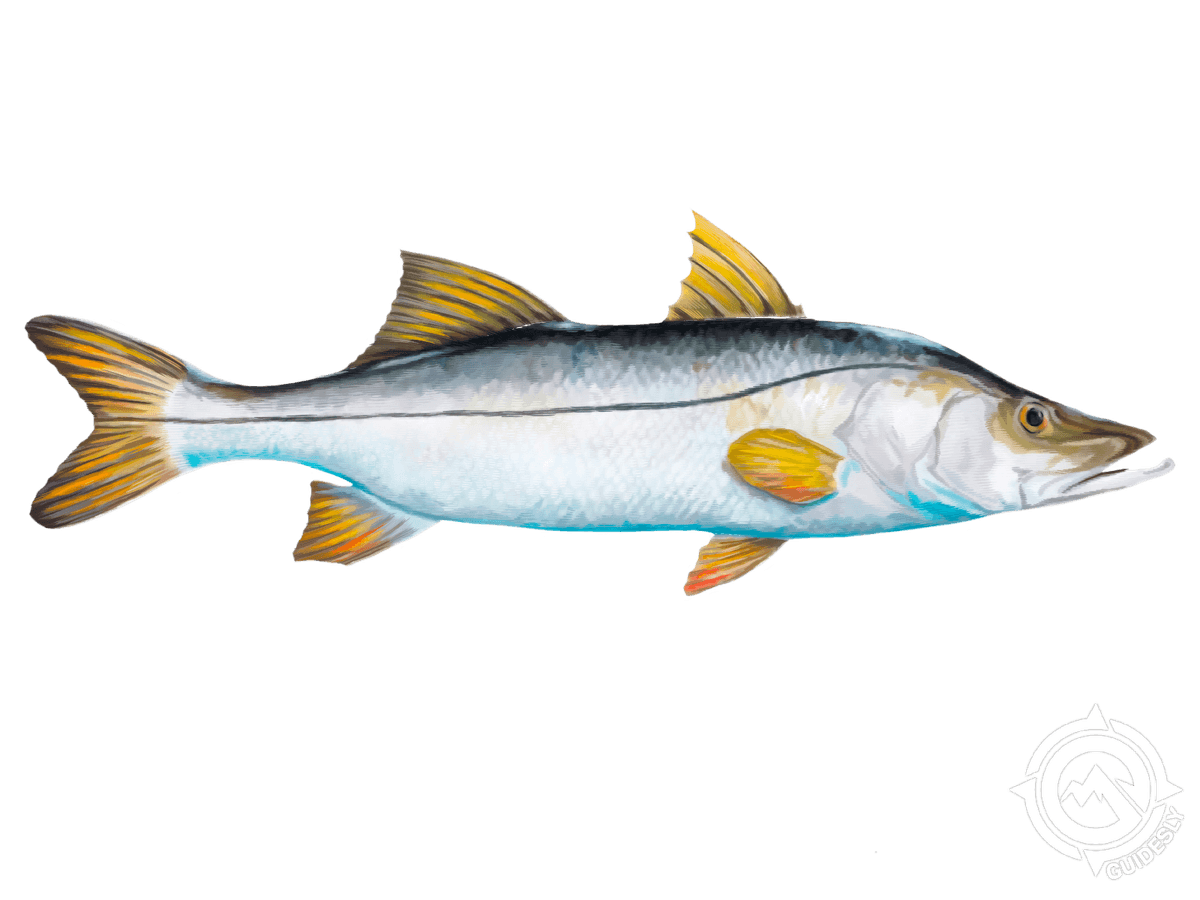
Snook
Snook are the perfect inshore target - they're like underwater bass with attitude. Most run 1-3 feet, but the big girls can push 4+ feet and really test your drag. You'll find them hanging around mangroves, docks, and creek mouths where they ambush baitfish. They love structure and current breaks in shallow water, rarely deeper than 20 feet. May through September is prime time when they're spawning and feeding heavy around the full and new moons. What makes them special is that explosive strike and bulldogging fight - they'll run straight for cover when hooked. Plus, they're excellent table fare. Pro tip: use a heavy leader and keep your bait moving naturally through the strike zone. These fish are spooky, so quiet presentations work best.
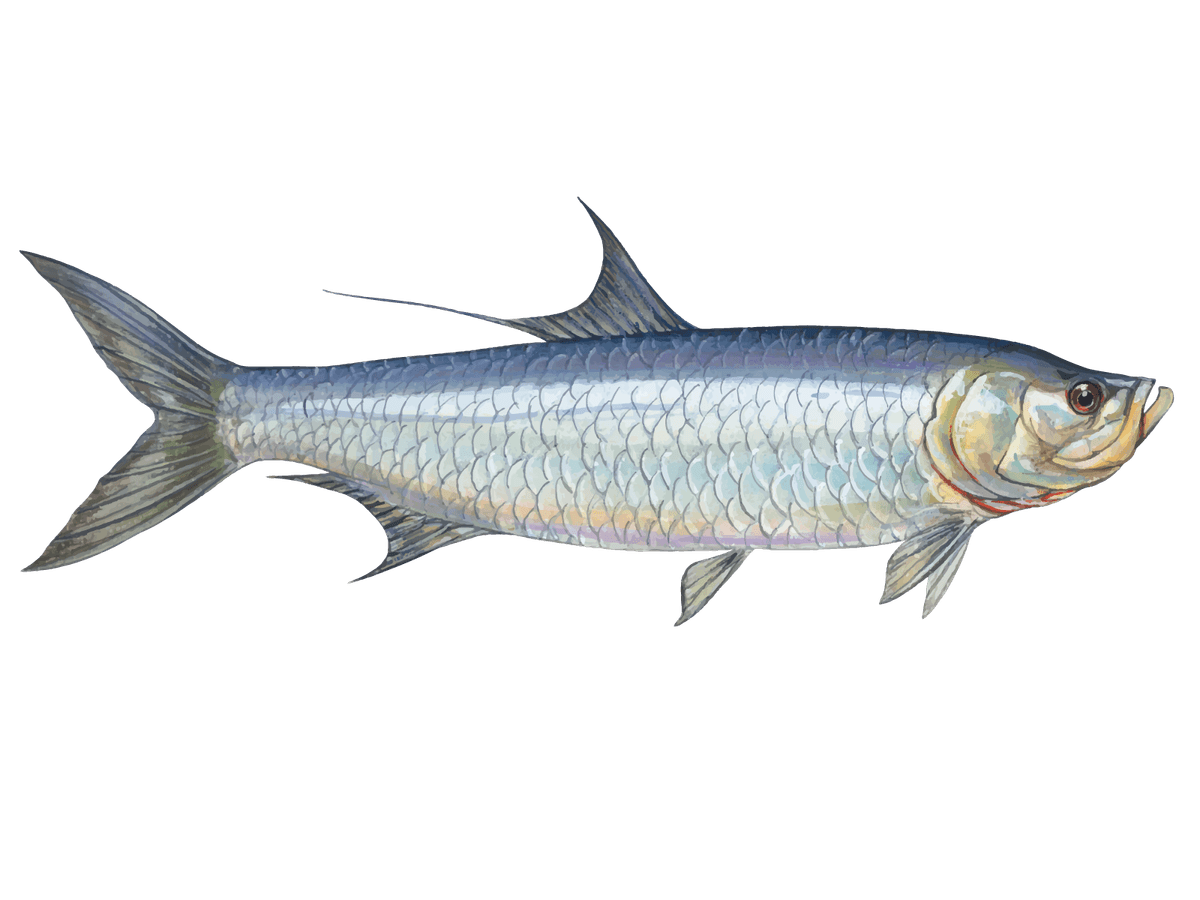
Tarpon
The silver king is what fishing dreams are made of. These prehistoric giants average 4-6 feet and 80-100 pounds, but can reach 8 feet and 280+ pounds. You'll spot them rolling in shallow flats, around bridges, and in deep channels. They love warm water from May through September, especially during major moon phases when they're most active. What hooks anglers isn't the taste - most release them anyway - it's watching a 100-pound fish launch 10 feet out of the water. That first jump will get your heart pounding every time. They fight like nothing else, mixing raw power with aerial acrobatics. Here's the key: when they jump, bow to the king - drop your rod tip to give them slack, or they'll throw the hook every time. Use circle hooks and heavy leaders.
About the Center Console Boat
%2F%2Fusers%2F22ec3c8f-3e67-4dd1-a9d1-67fa97781b18%2Fvehicle_picture%2Ffullsizerender-mm880ldv.jpeg&w=1200&q=75)
Vehicle Guest Capacity: 6
Manufacturer Name: Mercury
Maximum Cruising Speed: 42
Number of Engines: 1
Horsepower per Engine: 200