%2Ffit-in%2F250x250%2Fusers%2F22ec3c8f-3e67-4dd1-a9d1-67fa97781b18%2Fimages%2Fa4c51974-f39c-437a-9280-f9e9fe5ae40e.jpg&w=1920&q=100)
/users/22ec3c8f-3e67-4dd1-a9d1-67fa97781b18/ratecard/img_3365-mm86dxu5.jpeg)
%2F300x300%2Fusers%2F22ec3c8f-3e67-4dd1-a9d1-67fa97781b18%2Fratecard%2Fimg_3365-mm86dxu5.jpeg&w=256&q=75)
%2F300x300%2Fusers%2F22ec3c8f-3e67-4dd1-a9d1-67fa97781b18%2Fimages%2Fsan-juan-tarpon-fishing-success-2574.jpeg&w=256&q=75)
%2F300x300%2Fusers%2F22ec3c8f-3e67-4dd1-a9d1-67fa97781b18%2Fimages%2Fmahi-mahi-catch-san-juan-2671.jpeg&w=256&q=75)
%2F300x300%2Fusers%2F22ec3c8f-3e67-4dd1-a9d1-67fa97781b18%2Fimages%2Fbillfish-catch-san-juan-fishing-2390.jpeg&w=256&q=75)
%2F300x300%2Fusers%2F22ec3c8f-3e67-4dd1-a9d1-67fa97781b18%2Fimages%2Fblue-marlin-san-juan-fishing-2676.jpeg&w=256&q=75)
%2F300x300%2Fusers%2F22ec3c8f-3e67-4dd1-a9d1-67fa97781b18%2Fimages%2Fsan-juan-snook-fishing-catch-2716.jpeg&w=256&q=75)
%2F300x300%2Fusers%2F22ec3c8f-3e67-4dd1-a9d1-67fa97781b18%2Fimages%2Fsan-juan-tarpon-close-up-3243.jpeg&w=256&q=75)
%2F300x300%2Fusers%2F22ec3c8f-3e67-4dd1-a9d1-67fa97781b18%2Fimages%2Fatlantic-sailfish-catch-san-juan-2746.jpg&w=256&q=75)
%2F300x300%2Fusers%2F22ec3c8f-3e67-4dd1-a9d1-67fa97781b18%2Fimages%2Ftarpon-catch-san-juan-pr-2663.jpg&w=256&q=75)
%2F300x300%2Fusers%2F22ec3c8f-3e67-4dd1-a9d1-67fa97781b18%2Fimages%2Ftarpon-catch-san-juan-pr-2666.jpg&w=256&q=75)
%2F300x300%2Fusers%2F22ec3c8f-3e67-4dd1-a9d1-67fa97781b18%2Fimages%2Fsan-juan-tarpon-fishing-catch-3874.png&w=256&q=75)
Top-Rated 3-4 Hour Jigging Trip with SuFishNSea
 San Juan
What you will be catching:
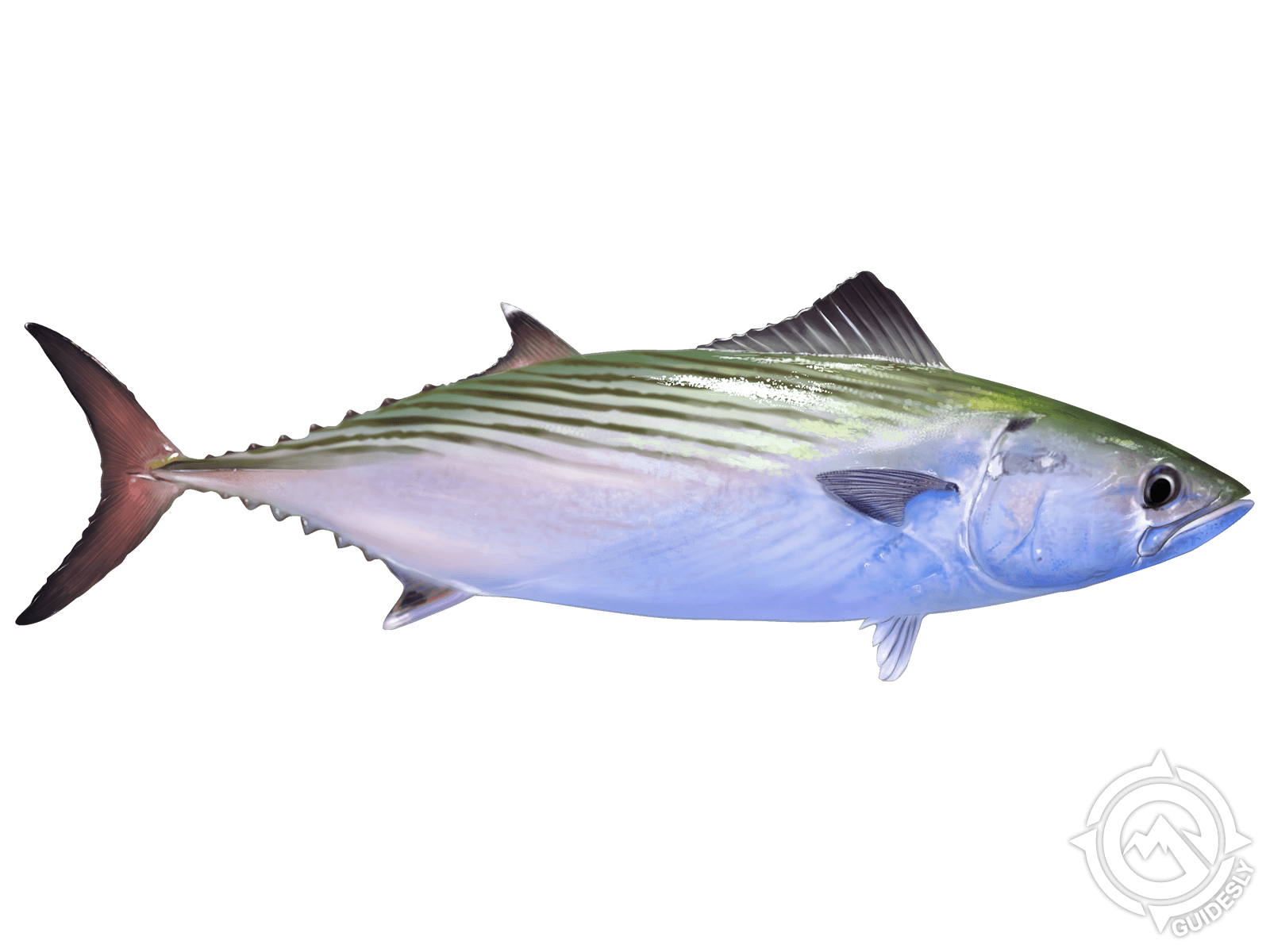
 Atlantic Bonito
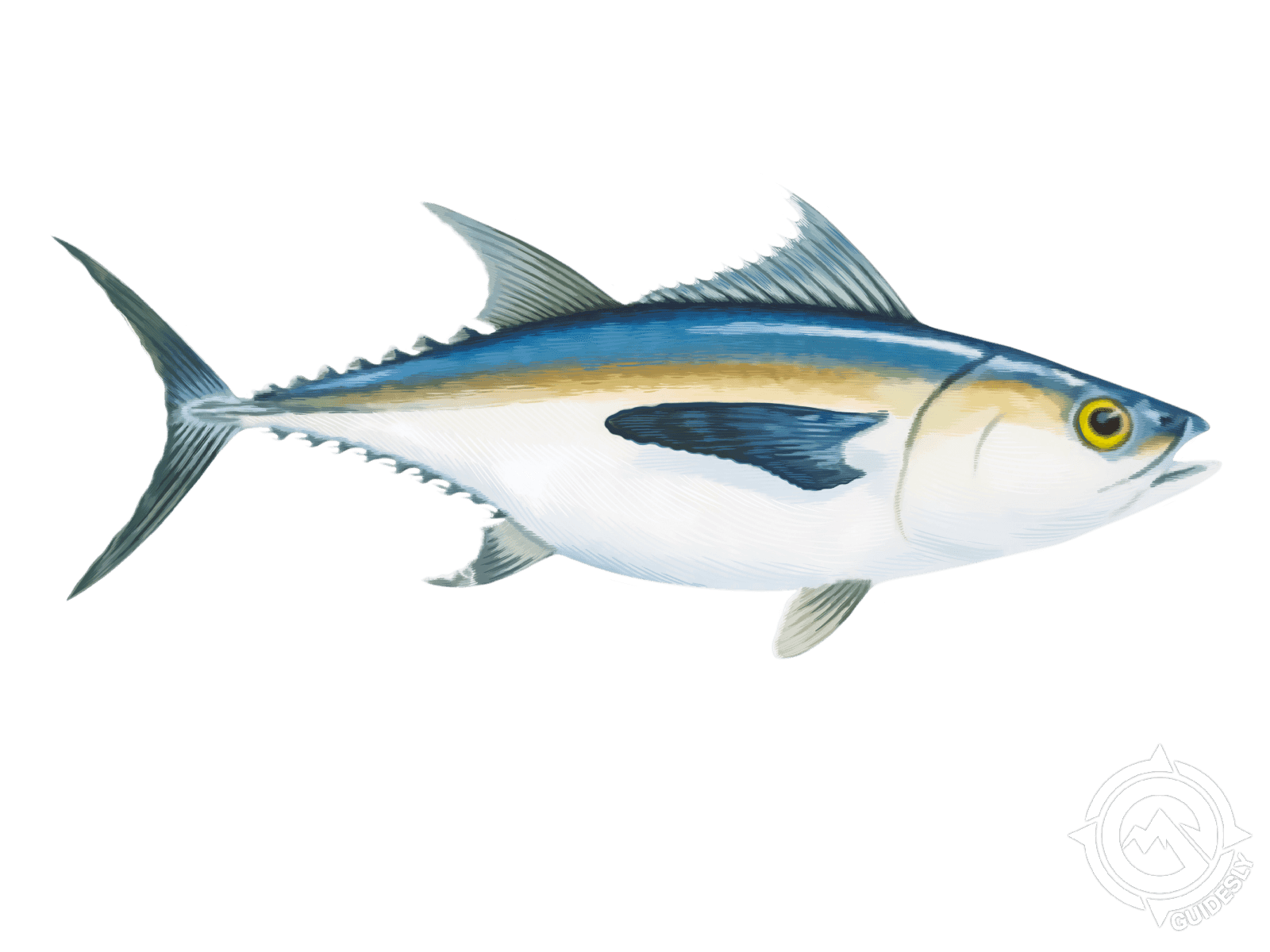
 Blackfin Tuna
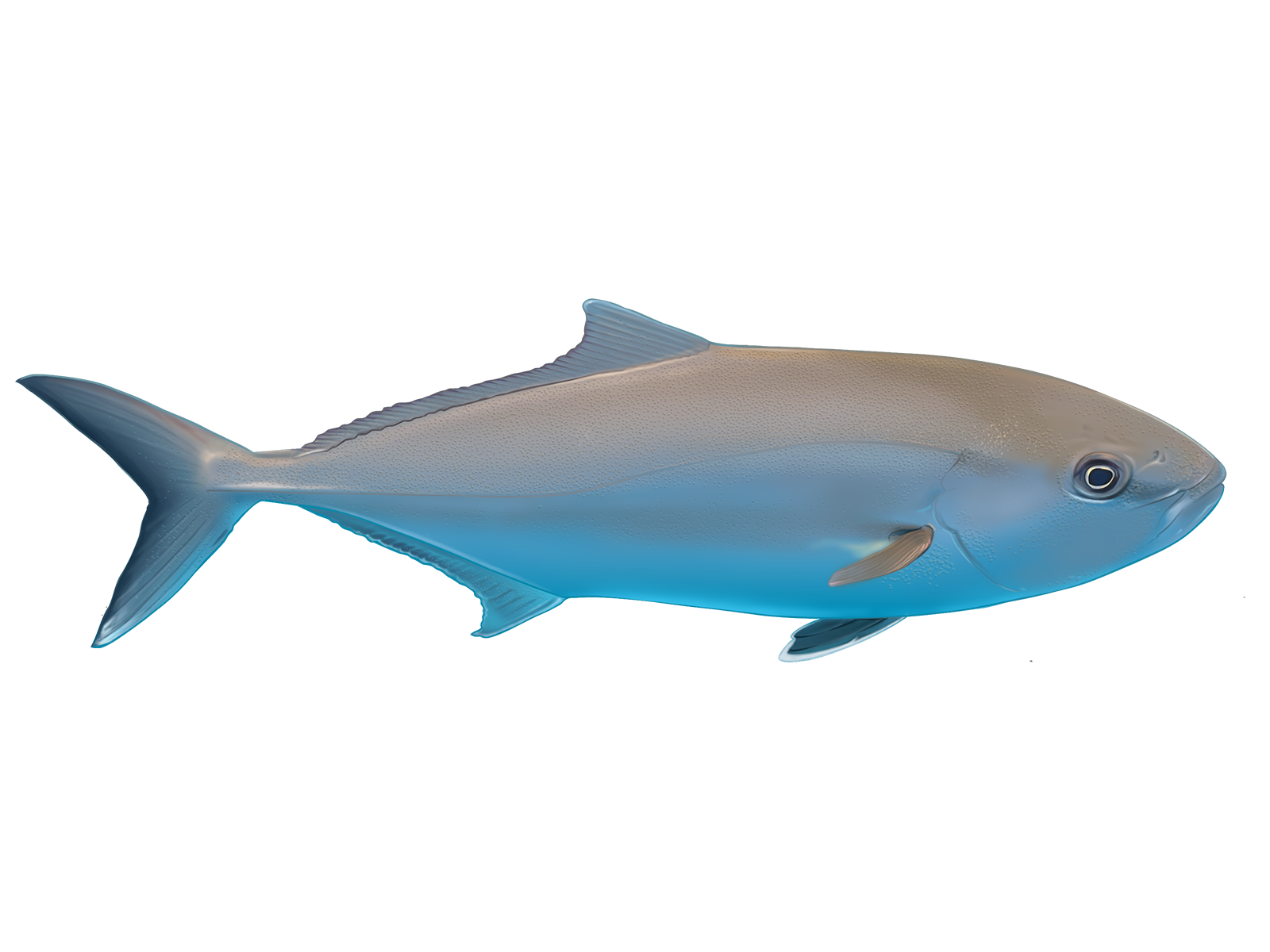 Greater Amberjack
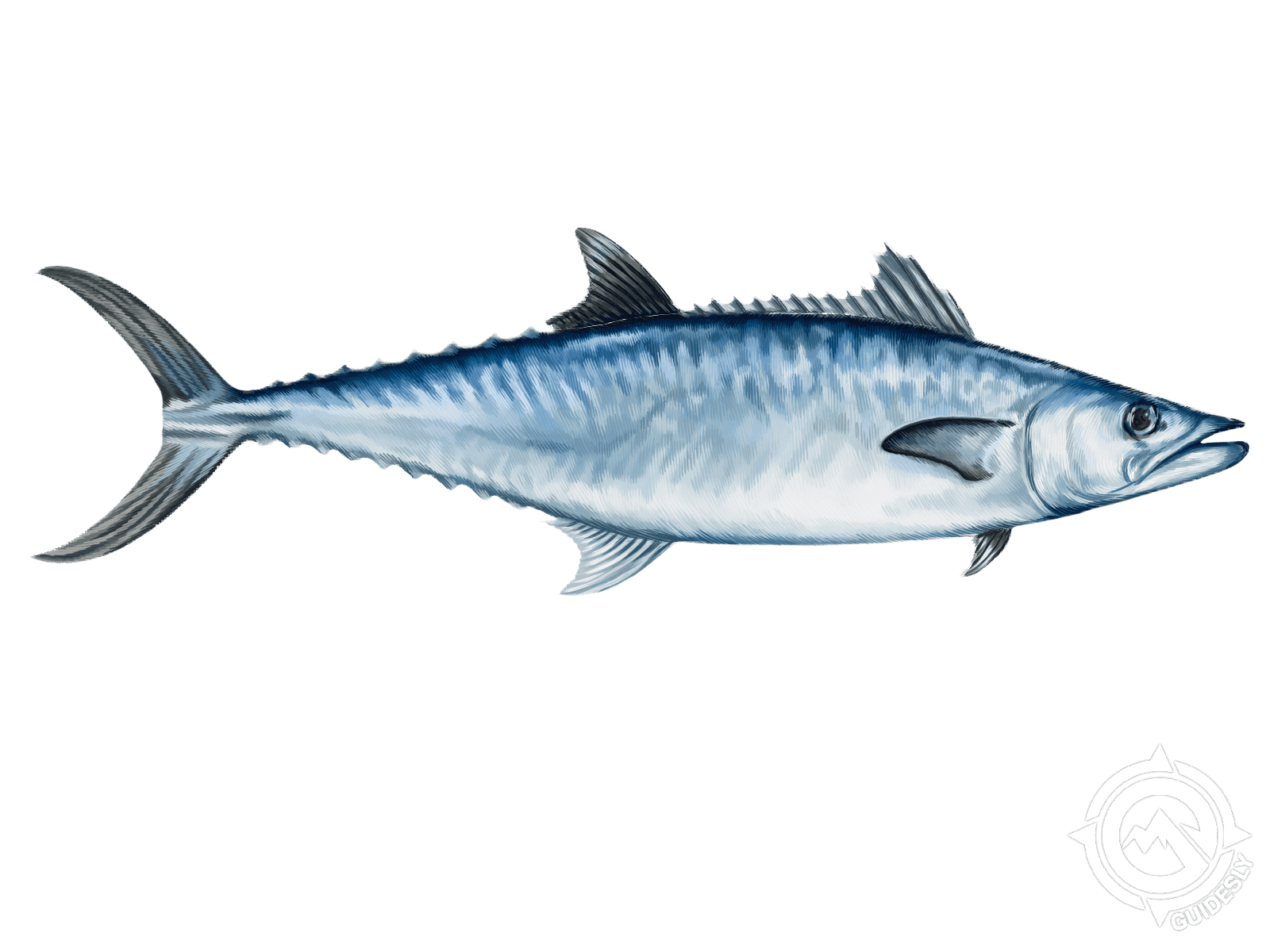
 King Mackerel
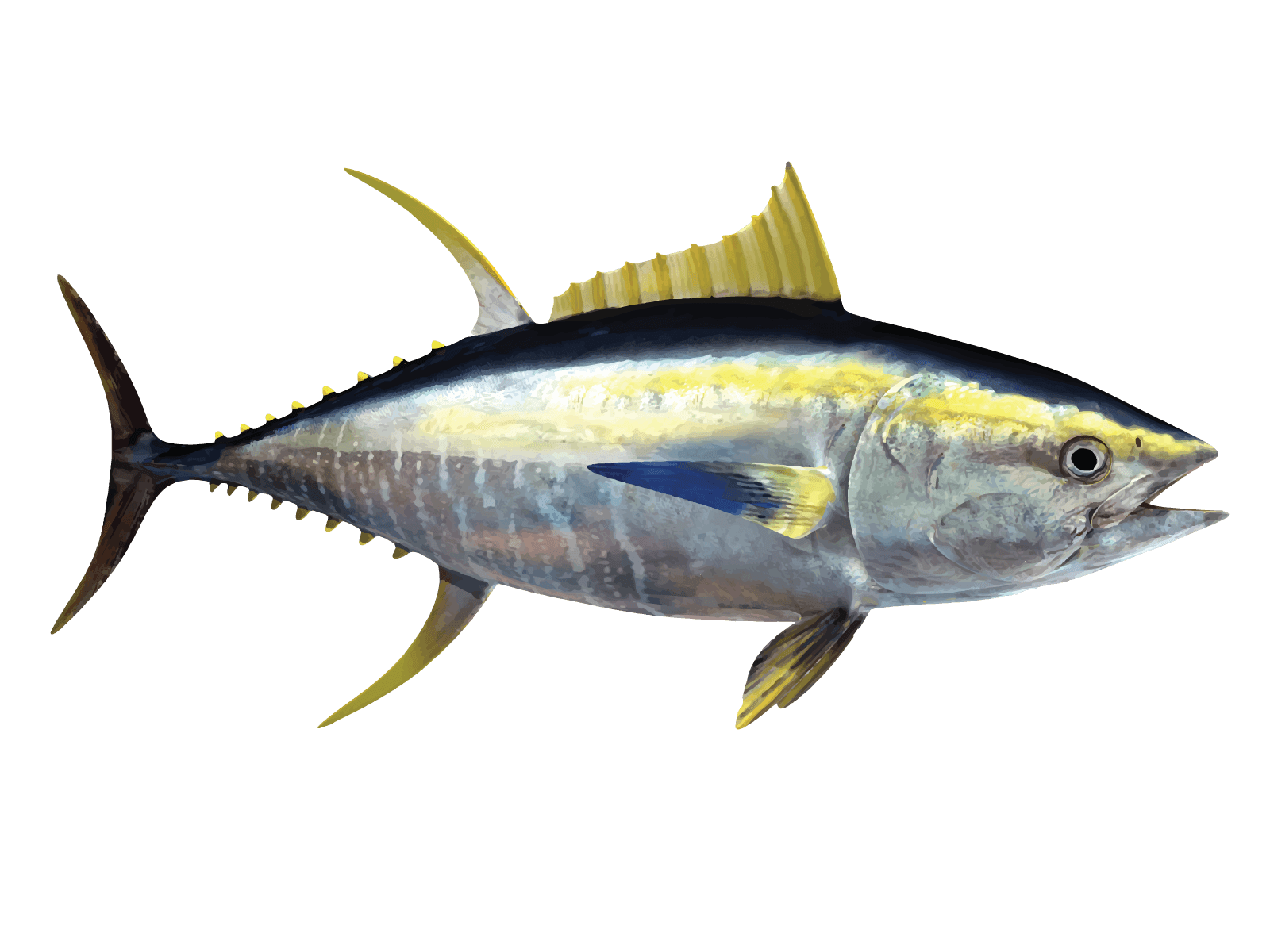
 Yellowfin Tuna
- This early morning vertical jigging trip starts at 6 AM and puts you right on the wrecks where the fish are holding. You'll be working vertical jigs with rod and reel to target whatever's biting
- could be anything from snappers to grouper depending on the day. The captain stays right with you to help dial in the technique, which can be pretty demanding but really effective. It's a small boat setup with just 2 guests max, so you get plenty of personal attention. Weather has to cooperate for this style of fishing, but if conditions aren't right, you can either get your money back or switch to an inshore option instead.
Trip Pricing and Availabilities:
4hr Reef Vertical Jigging Adventure
Looking for a fishing trip that'll test your skills and get your heart pumping? This 4-hour vertical jigging adventure with SuFishNSea is exactly what you need. We're talking about an early morning start at 6 a.m., hitting prime reef structures when the fish are most active. This isn't your typical cast-and-wait fishing – vertical jigging demands constant attention, quick reflexes, and solid technique. You'll be working heavy jigs straight down through the water column, targeting some seriously impressive species that call these reefs home. With just 2 spots available, you get personalized attention from our captain who knows these waters like the back of his hand.
What to Expect on the Water
This top-rated morning trip puts you right in the action zone where the big pelagics cruise the reef edges. We launch before sunrise to capitalize on that magical first-light bite when predators are actively hunting. The captain will position the boat over productive structure, and you'll drop heavy vertical jigs – usually 4 to 8 ounces – straight down to depths where the action happens. Don't expect to sit back and relax; vertical jigging is an athletic style of fishing that keeps you engaged every second. The small group size means you get one-on-one coaching, learning the subtle rod work and timing that makes all the difference. When conditions aren't ideal for this demanding technique, we offer full refunds or the option to switch to an inshore alternative, so you're never stuck with a subpar experience.
Mastering the Vertical Game
Vertical jigging is all about working those jigs with purpose – sharp upward rod snaps followed by controlled drops that mimic wounded baitfish. The captain will teach you the rhythm: lift, drop, pause, repeat. Your jig needs to stay directly under the boat, which means constant adjustments as we drift over structure. We use heavy spinning or conventional tackle paired with high-speed reels that can handle the quick retrieves when fish strike on the drop. The technique targets fish holding tight to bottom structure or suspended in the water column, especially around reef edges where current brings baitfish into the strike zone. Expect your arms to get a workout – this style separates casual anglers from serious fishermen, but the payoff in quality fish makes every pump worth it.
Species You'll Want to Hook
Blackfin Tuna are the speed demons of this fishery, typically running 10-20 pounds with occasional larger specimens. These fish hit vertical jigs with explosive force, often while you're working the jig upward through the water column. Best targeting happens during cooler months when they school heavily around reef structures. What makes blackfins special is their incredible stamina – they'll make multiple long runs that test your drag system and endurance. Plus, they're fantastic table fare with that deep red meat perfect for searing.
King Mackerel patrol these reefs year-round but peak during spring and fall migrations. These toothy predators average 15-30 pounds in our area, with trophy fish pushing 40-plus. Kings often strike on the drop, so you need to stay alert for that subtle tick in your line. They're known for their blistering initial runs and acrobatic jumps that'll get your adrenaline pumping. Wire leaders are essential since their razor-sharp teeth will slice through mono in seconds.
Atlantic Bonito bring non-stop action when they move through, typically in cooler months. These 5-10 pound speedsters travel in schools and compete aggressively for jigs, often resulting in multiple hookups. They fight way above their weight class with sustained runs that'll surprise first-time anglers. Bonito are also excellent eating when prepared fresh, making them a customer favorite for both sport and the dinner table.
Greater Amberjack are the bulldogs of the reef, with fish commonly reaching 30-50 pounds in our waters. These bruisers live around hard structure and will immediately try to dive back into the rocks when hooked. Landing a big AJ requires serious muscle and technique – you can't give them an inch or they'll wrap you up in the reef. Peak season runs spring through fall, and these fish provide some of the most challenging fights you'll experience on rod and reel.
Yellowfin Tuna represent the ultimate prize for vertical jig fishermen. These oceanic wanderers show up when conditions align – usually during warmer months when blue water pushes close to the reefs. Yellowfins in our area typically range 20-60 pounds, with their distinctive yellow fins and incredible power. They're arguably the strongest fish pound-for-pound that you'll encounter, capable of long, sustained runs that can empty your reel. When yellowfins are biting, experienced anglers will tell you there's no better fishing anywhere.
Time to Book Your Spot
This world-class vertical jigging experience fills up fast, especially during peak seasons when the bite is hot. With only 2 anglers per trip, you're getting the kind of personalized instruction and fish-fighting space that larger boats simply can't offer. The early morning timing means you'll be back at the dock by 10 a.m. with the rest of your day free – and hopefully a cooler full of premium fish. Weather dependency keeps this trip exclusive to ideal conditions, ensuring you get the full vertical jigging experience when you book. Don't wait on this one – serious anglers know that small boat, big fish opportunities like this are rare finds.
Learn more about the animals
Atlantic Bonito
Atlantic Bonito might look like small tuna, but don't let their size fool you - these 5-12 pound fish are pure muscle and speed. They school up in huge numbers and feed aggressively on the surface, often jumping clear out of the water chasing bait. Look for diving birds to find feeding schools. Bonito prefer water temps in the 60s and migrate along the coast seasonally. While they're not great eating in the U.S., they're fantastic sport fish that hit jigs hard and fight like fish twice their size. You can spot schools from a distance because they swim with their dorsal fins cutting the surface like mini sharks. Once you find a feeding school, they'll hit almost anything you throw at them. Stick with fast-moving lures - these fish cruise at high speed and won't chase slow presentations.
Blackfin Tuna
Blackfin Tuna are the smallest in the tuna family, averaging 20-30 pounds, but they fight way above their weight class. These beautiful fish show off striking yellow stripes that fade after they're caught. You'll find them in warm waters over 68°F, typically hanging around the continental shelf edges where they school with skipjack tuna. Fall through spring gives you the best shot at hooking into them. What makes blackfin special is their aggressive nature - they'll hammer vertical jigs with serious attitude. The meat is excellent, perfect for sashimi or searing. Here's the key: scale down your tackle when jigging for them. Their eyesight is razor sharp, so go with lighter fluorocarbon leaders and smaller hooks than you'd think. When you hook one, be ready - these fish are built for speed and won't give up easy.
Greater Amberjack
Greater Amberjack are the bulldozers of the reef - powerful fish that average 20-40 pounds and can push 60+ on a good day. They've got that distinctive amber stripe and will turn darker when they're feeding or fired up. You'll find them around structure in deeper water, and they're not picky eaters. Amberjack will crush both live bait and jigs, making them perfect for vertical jigging trips. What makes them popular is their dogged fight - they'll use their broad sides and every bit of structure to try and break you off. The meat's good eating, though larger fish can carry ciguatera. Spring and fall tend to be most productive when they're feeding heavily before migrations. My advice: don't try to muscle them up right away. Let them make their first few runs, then apply steady pressure. These fish will wear themselves out fighting if you stay patient and keep them away from the reef.
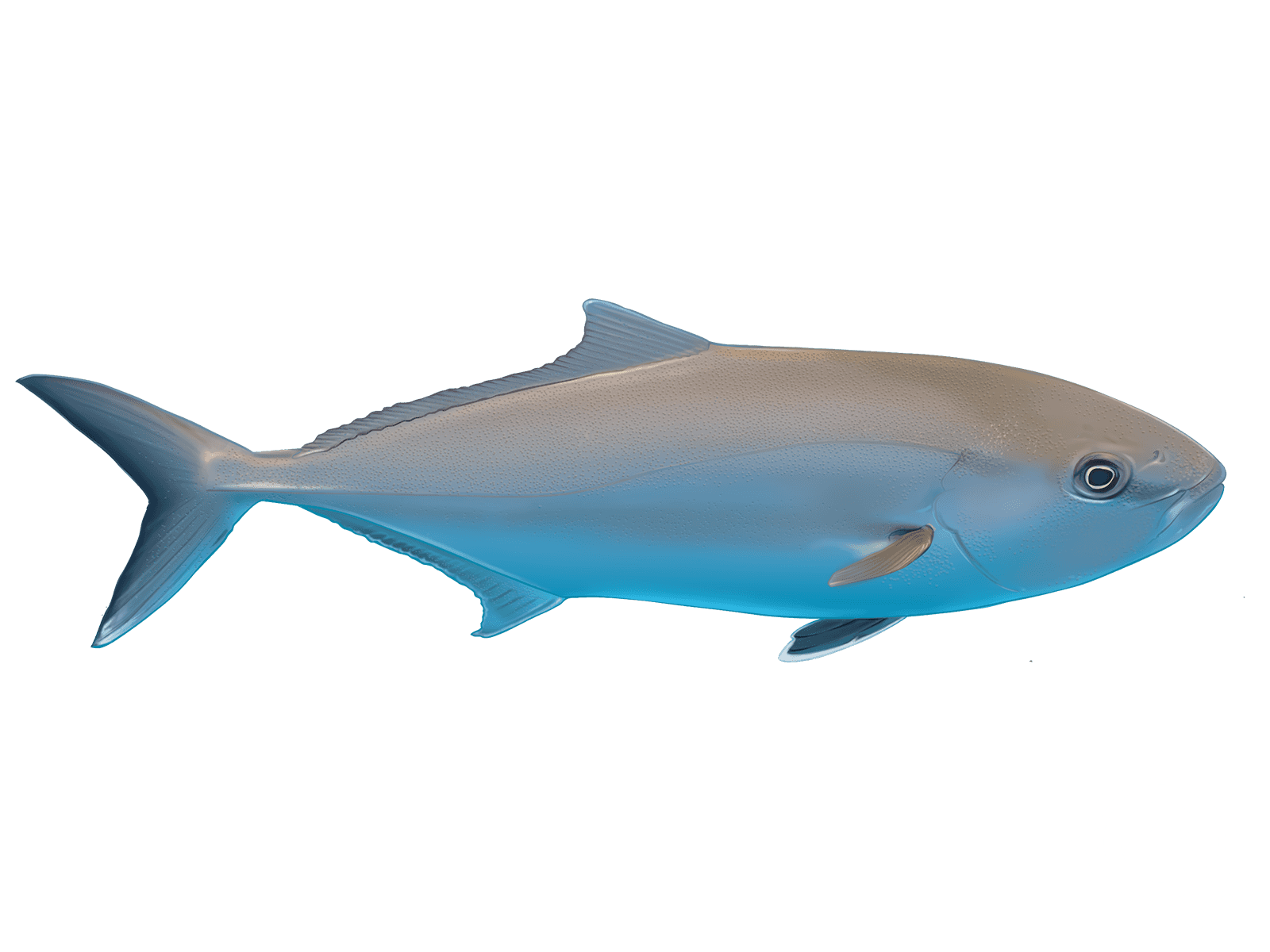
King Mackerel
King Mackerel are speed demons that'll test your drag system in a hurry. Most run 10-30 pounds, but the big females can push 50+ and will absolutely smoke your reel. You'll find them in 40-150 feet of water, often around structure or temperature breaks. They prefer water temps between 68-84°F, making spring through fall prime time. What gets anglers hooked is their blistering runs - these fish can hit 40 mph easily. The meat's decent but has higher mercury levels. Kings are aggressive feeders that'll crush both live bait and jigs when they're fired up. Pro tip: always use a wire leader with two hooks when using live bait. Kings typically grab the tail end of their prey first, so that trailing hook often makes the difference between a hookup and a story about the one that got away.
Yellowfin Tuna
Yellowfin Tuna are the holy grail for many offshore anglers - powerful, fast, and absolutely delicious. Most of what we see runs 30-80 pounds, but the big ones can top 200. These warm-blooded fish cruise in the top 100 feet of blue water and can hit 50 mph when they want to. Look for them around floating debris, temperature breaks, or diving birds. Spring through fall offers the best action in most areas. What makes yellowfin special is everything - the long, screaming runs, their acrobatic jumps, and that premium sashimi-grade meat. They're also smart, so you need to match the tackle to the conditions. When the bite gets tough and nothing's hitting the trolling spread, switching to vertical jigs often saves the day. Here's a tip: when chunking for finicky fish, match your bait to whatever they're feeding on naturally. Fresh chunks of the right baitfish will outfish anything artificial when they're being picky.
About the Center Console Boat
%2F%2Fusers%2F22ec3c8f-3e67-4dd1-a9d1-67fa97781b18%2Fvehicle_picture%2Fimg_3371-mm87r61b.jpeg&w=1920&q=75)
Vehicle Guest Capacity: 4
Manufacturer Name: Yamaha
Maximum Cruising Speed: 42
Number of Engines: 2
Horsepower per Engine: 300