%2Ffit-in%2F250x250%2Fusers%2F22ec3c8f-3e67-4dd1-a9d1-67fa97781b18%2Fimages%2Fa14c5e2f-b060-43c4-ab0a-8a14a6c9d447.jpg&w=1200&q=100)
/users/22ec3c8f-3e67-4dd1-a9d1-67fa97781b18/ratecard/img_3373-mm89oxbt.jpeg)
%2F300x300%2Fusers%2F22ec3c8f-3e67-4dd1-a9d1-67fa97781b18%2Fratecard%2Fimg_3373-mm89oxbt.jpeg&w=256&q=75)
%2F300x300%2Fusers%2F22ec3c8f-3e67-4dd1-a9d1-67fa97781b18%2Fimages%2Fsan-juan-tarpon-fishing-success-2574.jpeg&w=256&q=75)
%2F300x300%2Fusers%2F22ec3c8f-3e67-4dd1-a9d1-67fa97781b18%2Fimages%2Fmahi-mahi-catch-san-juan-2671.jpeg&w=256&q=75)
%2F300x300%2Fusers%2F22ec3c8f-3e67-4dd1-a9d1-67fa97781b18%2Fimages%2Fbillfish-catch-san-juan-fishing-2390.jpeg&w=256&q=75)
%2F300x300%2Fusers%2F22ec3c8f-3e67-4dd1-a9d1-67fa97781b18%2Fimages%2Fblue-marlin-san-juan-fishing-2676.jpeg&w=256&q=75)
%2F300x300%2Fusers%2F22ec3c8f-3e67-4dd1-a9d1-67fa97781b18%2Fimages%2Fsan-juan-snook-fishing-catch-2716.jpeg&w=256&q=75)
%2F300x300%2Fusers%2F22ec3c8f-3e67-4dd1-a9d1-67fa97781b18%2Fimages%2Fsan-juan-tarpon-close-up-3243.jpeg&w=256&q=75)
%2F300x300%2Fusers%2F22ec3c8f-3e67-4dd1-a9d1-67fa97781b18%2Fimages%2Fatlantic-sailfish-catch-san-juan-2746.jpg&w=256&q=75)
%2F300x300%2Fusers%2F22ec3c8f-3e67-4dd1-a9d1-67fa97781b18%2Fimages%2Ftarpon-catch-san-juan-pr-2663.jpg&w=256&q=75)
%2F300x300%2Fusers%2F22ec3c8f-3e67-4dd1-a9d1-67fa97781b18%2Fimages%2Ftarpon-catch-san-juan-pr-2666.jpg&w=256&q=75)
%2F300x300%2Fusers%2F22ec3c8f-3e67-4dd1-a9d1-67fa97781b18%2Fimages%2Fsan-juan-tarpon-fishing-catch-3874.png&w=256&q=75)
World Class 4hr Inshore Trip SuFishNSea
 San Juan
What you will be catching:
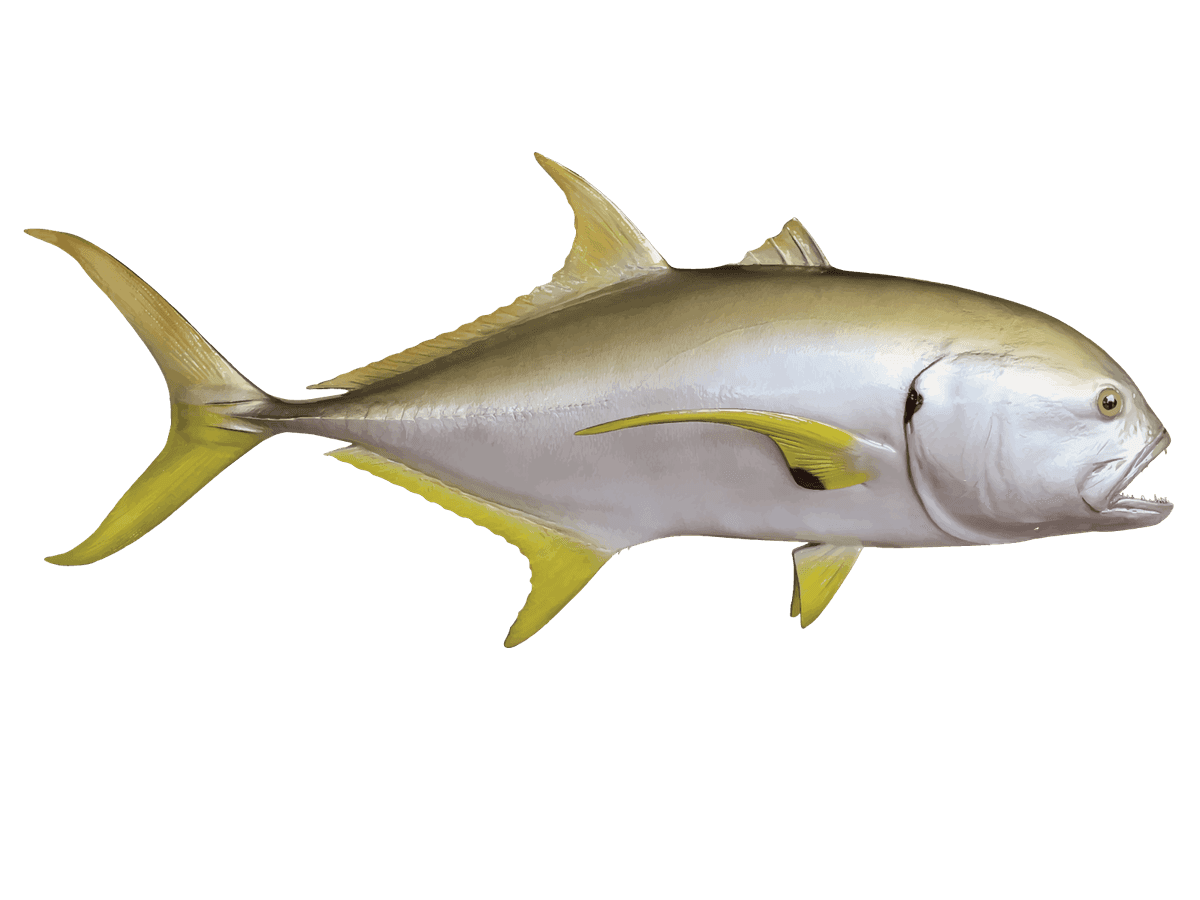
 Crevalle Jack
 Great Barracuda
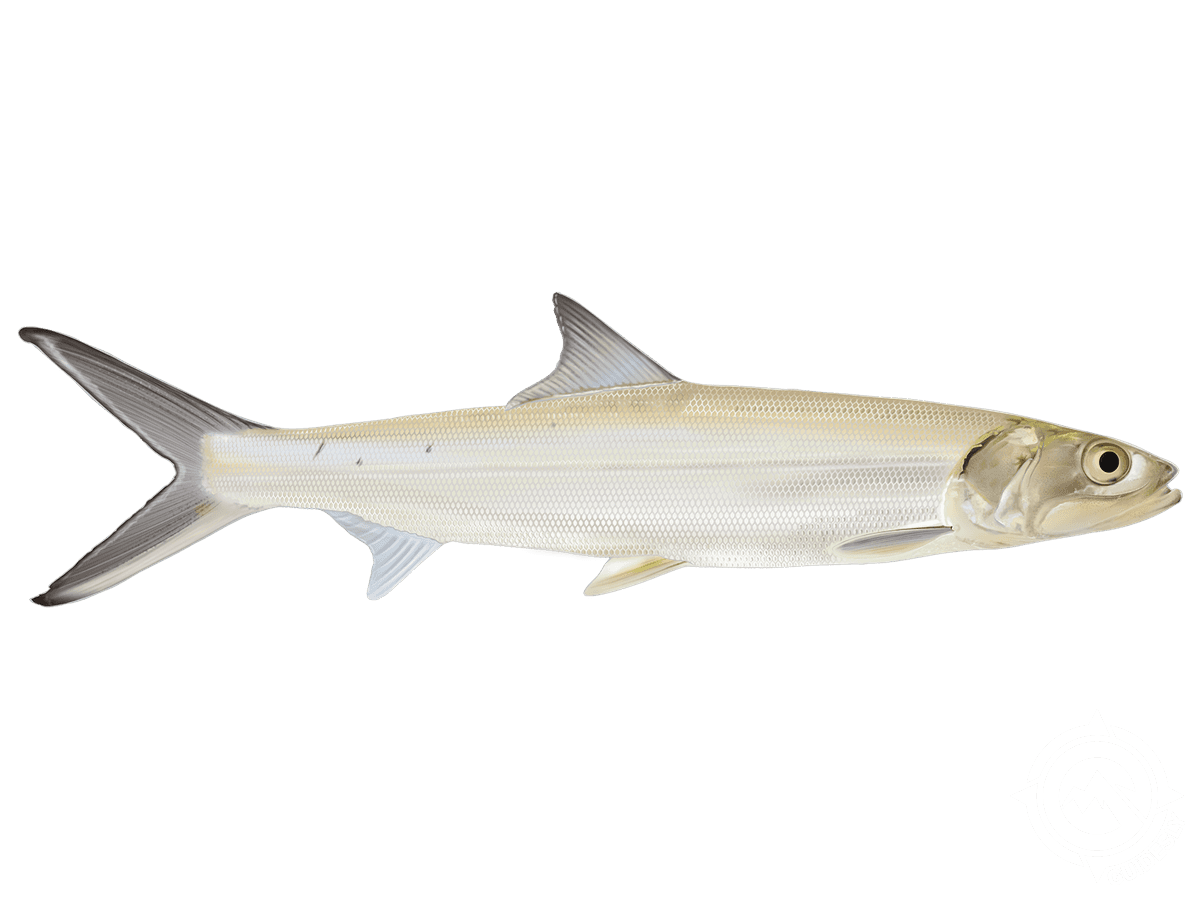
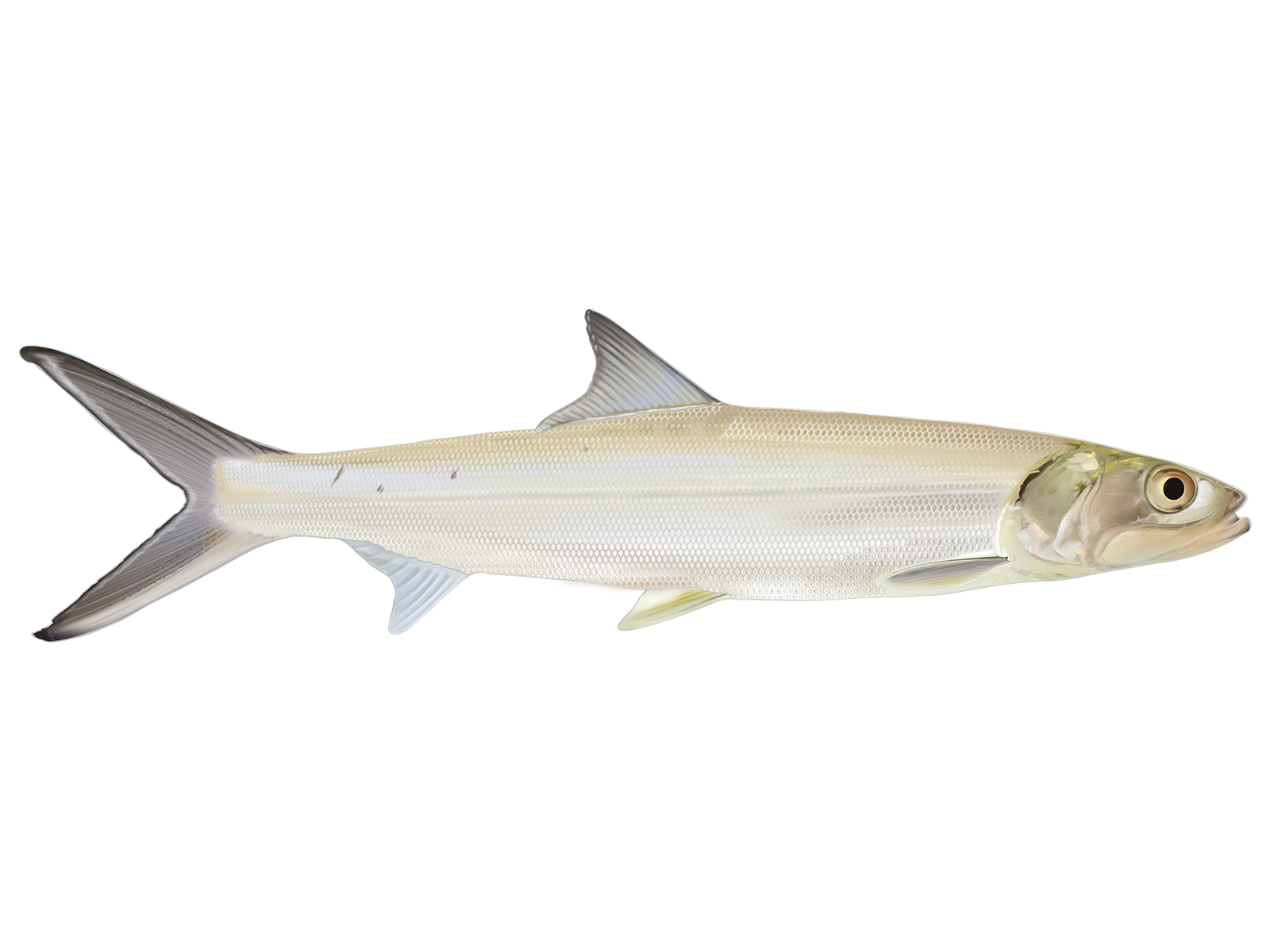 Ladyfish
 Snook
Snook Tarpon
- Join Captain and crew from SuFishNSea for a solid 4-hour inshore fishing adventure around San Juan's productive waters. This intimate trip takes just 3 guests, so you'll get plenty of hands-on attention whether you're new to fishing or looking to sharpen your skills. We'll hit the best local spots where snook, tarpon, and other Puerto Rican favorites hang out. Your captain knows these waters inside and out and will share techniques that actually work. You'll learn to read the water, improve your casting, and hopefully land some great fish while taking in San Juan's beautiful coastline. Perfect mix of learning and action on the water.
Trip Pricing and Availabilities:
San Juan 4hr Inshore Fishing Adventure
Picture this: you're drifting through San Juan's crystal-clear shallows at sunrise, watching your line disappear into the mangroves while a world-class captain whispers tips about where the big snook like to hide. That's exactly what you get on this top-rated 4-hour inshore trip with SuFishNSea. We're talking about serious fishing in some of Puerto Rico's most productive waters, where every cast has the potential to connect you with fish that'll make your Instagram followers jealous. This isn't some crowded party boat situation either – with just 3 guests max, you get the personalized attention that turns good fishing days into legendary ones.
What to Expect on the Water
San Juan's inshore waters are like a fish superhighway, and our captains know every shortcut, back alley, and secret spot where the action happens. You'll spend your morning working the flats around the lagoons, casting into mangrove channels, and exploring grass beds that hold some serious fish. The beauty of inshore fishing here is the variety – one minute you're sight-casting to cruising tarpon in 3 feet of water, the next you're working a topwater plug around structure hoping for that explosive barracuda strike. The scenery doesn't hurt either, with San Juan's historic skyline as your backdrop and plenty of wildlife to keep things interesting between bites. Since this is a 4-hour trip, we hit the prime feeding times when fish are most active, usually early morning or late afternoon depending on tides and season.
Techniques & Tackle Talk
We fish smart here, not hard. Depending on what's biting, you might find yourself throwing live bait under the mangroves, working soft plastics on light jig heads, or burning topwater lures across the flats. The captain provides all the gear – we're talking quality spinning rods matched with reels that can handle anything from scrappy jacks to bulldogging snook. Live shrimp and pilchards are the go-to baits, but don't be surprised if we switch to artificials when fish are being picky or when we want to cover water fast. The key to success in these waters is reading the conditions – wind, tide, time of day, and water clarity all play into where fish position themselves. Your captain will teach you to spot the signs: nervous baitfish, bird activity, current breaks, and structure that holds fish. It's fishing education that'll make you better on every trip afterward.
Species You'll Want to Hook
Snook are the crown jewel of San Juan inshore fishing, and for good reason. These ambush predators love hanging around mangrove roots, bridge pilings, and anywhere they can use structure to their advantage. They're notorious for their gill-rattling jumps and powerful runs toward cover. Best fishing is typically early morning or late evening when they move into the shallows to feed. What makes snook so addictive is their attitude – they'll absolutely crush a well-presented bait, but they're also smart enough to ignore your offering if something's off. Landing one feels like you've outsmarted one of the ocean's craftiest residents.
Tarpon bring the wow factor to any fishing trip. Even juvenile tarpon in the 10-40 pound range will test your skills with spectacular aerial displays that'll have you whooping and hollering. They show up year-round in San Juan's waters but peak during warmer months. These silver kings are like fishing royalty – they're beautiful, powerful, and absolutely electric when hooked. The fight starts with that classic tarpon jump, followed by long runs and head-shaking that'll make your arms burn. Many anglers travel thousands of miles just for a shot at tarpon, and you can catch them right here in San Juan's backyard.
Ladyfish might not win beauty contests, but they make up for it with pure energy. These scrappy fighters are often the first species beginners connect with, and they're perfect for building confidence on the water. They school up in good numbers, so when you find them, you can usually catch several. Despite their modest size, ladyfish jump like mini-tarpon and provide non-stop action that keeps everyone engaged. They're also excellent bait for bigger predators, so don't be surprised if your captain saves a few for later in the trip.
Great Barracuda are the speed demons of the flats. These toothy predators can hit 35+ mph when they decide to eat, creating explosive strikes that'll make your heart skip. They're attracted to shiny, fast-moving lures and have eyesight that's absolutely incredible. Barracuda in the 10-20 pound range are common around San Juan, and they provide blistering runs and acrobatic jumps. Just remember to bring your camera – their prehistoric appearance and menacing teeth make for great photos. Plus, they're actually excellent eating when prepared properly.
Crevalle Jack round out the target species list with their bulldog attitude and surprising strength. Don't let their humble appearance fool you – pound for pound, these fish fight harder than almost anything else in the water. They school up around structure and baitfish, creating feeding frenzies that can make for red-hot action. Jacks are also opportunistic feeders, so they'll hit everything from live bait to topwater plugs. They might not be the prettiest fish in the ocean, but their never-give-up fighting spirit makes them a customer favorite among anglers who appreciate pure determination.
Time to Book Your Spot
This 4-hour inshore trip hits the sweet spot between having enough time to really fish and not overwhelming first-timers with an all-day commitment. You get personalized instruction, prime fishing locations, and shots at some of Puerto Rico's most sought-after species. The intimate 3-person maximum means you're not competing for the captain's attention or waiting in line to use the good rods. Whether you're looking to check
Learn more about the species
Crevalle Jack
Jacks are the bullies of the flats - aggressive, powerful, and always looking for a fight. These golden bruisers average 12-24 inches and 3-5 pounds, but bigger ones lurk in deeper water. They roam grass beds, sandy bays, and around structure, often in schools that push baitfish to the surface. Birds diving is your best clue they're feeding. Year-round action here, but warmer months bring bigger schools. What guests love is the raw power - pound for pound, few fish fight harder with those bulldogging runs. They're decent table fare when bled properly, though most folks enjoy the sport more than the meal. Here's the secret: cast past the school and retrieve fast and aggressive - jacks love the chase and won't hesitate to nail a lure that's moving with attitude.
Great Barracuda
Barracuda are the ocean's torpedoes - sleek, fast, and built for speed. These silver predators typically run 2-4 feet around San Juan, though 6-footers show up occasionally. You'll spot them cruising shallow reefs, grass beds, and drop-offs, often alone and always curious about anything shiny. They're year-round residents but more active in warmer months. What makes cuda fishing exciting is their lightning-fast strikes and initial runs - they'll hit 35 mph in short bursts. The fight's intense but brief since they tire quickly. They're decent eating if properly prepared, though many folks release them. Fair warning: watch those razor teeth when landing one. My go-to trick is using wire leaders and keeping lures moving fast - cuda are visual hunters and love the chase, so don't slow down your retrieve.
Ladyfish
Known as the "poor man's tarpon," ladyfish are scrappy fighters that'll give you a taste of what their bigger cousins can do. These silver torpedoes typically run 12-24 inches and love our shallow bays, canals, and grass flats. They're year-round residents you can catch anytime, making them perfect for beginners or when other species aren't cooperating. What's fun about ladyfish is their acrobatic fights - they'll jump and thrash like crazy once hooked. They're also great live bait for bigger fish like snook if you're looking to upgrade. While not prized for eating, they're abundant and always ready to bite. Here's the trick: use a heavy mono or fluorocarbon leader because these guys have small but sharp teeth that'll cut through light line in a hurry.
Snook
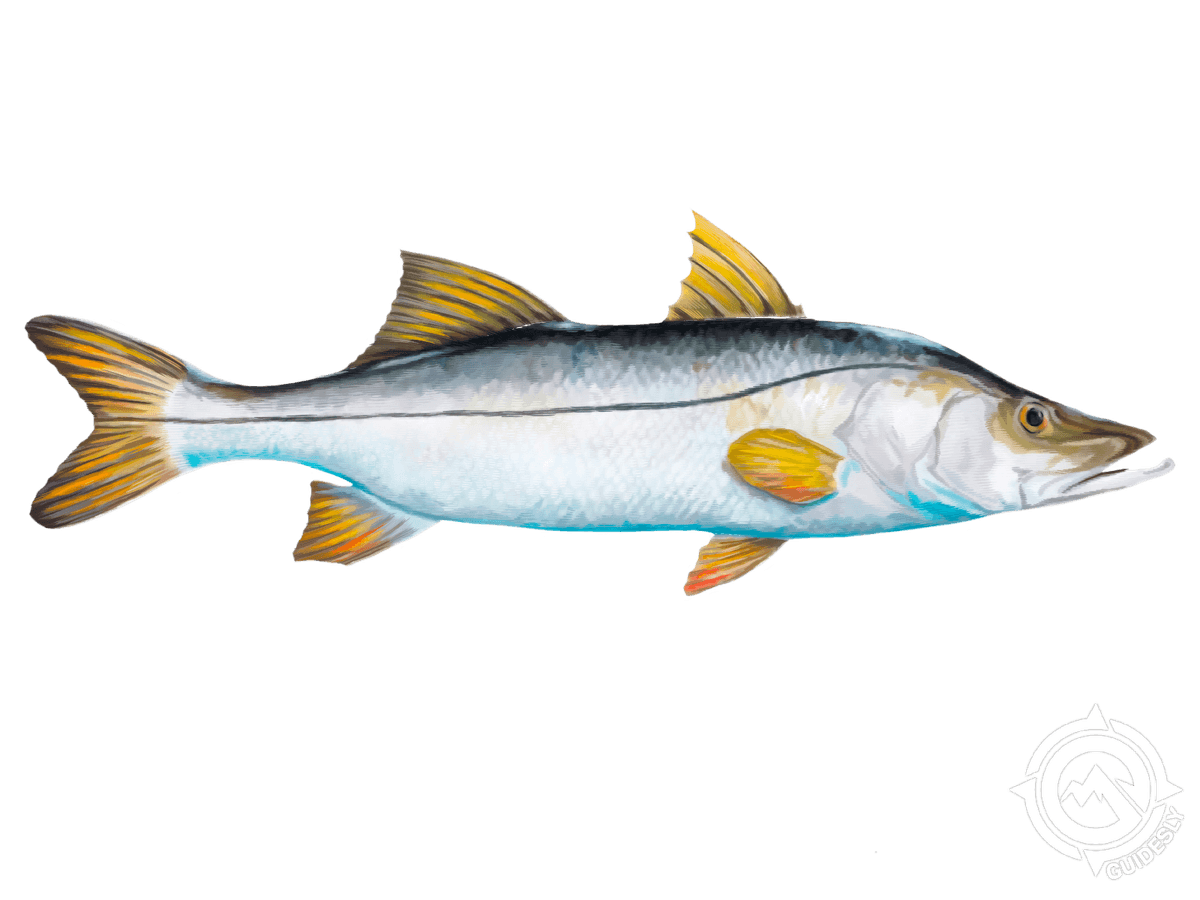
Snook are one of our most popular targets around San Juan's mangroves and shallow waters. These silver beauties with their distinctive black lateral line typically run 1-3 feet, though bigger ones lurk in deeper channels. You'll find them hanging around structure - docks, mangrove edges, creek mouths - anywhere there's cover and current. They're ambush predators that love to hit live bait or lures worked near the surface. Spring through fall gives you the best action when water temps stay warm. What makes snook special is their aggressive strike and strong runs once hooked. They're also excellent table fare with firm, white meat. Pro tip: keep your bait moving near structure but don't rush it - let them commit to the bite before setting the hook hard.
Tarpon
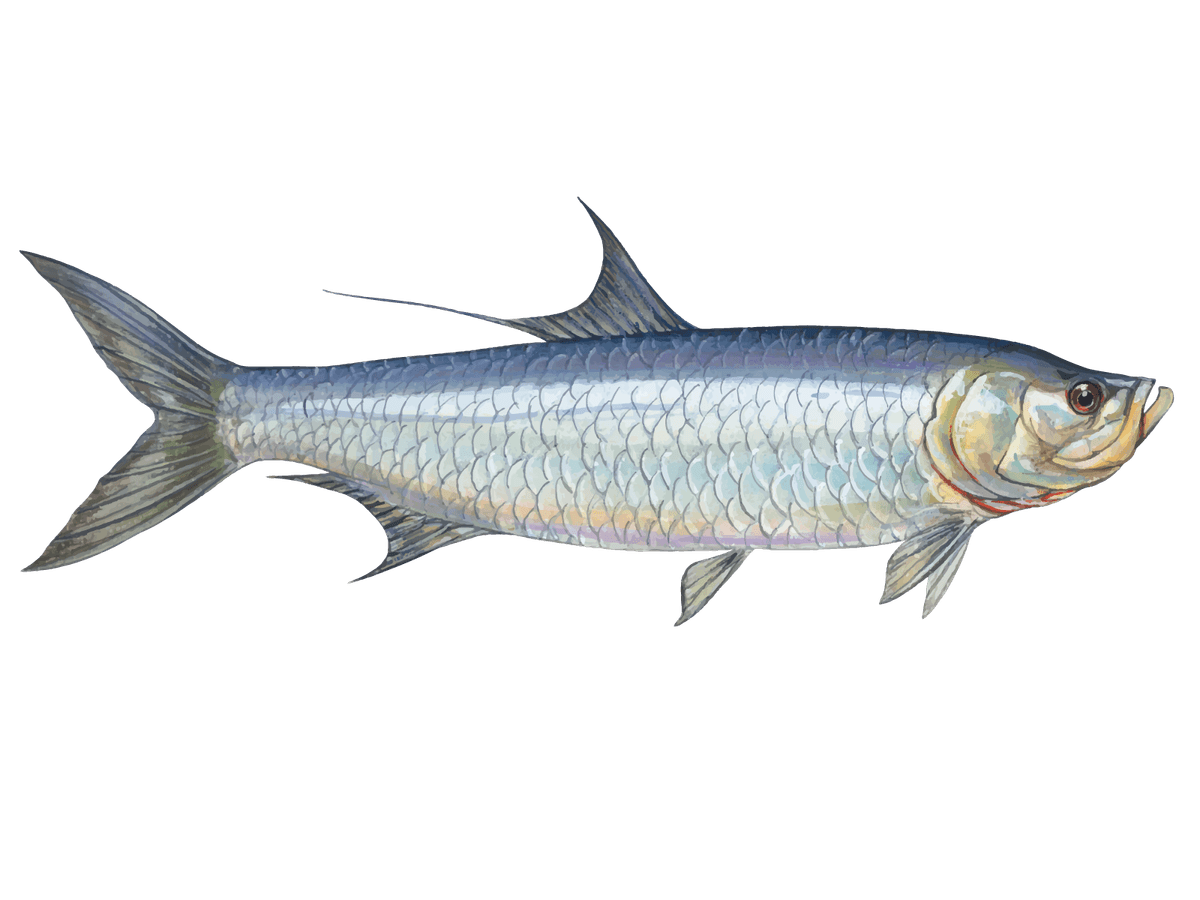
The silver king is what dreams are made of. These giants average 4-6 feet and 80-100 pounds around here, though monsters over 200 exist. Tarpon cruise shallow flats, channels, and harbor areas, often rolling on the surface to gulp air - that's your cue they're around. Best fishing runs May through September when they're most active in our warm waters. What hooks anglers is the raw power and aerial show - they'll jump 10 feet out of the water trying to throw your hook. While they're not great eating due to bony meat, the fight alone makes it worthwhile. Most folks practice catch and release anyway. My advice: when one jumps, bow to the fish by dropping your rod tip toward it - this keeps tension off the line and prevents break-offs during those wild leaps.
About the Center Console Boat
%2F%2Fusers%2F22ec3c8f-3e67-4dd1-a9d1-67fa97781b18%2Fvehicle_picture%2Fimg_1144-mm87ornk.jpeg&w=1200&q=75)
Vehicle Guest Capacity: 6
Manufacturer Name: Evinrude
Maximum Cruising Speed: 50
Number of Engines: 1
Horsepower per Engine: 250