%2Ffit-in%2F250x250%2Fusers%2F22ec3c8f-3e67-4dd1-a9d1-67fa97781b18%2Fimages%2Fa4c51974-f39c-437a-9280-f9e9fe5ae40e.jpg&w=1920&q=100)
/users/22ec3c8f-3e67-4dd1-a9d1-67fa97781b18/ratecard/img_3367-mm86qfsr.jpeg)
%2F300x300%2Fusers%2F22ec3c8f-3e67-4dd1-a9d1-67fa97781b18%2Fratecard%2Fimg_3367-mm86qfsr.jpeg&w=256&q=75)
%2F300x300%2Fusers%2F22ec3c8f-3e67-4dd1-a9d1-67fa97781b18%2Fimages%2Fsan-juan-tarpon-fishing-success-2574.jpeg&w=256&q=75)
%2F300x300%2Fusers%2F22ec3c8f-3e67-4dd1-a9d1-67fa97781b18%2Fimages%2Fmahi-mahi-catch-san-juan-2671.jpeg&w=256&q=75)
%2F300x300%2Fusers%2F22ec3c8f-3e67-4dd1-a9d1-67fa97781b18%2Fimages%2Fbillfish-catch-san-juan-fishing-2390.jpeg&w=256&q=75)
%2F300x300%2Fusers%2F22ec3c8f-3e67-4dd1-a9d1-67fa97781b18%2Fimages%2Fblue-marlin-san-juan-fishing-2676.jpeg&w=256&q=75)
%2F300x300%2Fusers%2F22ec3c8f-3e67-4dd1-a9d1-67fa97781b18%2Fimages%2Fsan-juan-snook-fishing-catch-2716.jpeg&w=256&q=75)
%2F300x300%2Fusers%2F22ec3c8f-3e67-4dd1-a9d1-67fa97781b18%2Fimages%2Fsan-juan-tarpon-close-up-3243.jpeg&w=256&q=75)
%2F300x300%2Fusers%2F22ec3c8f-3e67-4dd1-a9d1-67fa97781b18%2Fimages%2Fatlantic-sailfish-catch-san-juan-2746.jpg&w=256&q=75)
%2F300x300%2Fusers%2F22ec3c8f-3e67-4dd1-a9d1-67fa97781b18%2Fimages%2Ftarpon-catch-san-juan-pr-2663.jpg&w=256&q=75)
%2F300x300%2Fusers%2F22ec3c8f-3e67-4dd1-a9d1-67fa97781b18%2Fimages%2Ftarpon-catch-san-juan-pr-2666.jpg&w=256&q=75)
%2F300x300%2Fusers%2F22ec3c8f-3e67-4dd1-a9d1-67fa97781b18%2Fimages%2Fsan-juan-tarpon-fishing-catch-3874.png&w=256&q=75)
Premium 2hr Inshore Fishing SuFishNSea
 San Juan
What you will be catching:
 Crevalle Jack
 Great Barracuda
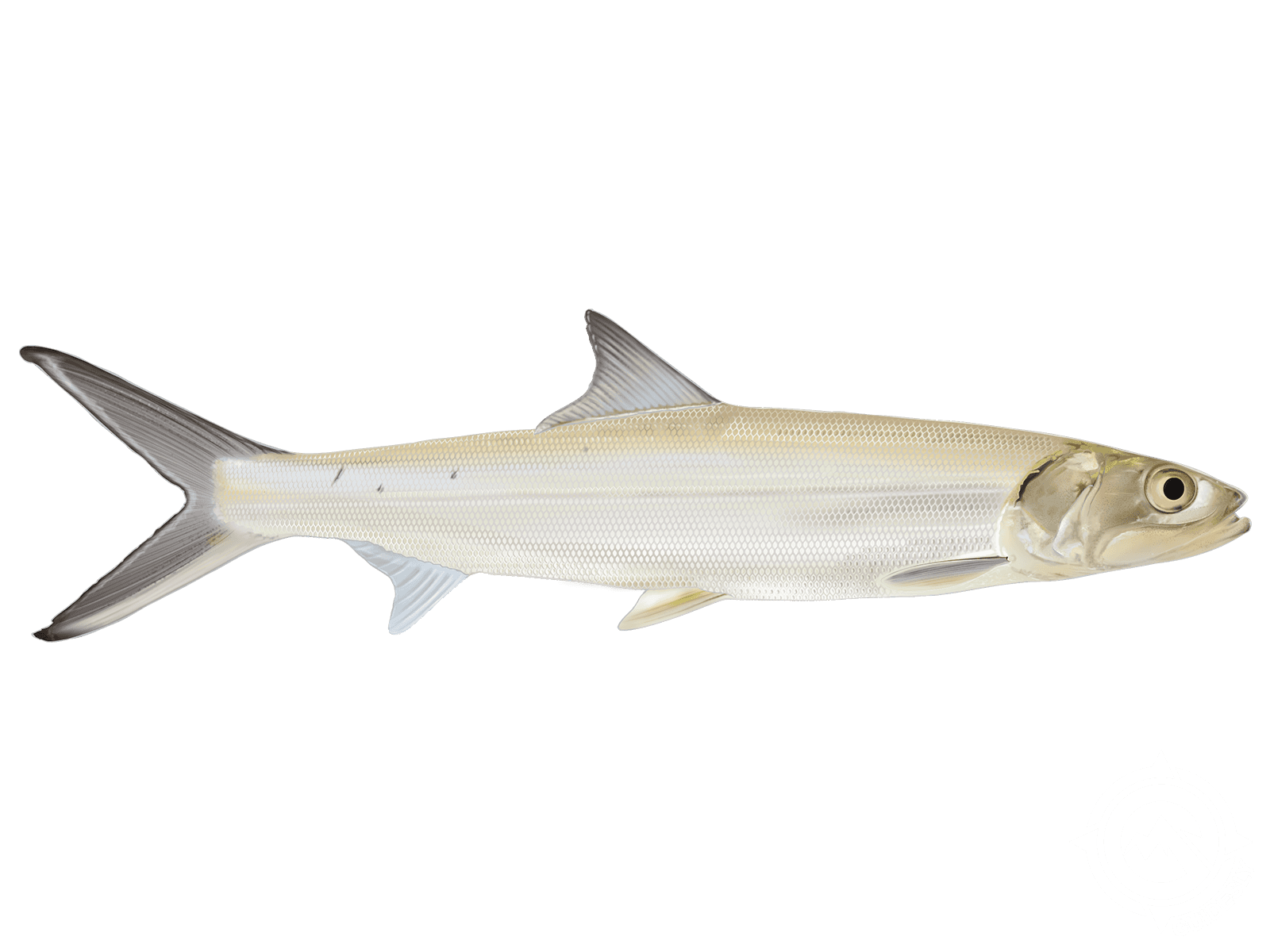
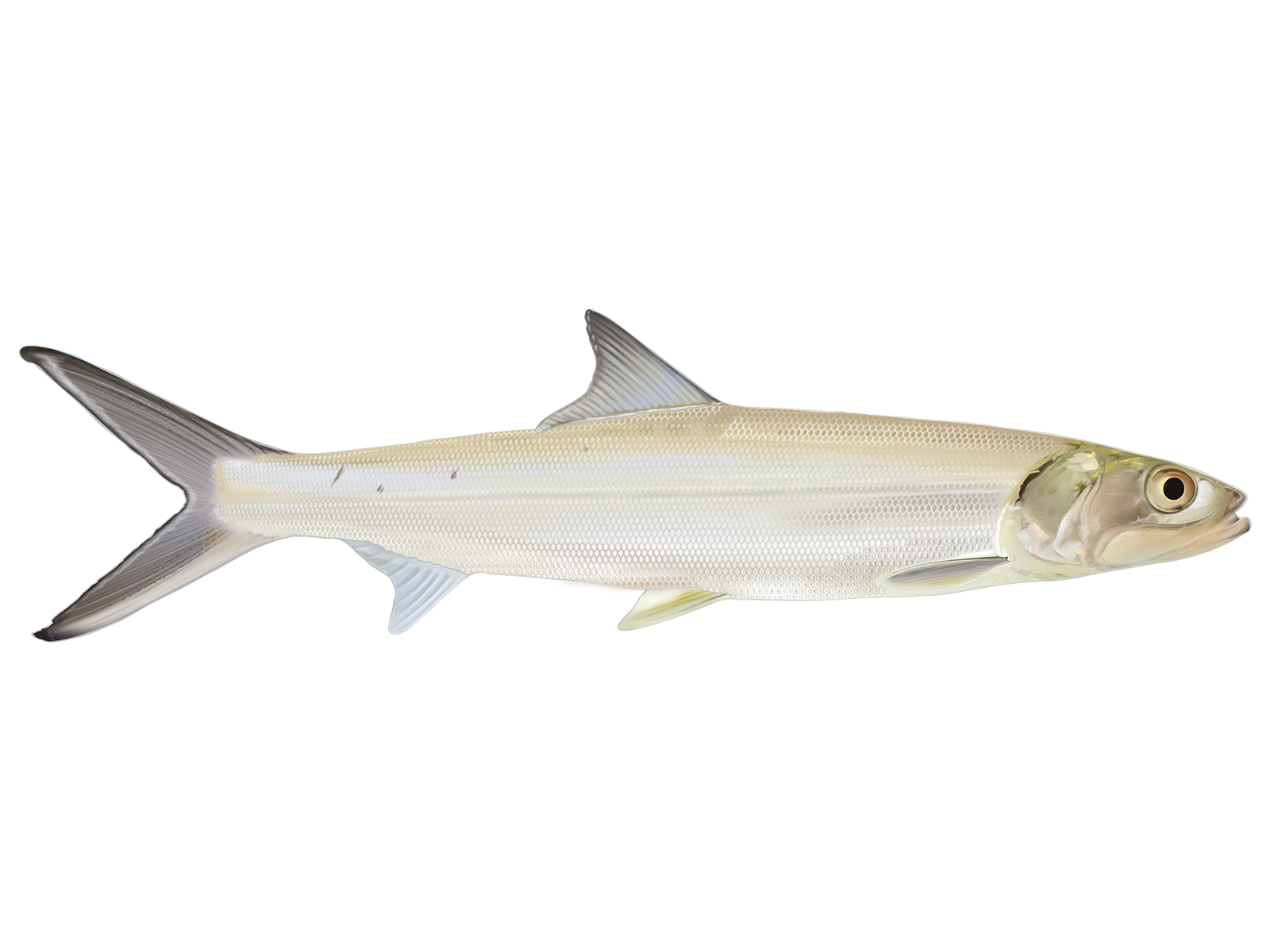 Ladyfish
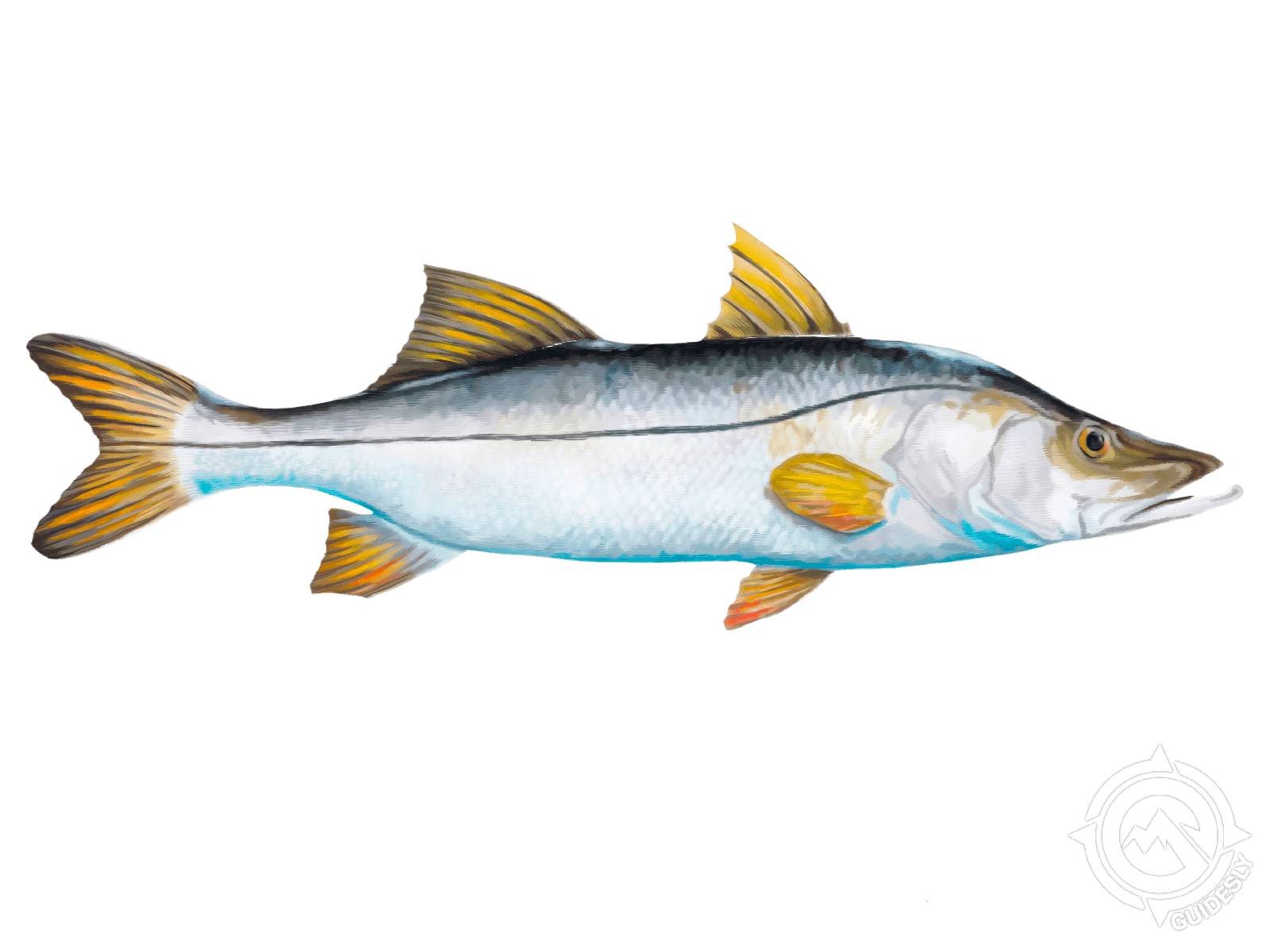
 Snook
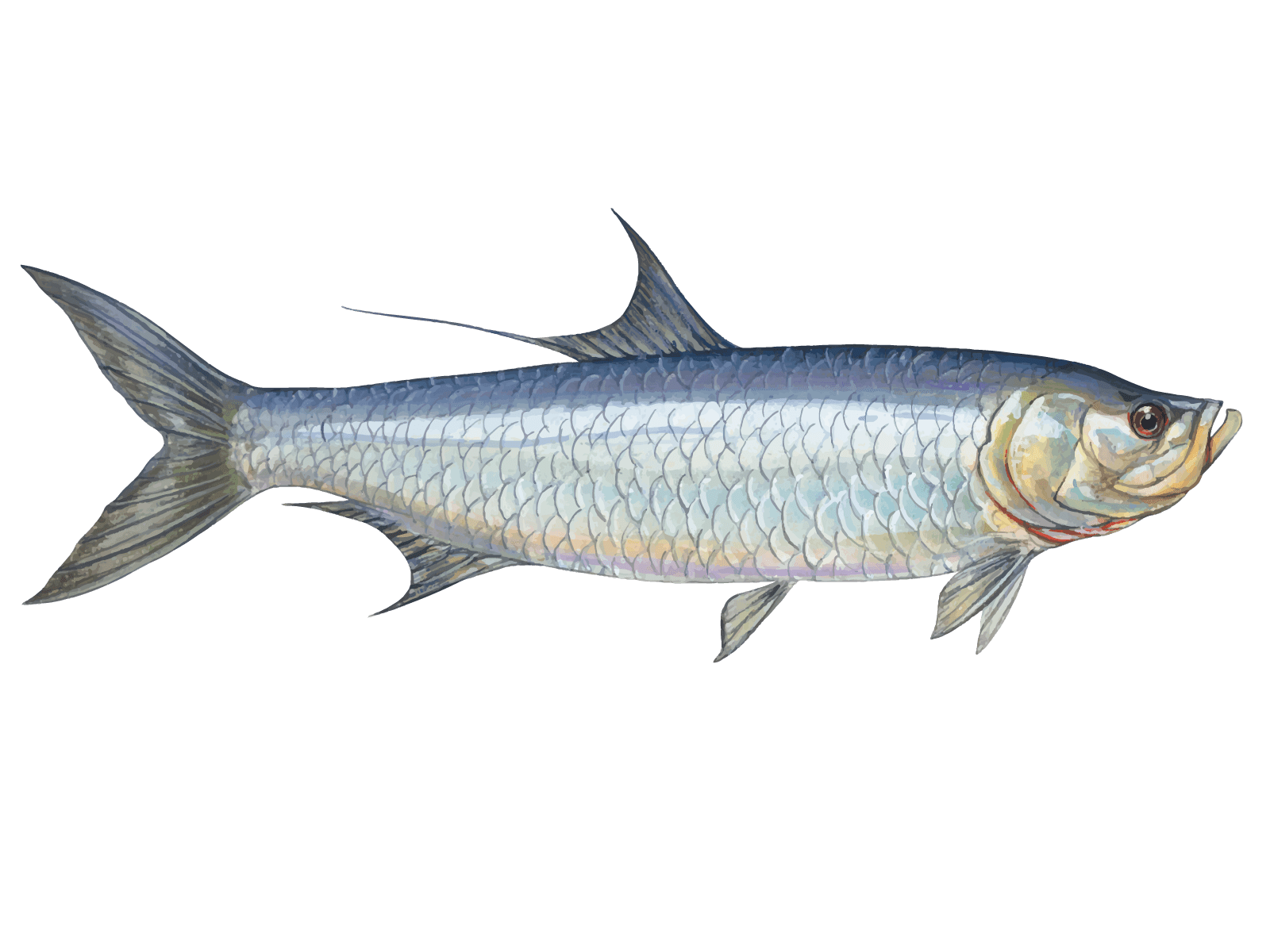
Snook Tarpon
- This 2-hour inshore fishing trip gets you on the water with an experienced captain who knows exactly where the fish are biting. You'll fish with rod and reel using live, dead, or artificial bait
- whatever's working best that day. The captain stays right with you, offering tips and guidance whether you're just starting out or you've been fishing for years. With only 2 guests max, you get personal attention and hands-on help with everything from baiting hooks to landing your catch. It's a perfect way to spend a morning or afternoon on the water, and you'll learn local techniques that work in these waters.
Trip Pricing and Availabilities:
2hr Inshore Fishing Trip with SuFishNSea
Looking for a quick fishing fix that packs a punch? This 2-hour inshore trip with SuFishNSea is exactly what you need. Perfect for busy schedules or first-time anglers who want to test the waters, this compact adventure delivers all the excitement of inshore fishing without eating up your whole day. Our captain knows these waters like the back of his hand and will put you right where the action is. Whether you're hoping to check "catch a tarpon" off your bucket list or just want to feel that rod bend with a solid fish, we've got you covered. The intimate 2-guest capacity means you get personalized attention and won't be competing with a crowded boat for the best spots.
What to Expect on the Water
From the moment you step aboard, you'll feel the laid-back vibe that makes inshore fishing so addictive. We're not talking about heading miles offshore – instead, we'll work the productive shallow waters where fish come to feed and hunt. The beauty of inshore fishing is the variety. One cast might bring up a lightning-fast ladyfish, while the next could hook into a tarpon that'll test every ounce of your strength. Our captain will read the water conditions, tide, and weather to put you in the best position for success. You'll learn to spot the signs that fish are around – birds working the surface, baitfish jumping, or that telltale swirl that means something big just moved through. The relaxed pace gives you time to actually enjoy the experience instead of rushing from spot to spot.
Rod, Reel, and Real Results
We keep the gear simple but effective – quality rods and reels that can handle whatever swims up to your bait. You'll fish with a mix of live, dead, and artificial baits depending on what the fish are hitting that day. Live shrimp and pilchards are inshore classics that rarely disappoint, while cut bait can draw in bigger predators looking for an easy meal. When the bite gets tough, we'll switch to artificials – soft plastics that mimic wounded baitfish or topwater plugs that create commotion on the surface. The captain will show you the right techniques for each bait type, from the slow twitch that makes a soft plastic look alive to the aggressive pop-and-pause retrieve that drives fish crazy. You're not just fishing – you're learning skills that'll make you a better angler for years to come.
Species You'll Want to Hook
Snook are the crown jewel of inshore fishing and for good reason. These ambush predators love to hide around structure – docks, mangroves, bridge pilings – waiting to slam anything that looks like food. They're incredibly strong fighters that will try every trick in the book to throw your hook, including their signature gill-rattling head shake and powerful runs toward cover. The best part about snook fishing is the visual element. You'll often see them lurking in the shadows before you even cast, which adds a whole new level of excitement. They're most active during dawn and dusk, but a skilled captain can find them feeding throughout the day in the right spots.
Tarpon fishing is like hooking into a silver submarine with an attitude problem. These prehistoric giants can range from 20-pound juveniles to monsters over 100 pounds, and even the smaller ones will give you a fight you'll never forget. When a tarpon hits your bait, time seems to slow down for a split second before all hell breaks loose. They'll launch themselves clear out of the water in spectacular jumps, trying to shake your hook with aerial acrobatics that would make a gymnast jealous. The fight can last anywhere from 10 minutes to over an hour, depending on the size of the fish and how much fight it has left. Tarpon are catch-and-release fish, which makes the experience even more special – you're not fishing for dinner, you're fishing for the pure adrenaline rush.
Ladyfish might not win any beauty contests, but they make up for it with pure energy. These silver bullets are like the hyperactive cousins of the fish world – they hit hard, jump repeatedly, and never give up without a fight. They're perfect for beginners because they're aggressive feeders that aren't too picky about bait, but they're also fun for experienced anglers who appreciate a scrappy fish. You'll often find ladyfish in schools, which means when you hook one, there are usually more around. They're great on light tackle and will jump multiple times during the fight, putting on quite a show.
Great Barracuda are the speed demons of the flats. These torpedo-shaped predators can reach speeds of up to 35 mph and have teeth that would make a shark jealous. They're visual hunters that rely on their incredible eyesight to track down prey, which makes them perfect targets for artificial lures. A fast-moving spoon or diving plug can trigger explosive strikes that happen so fast you'll barely have time to react. Barracuda fights are typically short but intense – they'll make a screaming run or two before tiring out. The key is keeping steady pressure and watching out for those razor-sharp teeth when bringing them to the boat.
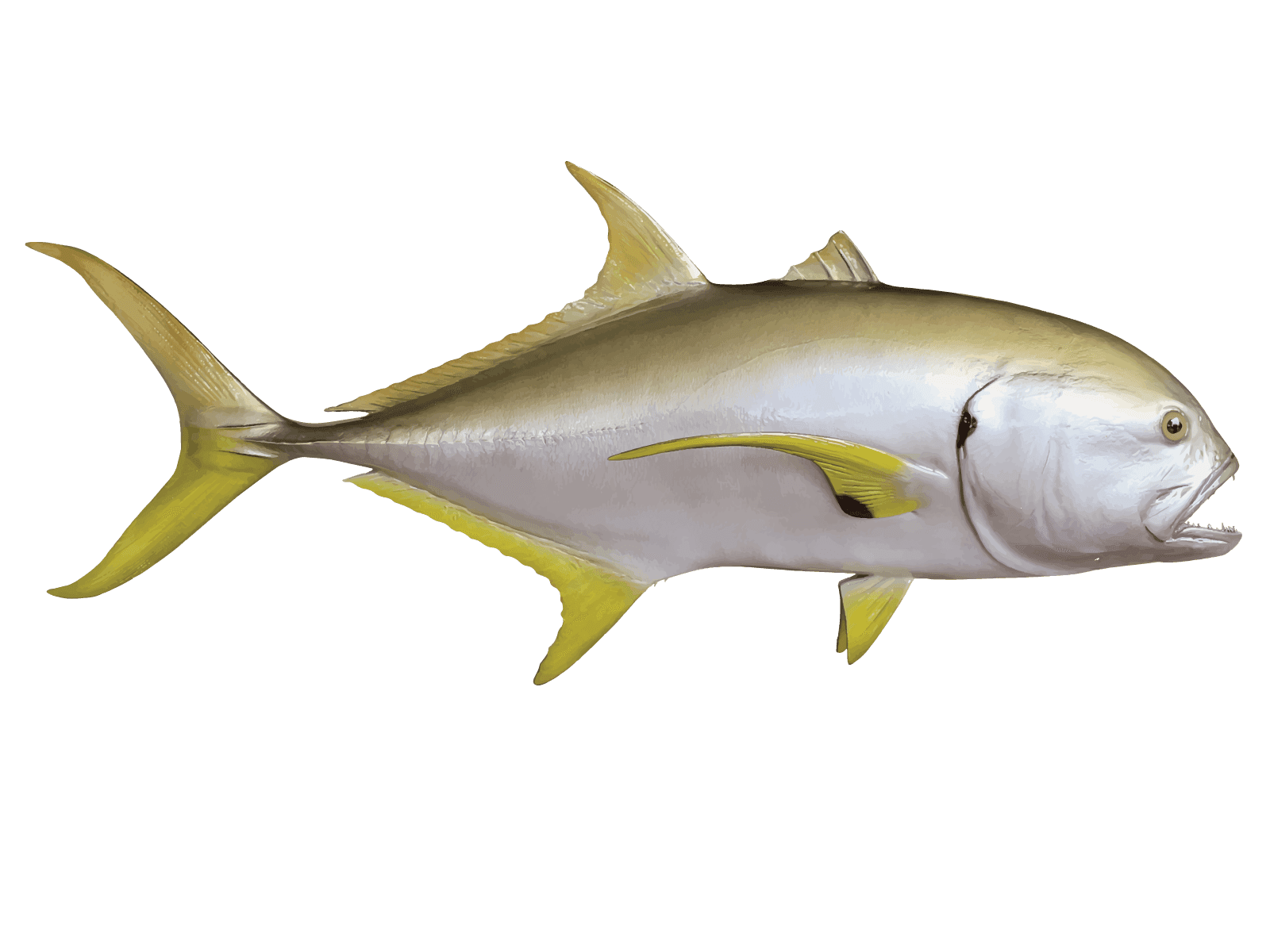
Crevalle Jack are the bulldogs of the inshore world. What they lack in looks, they make up for in raw power and determination. These yellow-tinged brawlers will test your tackle and your endurance with their bulldogging runs and refusal to give up. They're schooling fish, so when you find one, you've usually found them all. Jacks are notorious for their ability to find structure underwater and use it to their advantage, often wrapping your line around anything they can find. They're excellent table fare when prepared properly, and their fighting ability makes them a favorite among anglers who prefer strength over speed.
Time to Book Your Spot
This 2-hour inshore trip offers the perfect taste of what makes fishing these waters so special
Learn more about the animals
Crevalle Jack
Crevalle jacks are the bulldogs of inshore fishing - pure muscle and attitude. Most average 3-5 pounds and 12-24 inches, but they can reach 60 pounds. They school up in shallow bays, around structure, and over grass flats, pushing baitfish to the surface. Watch for diving birds - that's your best sign of feeding jacks below. They're year-round residents in warmer waters with peak action during warmer months. What guests love is their bulldog fight and willingness to hit lures aggressively. They smell like watermelon when feeding, which is pretty unique. Fast retrieves with spoons, jigs, or topwater plugs work best. Pro tip: cast past the school and retrieve fast through it - they love the chase and competition.
Great Barracuda
Barracuda are the ocean's speed demons, hitting 35 mph in short bursts with their torpedo-shaped bodies. Most run 2-4 feet, but big ones reach 6 feet and over 100 pounds. Look for them around coral reefs, seagrass beds, and mangroves in shallow to moderate depths. They're curious fish that hunt by sight, often following shiny lures or approaching the boat. Spring spawning season brings good action, but they're catchable year-round in warmer waters. What makes them fun is their aggressive strike and initial run, though they tire quickly. They're attracted to fast-moving baits and flashy spoons. Here's my tip: use a wire leader - those razor-sharp teeth will cut through mono instantly. Keep your hands clear when landing them.
Ladyfish
Known as the "poor man's tarpon," ladyfish are perfect for getting your arms warmed up. They typically run 1-2 feet and a few pounds, but their silver bodies and acrobatic jumps make them scrappy fighters. You'll find them in shallow bays, estuaries, canals, and around piers year-round. They tolerate different salinity levels and feed aggressively on small baitfish and crustaceans. While some call them "trash fish," they're actually great sport on light tackle and excellent cut bait for bigger species like snook. They travel in schools and hit hard on jigs, shrimp, and small lures. Watch your fingers - they have small but sharp teeth. Use a heavy mono leader since they thrash around trying to escape.
Snook
Snook are one of the smartest fish you'll target on these trips. They average 1-3 feet but can reach over 4 feet, with that signature black lateral line running down their golden sides. These ambush predators love structure - think mangroves, docks, bridges, and creek mouths in shallow water up to 60 feet. They move between salt and fresh water easily, which keeps them unpredictable. May through September is prime time when they spawn around new and full moons. What makes snook special is their explosive strike and strong runs when hooked. They're also excellent table fare. Here's the trick: they're temperature sensitive, so focus on deeper holes during cold fronts and shallow flats when it warms up.
Tarpon
The "silver king" is what fishing dreams are made of. Most tarpon we see run 80-100 pounds and 4 feet, but they can hit 8 feet and 280 pounds. These prehistoric fish live in shallow coastal waters, estuaries, and around structure like bridges and channels. They migrate seasonally, with late spring through summer being peak season when they spawn offshore during full and new moons. What guests love most is watching a 6-foot tarpon launch 10 feet out of the water - pure adrenaline. They can swim 35 mph and jump repeatedly, testing every bit of your skill and tackle. We practice catch-and-release since they're bony and not great eating. Pro tip: bow to the king when they jump to give slack and prevent them from throwing the hook.
About the Center Console Boat
%2F%2Fusers%2F22ec3c8f-3e67-4dd1-a9d1-67fa97781b18%2Fvehicle_picture%2Fimg_1144-mm87ornk.jpeg&w=1920&q=75)
Vehicle Guest Capacity: 6
Manufacturer Name: Evinrude
Maximum Cruising Speed: 50
Number of Engines: 1
Horsepower per Engine: 250