%2Ffit-in%2F250x250%2Fusers%2F22ec3c8f-3e67-4dd1-a9d1-67fa97781b18%2Fimages%2Fa14c5e2f-b060-43c4-ab0a-8a14a6c9d447.jpg&w=1200&q=100)
/users/22ec3c8f-3e67-4dd1-a9d1-67fa97781b18/ratecard/img_1750-mm8a1hi4.jpeg)
%2F300x300%2Fusers%2F22ec3c8f-3e67-4dd1-a9d1-67fa97781b18%2Fratecard%2Fimg_1750-mm8a1hi4.jpeg&w=256&q=75)
%2F300x300%2Fusers%2F22ec3c8f-3e67-4dd1-a9d1-67fa97781b18%2Fimages%2Fsan-juan-tarpon-fishing-success-2574.jpeg&w=256&q=75)
%2F300x300%2Fusers%2F22ec3c8f-3e67-4dd1-a9d1-67fa97781b18%2Fimages%2Fmahi-mahi-catch-san-juan-2671.jpeg&w=256&q=75)
%2F300x300%2Fusers%2F22ec3c8f-3e67-4dd1-a9d1-67fa97781b18%2Fimages%2Fbillfish-catch-san-juan-fishing-2390.jpeg&w=256&q=75)
%2F300x300%2Fusers%2F22ec3c8f-3e67-4dd1-a9d1-67fa97781b18%2Fimages%2Fblue-marlin-san-juan-fishing-2676.jpeg&w=256&q=75)
%2F300x300%2Fusers%2F22ec3c8f-3e67-4dd1-a9d1-67fa97781b18%2Fimages%2Fsan-juan-snook-fishing-catch-2716.jpeg&w=256&q=75)
%2F300x300%2Fusers%2F22ec3c8f-3e67-4dd1-a9d1-67fa97781b18%2Fimages%2Fsan-juan-tarpon-close-up-3243.jpeg&w=256&q=75)
%2F300x300%2Fusers%2F22ec3c8f-3e67-4dd1-a9d1-67fa97781b18%2Fimages%2Fatlantic-sailfish-catch-san-juan-2746.jpg&w=256&q=75)
%2F300x300%2Fusers%2F22ec3c8f-3e67-4dd1-a9d1-67fa97781b18%2Fimages%2Ftarpon-catch-san-juan-pr-2663.jpg&w=256&q=75)
%2F300x300%2Fusers%2F22ec3c8f-3e67-4dd1-a9d1-67fa97781b18%2Fimages%2Ftarpon-catch-san-juan-pr-2666.jpg&w=256&q=75)
%2F300x300%2Fusers%2F22ec3c8f-3e67-4dd1-a9d1-67fa97781b18%2Fimages%2Fsan-juan-tarpon-fishing-catch-3874.png&w=256&q=75)
6hr Inshore Fishing San Juan SuFishNSea
 San Juan
What you will be catching:
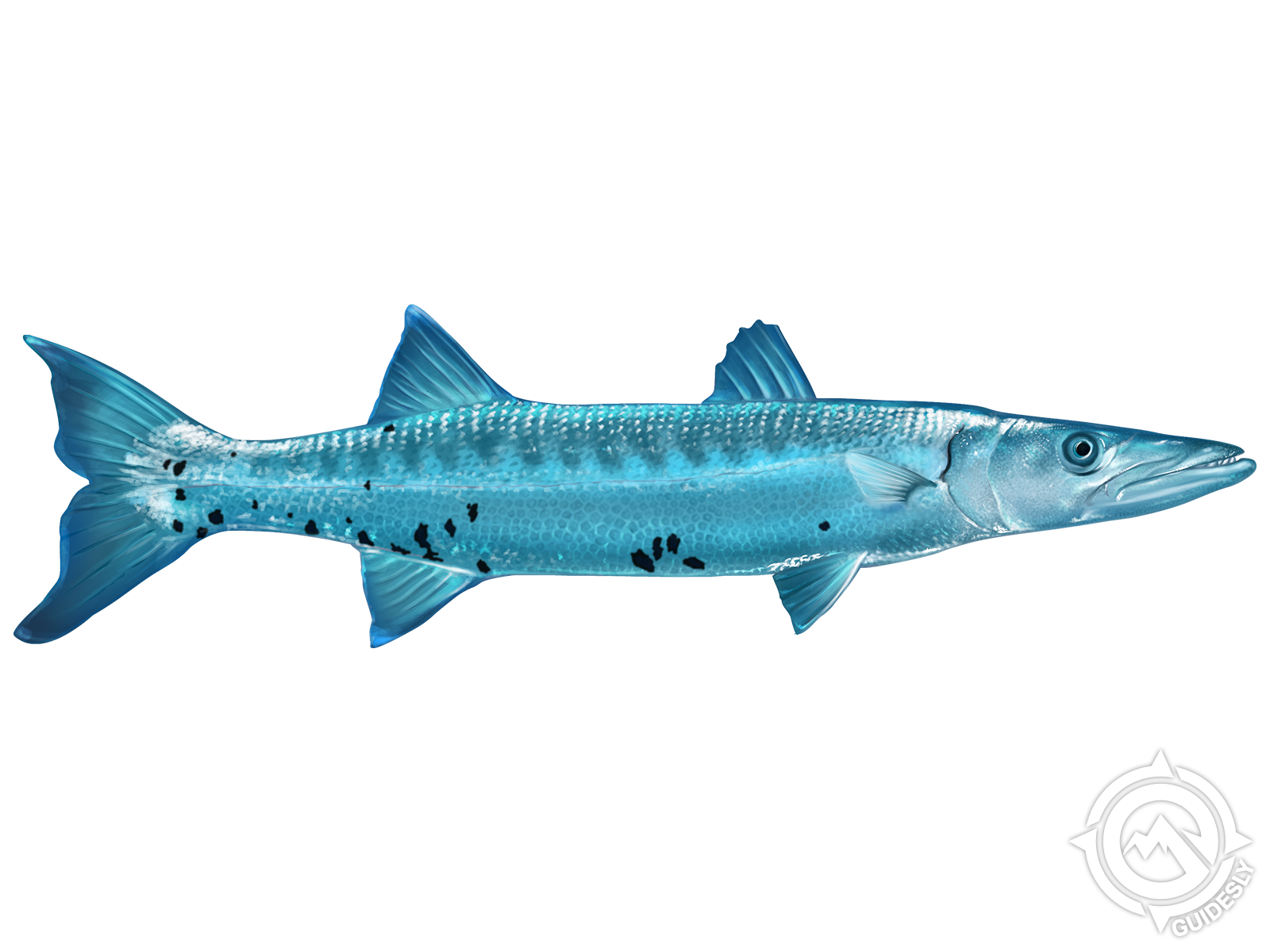 Barracuda
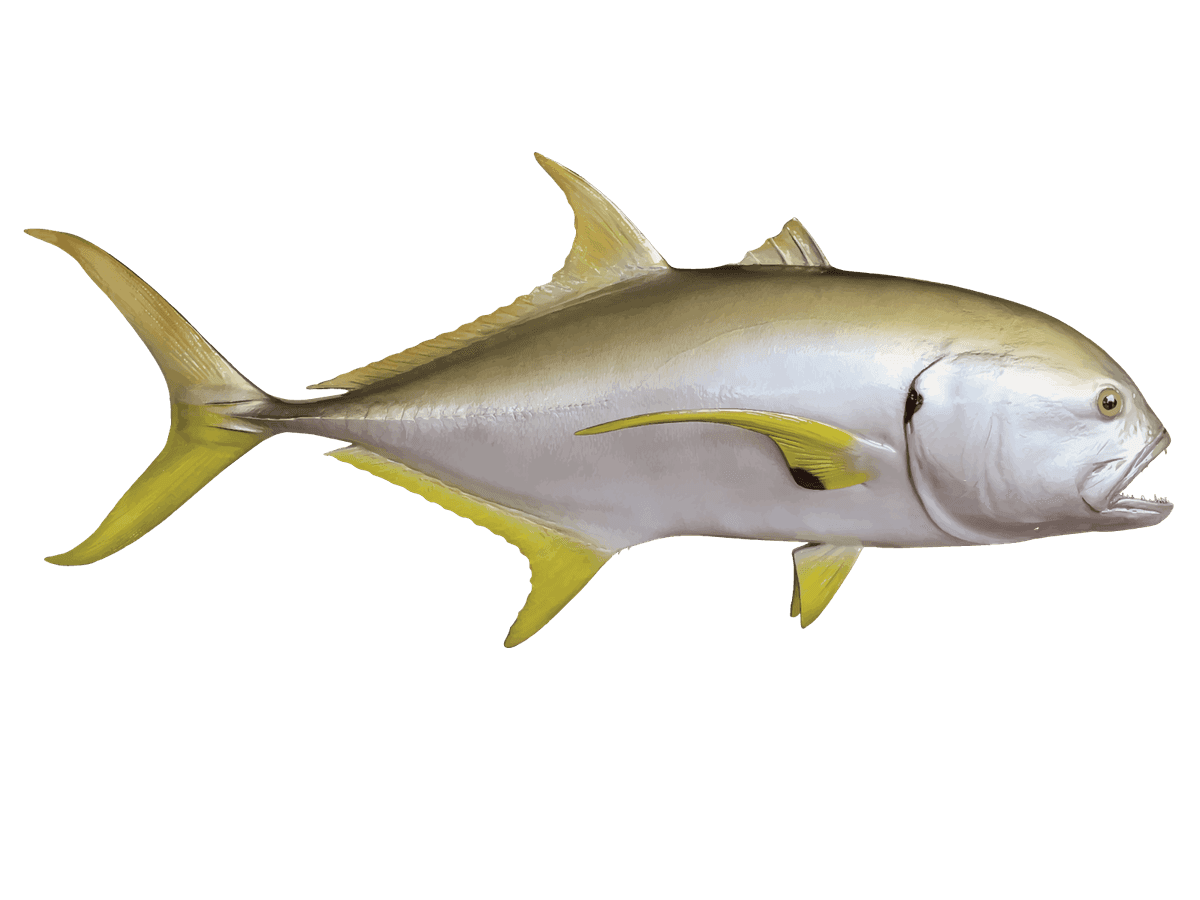
 Crevalle Jack
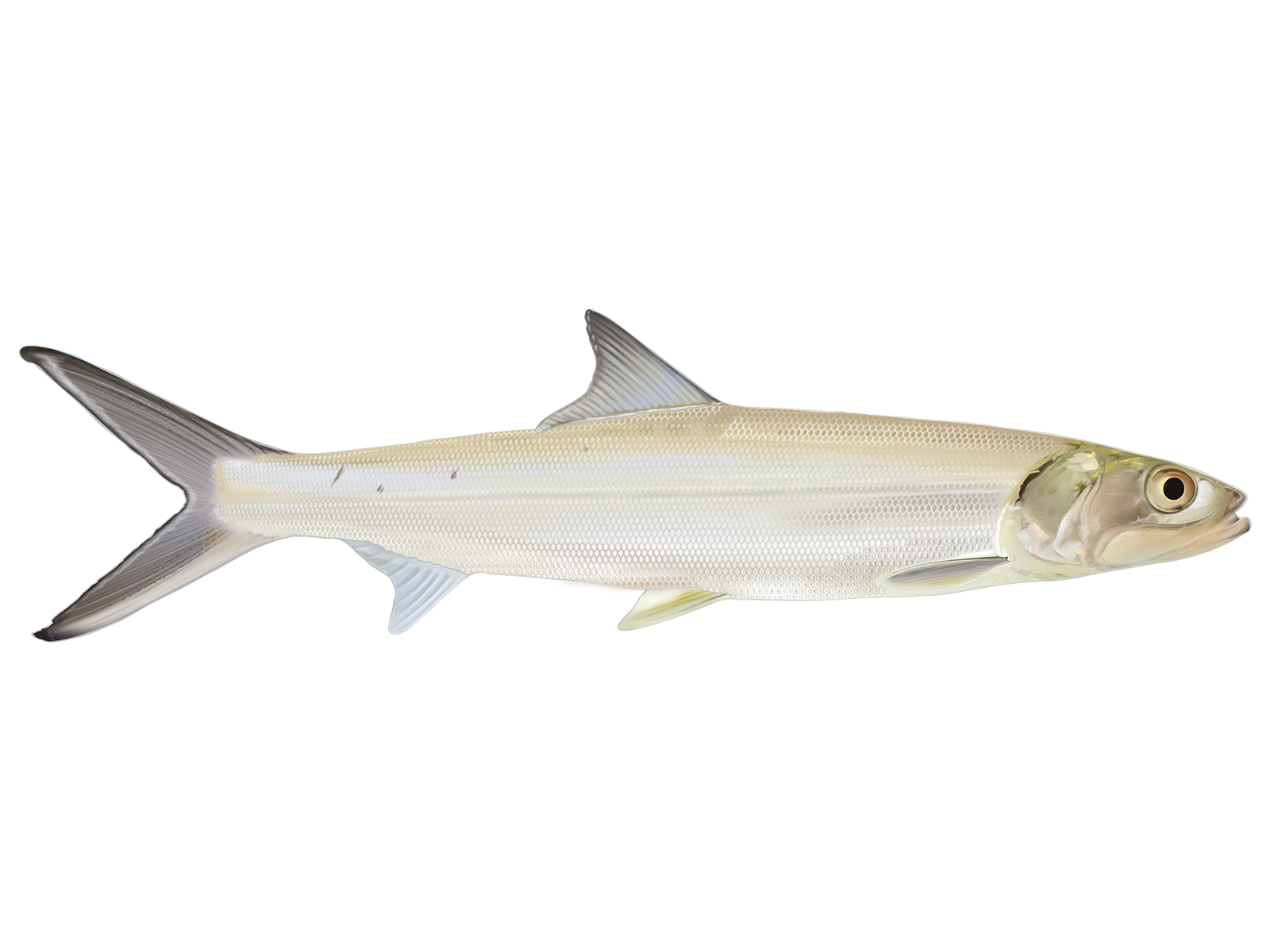 Ladyfish
 Snook
Snook Tarpon
- Join Captain and crew from SuFishNSea for a solid 6-hour inshore fishing adventure around San Juan's productive waters. You'll hit the best local spots where snook, tarpon, and other coastal species hang out, with plenty of hands-on guidance whether you're new to the rod or been fishing for years. The boat takes just 3 guests, so you get personalized attention and room to fish comfortably. You'll pick up new techniques, learn to read the water, and enjoy some great ocean scenery between bites. This is real fishing in prime Caribbean waters
- the kind of trip that connects you with San Juan's fishing culture.
Trip Pricing and Availabilities:
6hr Inshore Fishing Trip in San Juan
Looking for a solid day on the water around San Juan? This 6-hour inshore trip puts you right where the action is, working the flats, mangroves, and backcountry areas that hold some of Puerto Rico's best gamefish. We keep groups small at just 3 anglers max, so you get plenty of rod time and personal attention from your captain. You'll be casting light tackle in shallow water, sight fishing when conditions are right, and learning the kind of local knowledge that separates the pros from the weekend warriors. Pack your own snacks and drinks – we're focused on putting you on fish, not serving lunch.
What to Expect on the Water
Your day starts early when we meet at the marina and head out to prime inshore spots around San Juan. We're talking shallow water fishing – usually 2 to 8 feet deep – where you can actually see the structure, grass beds, and drop-offs that hold fish. The captain will position the boat using the trolling motor to stay quiet, then it's all about accurate casting and reading the water. Some days we'll be sight fishing to cruising tarpon or snook, other times we're working lures along mangrove edges or over grass flats. The beauty of inshore fishing here is the variety – you might be throwing topwater plugs at dawn, switching to soft plastics by mid-morning, then finishing the day with live bait. Weather plays a big role, so your captain will adjust the game plan based on wind, tide, and what the fish are doing. Expect to move spots several times as we follow the bite and work different structure throughout the trip.
Tackle and Techniques
We fish light tackle exclusively – think 15 to 20-pound test spinning gear that lets you feel every headshake and run. Your captain provides all rods, reels, and terminal tackle, but feel free to bring your own setup if you've got preferences. Lure selection depends on conditions, but count on throwing DOA shrimp, paddle tails, topwater plugs like Spook Jr's, and live bait when we can get it. Technique-wise, you'll learn to work lures slowly and methodically – this isn't the chuck-and-wind approach that works offshore. We're talking about precise casts to structure, letting baits sink into pockets, and working them back with subtle twitches and pauses. Your guide will teach you to read the water, spot fish movement, and understand how tide and current affect where gamefish position themselves. The trolling motor keeps us positioned perfectly, so you can focus on presentation rather than fighting wind and current. Live bait fishing involves anchoring or drifting over productive bottom, while artificial lures mean staying mobile and covering water until we locate active fish.
Target Species You'll Want to Hook
Snook are the crown jewel of San Juan inshore fishing, and for good reason. These ambush predators love structure – docks, mangrove roots, bridge pilings – anywhere they can hide and attack baitfish. They hit hard and immediately try to wrap you up in whatever cover is nearby, so you need to horse them out fast. Best action typically comes during moving tides, especially around dawn and dusk when they're actively feeding. What makes snook special is their explosive strike and the way they'll absolutely destroy topwater plugs when conditions are right. They're also incredibly structure-oriented, so your captain's local knowledge of specific spots becomes crucial.
Tarpon turn every angler into a believer once they hook their first one. These silver kings range from juvenile fish around 10 to 20 pounds up to monsters pushing 100 pounds or more. They're famous for their acrobatic jumps – sometimes clearing the water completely multiple times during a fight. Tarpon fishing peaks during warmer months when schools move into the shallows to feed and spawn. What makes them so addictive is the visual aspect – you'll often see them rolling on the surface or cruising in shallow water before you cast. The fight can last 30 minutes or more on light tackle, and even after you think you've got them beat, they'll make another scorching run that screams line off your reel.
Barracuda are speed demons that provide instant gratification when other species are being finicky. These toothy predators will absolutely crush fast-moving lures, often hitting them so hard they nearly pull the rod out of your hands. They're found around reef edges and grass flats, typically in 4 to 10 feet of water. What's great about barracuda is their willingness to bite – when snook and tarpon are being picky, cuda will usually save the day. They fight with blistering runs and sharp directional changes, and their razor-sharp teeth mean you need a steel leader. They're also excellent table fare when prepared right, despite what some people think.
Ladyfish might not win any beauty contests, but they punch way above their weight class when it comes to fighting ability. These scrappy fish are incredibly acrobatic, jumping repeatedly and making long runs that seem impossible for their size. They're often found in schools, so when you locate one, you'll usually catch several. Ladyfish are perfect for beginners because they bite readily and provide plenty of action, but they'll challenge experienced anglers too with their never-give-up attitude. They're most active during moving tides and low-light periods, and they'll hit both live bait and artificials with equal enthusiasm.
Crevalle Jack are the bulldogs of the inshore scene – pure muscle and attitude wrapped in a streamlined package. These fish fight harder pound-for-pound than almost anything else in the water, making long, powerful runs that will test your drag settings and your arms. They're often found in schools around structure or chasing baitfish in open water. What makes jacks special is their aggressive feeding behavior – they'll often compete with each other to hit your lure first. They're not pretty fish, but the fight more than makes up for their looks. Jacks
Learn more about the species
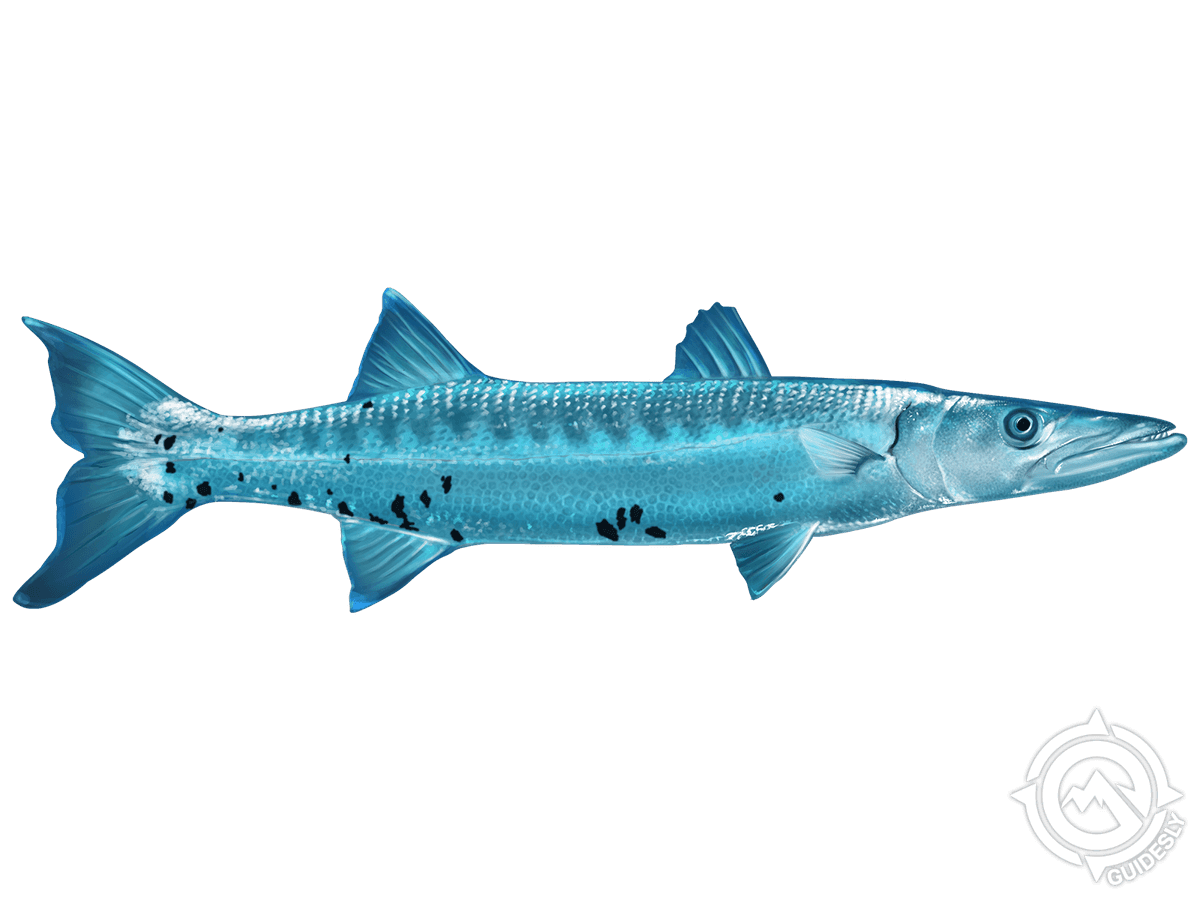
Barracuda
These torpedo-shaped predators are some of the most aggressive fish you'll encounter around San Juan. Most run 2-4 feet long with razor-sharp teeth and attitude to match. They hunt the flats, coral reefs, and drop-offs where they can ambush smaller fish. Barracuda are year-round residents here, but they're most active during the warmer months. What makes them fun is their speed - they can hit 35 mph and will absolutely destroy topwater lures. The strike is violent and the fight is fast and furious. They're decent eating if you want to keep a smaller one. Here's what I always tell guests: use a wire leader or heavy fluorocarbon - those teeth will slice through regular line like butter. Cast shiny spoons or fast-moving plugs and hold on tight.
Crevalle Jack
These brassy bulldogs are pure muscle and attitude packed into a 12-24 inch frame. Most weigh 3-8 pounds, but the big ones can push 20+ pounds and will test your drag system. Jacks roam our flats, reefs, and channels in aggressive schools, especially during warmer months. They're the ocean's bullies - fast, powerful, and always looking for a fight. What guests love is the raw power and that distinctive head-shaking battle they put up. They're decent eating when smaller. The key to finding jacks is watching for diving birds - they push baitfish to the surface while birds attack from above. Cast silver spoons or fast-moving lures into the chaos and retrieve quickly. Fair warning: you might smell watermelon when schools are feeding nearby.
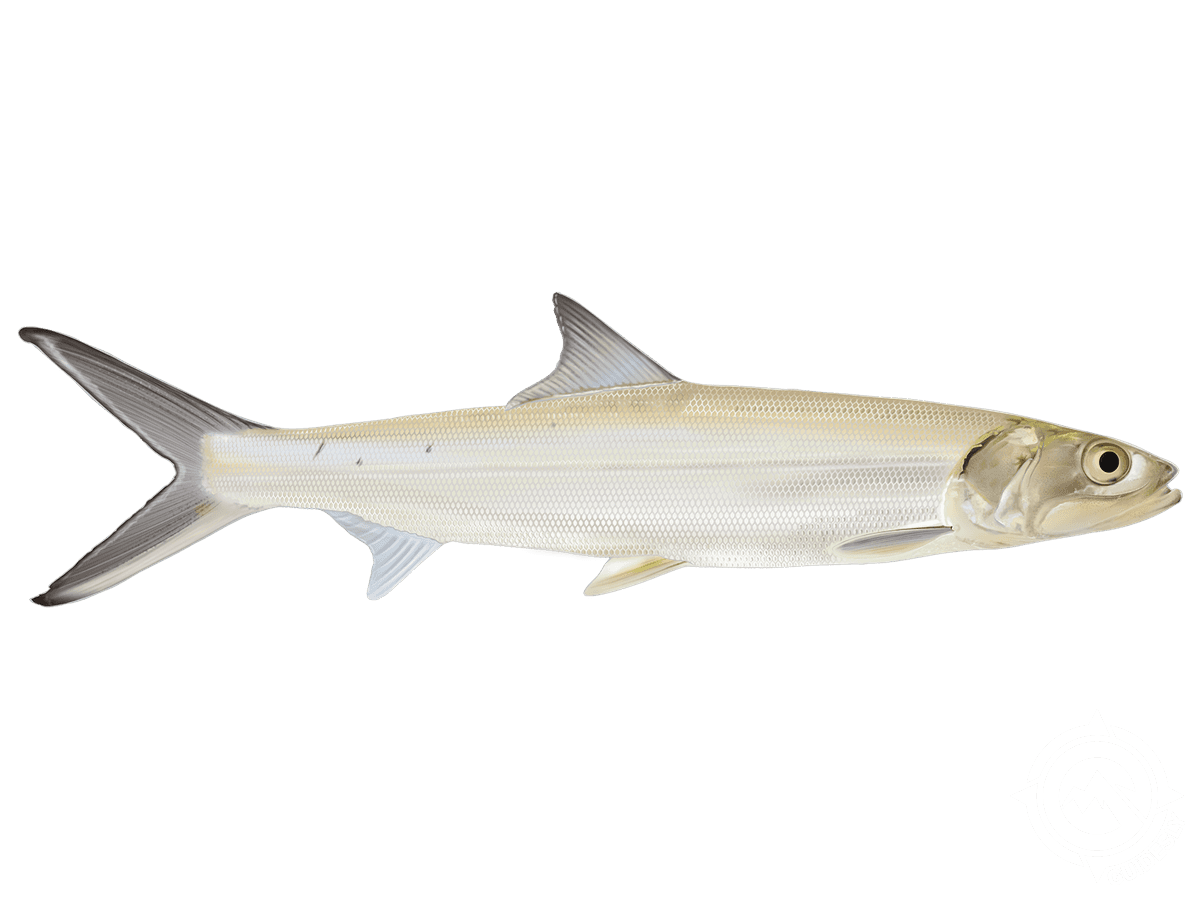
Ladyfish
Don't let anyone call these "poor man's tarpon" around me - ladyfish are scrappy little fighters that'll give you a show. They typically run 12-18 inches and love our shallow bays, canals, and grass flats. You can catch them year-round here, and they're perfect for beginners or when you want non-stop action. Once hooked, they'll jump and dance across the surface like crazy. They're not the best eating, but they make excellent live bait for bigger fish. What's great about ladyfish is they travel in schools, so when you find one, you'll usually find plenty more. My go-to technique is small jigs or live shrimp on light tackle. Use a fluorocarbon leader though - their small teeth are surprisingly sharp and they love to bite through line.
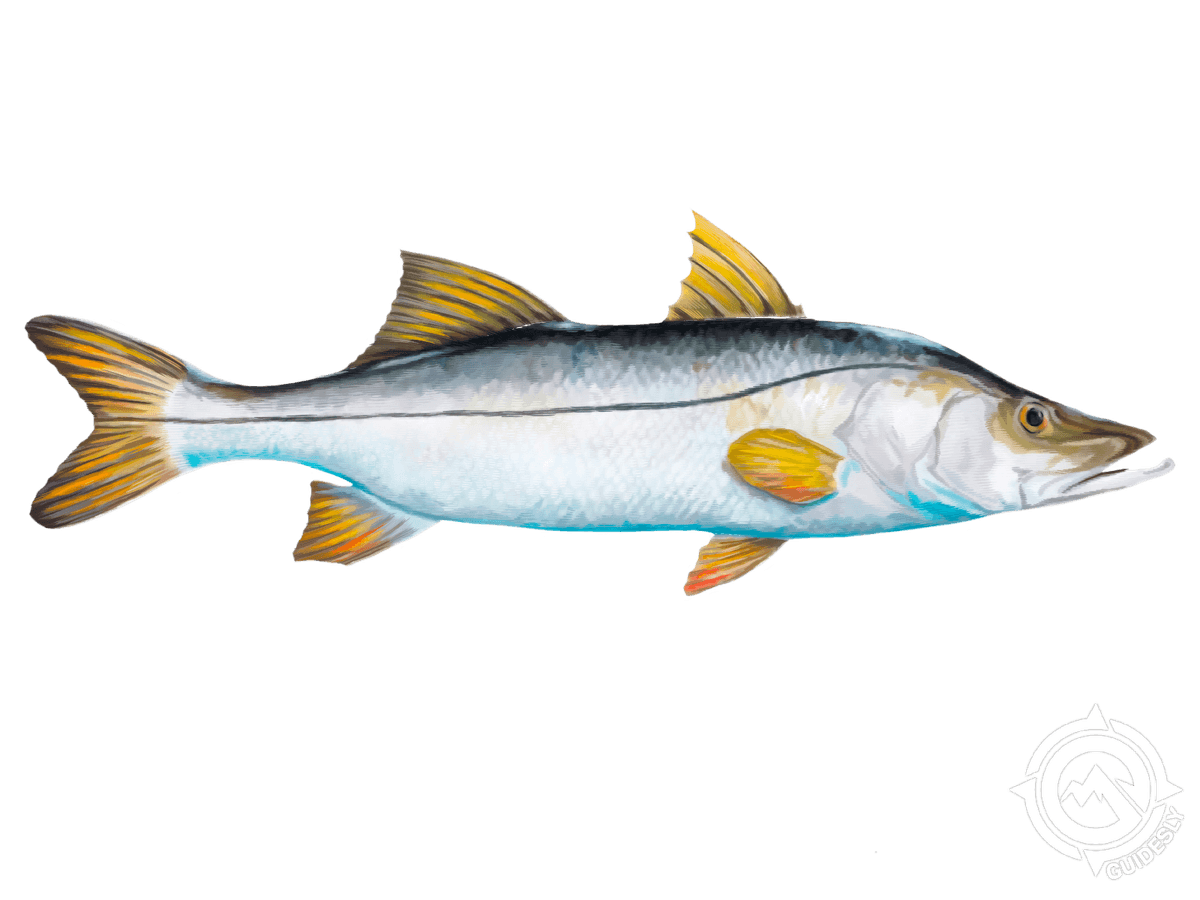
Snook
These golden-sided fighters are what make San Juan's inshore waters special. Most snook you'll catch run 18-24 inches, though the big girls can push 3-4 feet. They love hanging around mangroves, creek mouths, and any structure where they can ambush baitfish. You'll find them in both salt and brackish water, especially during spring through fall when they're most active. What makes snook so popular is that explosive strike and the way they jump and run toward cover. They're also excellent table fare with white, flaky meat. Here's a local tip: when you hook one near structure, keep your rod tip high and pull hard right away - give them a chance to reach those mangroves and they'll cut you off every time.
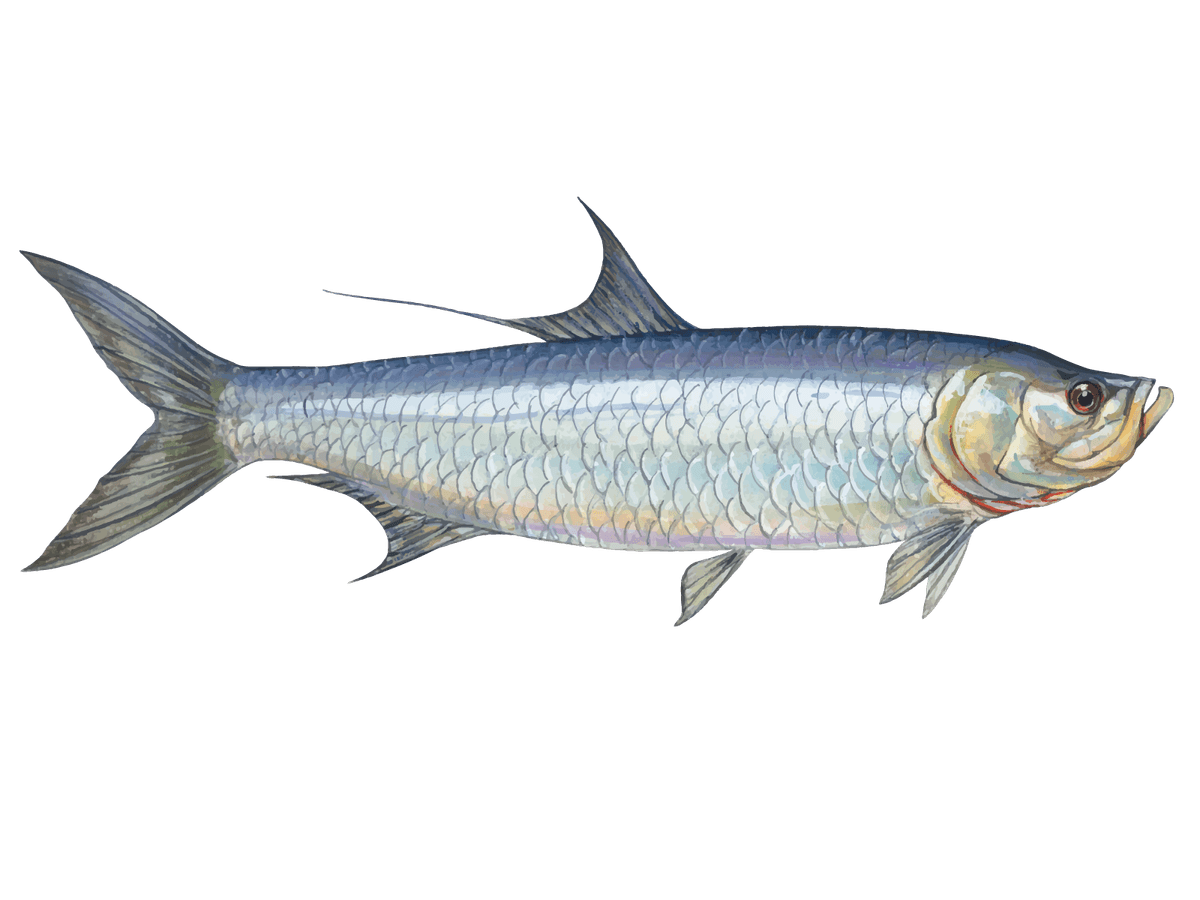
Tarpon
The silver kings of our waters can reach 6-8 feet and over 200 pounds, but most run 4-5 feet and 80-120 pounds. These prehistoric fish love shallow flats, channels, and deeper holes around the keys during their spring through summer migration. What gets people hooked on tarpon is watching a 150-pound fish launch itself 8 feet out of the water - pure power and athleticism. They're not great eating due to their bony flesh, so it's all about the fight and the photos. Most active during warmer months when they move through our waters to spawn. Pro tip: when that tarpon jumps, bow to the fish by dropping your rod tip toward the water - it keeps tension off the line and prevents those spectacular leaps from throwing the hook.
About the Center Console Boat
%2F%2Fusers%2F22ec3c8f-3e67-4dd1-a9d1-67fa97781b18%2Fvehicle_picture%2Fimg_1144-mm87ornk.jpeg&w=1200&q=75)
Vehicle Guest Capacity: 6
Manufacturer Name: Evinrude
Maximum Cruising Speed: 50
Number of Engines: 1
Horsepower per Engine: 250