%2Ffit-in%2F250x250%2Fusers%2F22ec3c8f-3e67-4dd1-a9d1-67fa97781b18%2Fimages%2Fa4c51974-f39c-437a-9280-f9e9fe5ae40e.jpg&w=1920&q=100)
/users/22ec3c8f-3e67-4dd1-a9d1-67fa97781b18/ratecard/img_2645-mm86en2l.jpeg)
%2F300x300%2Fusers%2F22ec3c8f-3e67-4dd1-a9d1-67fa97781b18%2Fratecard%2Fimg_2645-mm86en2l.jpeg&w=256&q=75)
%2Ffilters%3Aformat(webp)%2F300x300%2Fe6a88d49-555b-4a08-a880-98ed48199f92%2Freport%2Fsocial%2Fimages%2Freport%2Fsan-juan-tarpon-fishing-catch-3874.png&w=256&q=75)
%2Ffilters%3Aformat(webp)%2F300x300%2Fe6a88d49-555b-4a08-a880-98ed48199f92%2Freport%2Fsocial%2Fimages%2Freport%2Fsan-juan-tarpon-catch-10923.png&w=256&q=75)
%2Ffilters%3Aformat(webp)%2F300x300%2Fd623f5a7-1c90-4c74-9e83-24983a63e3fb%2Freport%2Fsocial%2Fimages%2Freport%2Ftarpon-catch-fishing-boat-adventure-4013.png&w=256&q=75)
%2Ffilters%3Aformat(webp)%2F300x300%2Fd623f5a7-1c90-4c74-9e83-24983a63e3fb%2Freport%2Fsocial%2Fimages%2Freport%2Ftarpon-catch-san-juan-fishing-4421.png&w=256&q=75)
%2Ffilters%3Aformat(webp)%2F300x300%2Fd623f5a7-1c90-4c74-9e83-24983a63e3fb%2Freport%2Fsocial%2Fimages%2Freport%2Ftarpon-catch-cooperativa-pescadores-ramp-5259.png&w=256&q=75)
%2Ffilters%3Aformat(webp)%2F300x300%2F6e864741-23db-4e95-b0fe-544af6825e34%2Freport%2Fsocial%2Fimages%2Freport%2Ftarpon-fishing-san-juan-pr-3072.png&w=256&q=75)
%2Ffilters%3Aformat(webp)%2F300x300%2F6e864741-23db-4e95-b0fe-544af6825e34%2Freport%2Fsocial%2Fimages%2Freport%2Ftarpon-catch-san-juan-boat-5137.png&w=256&q=75)
San Juan 4-Hour Inshore Fishing with SuFishNSea

 San Juan
What you will be catching:
 Crevalle Jack
 Great Barracuda
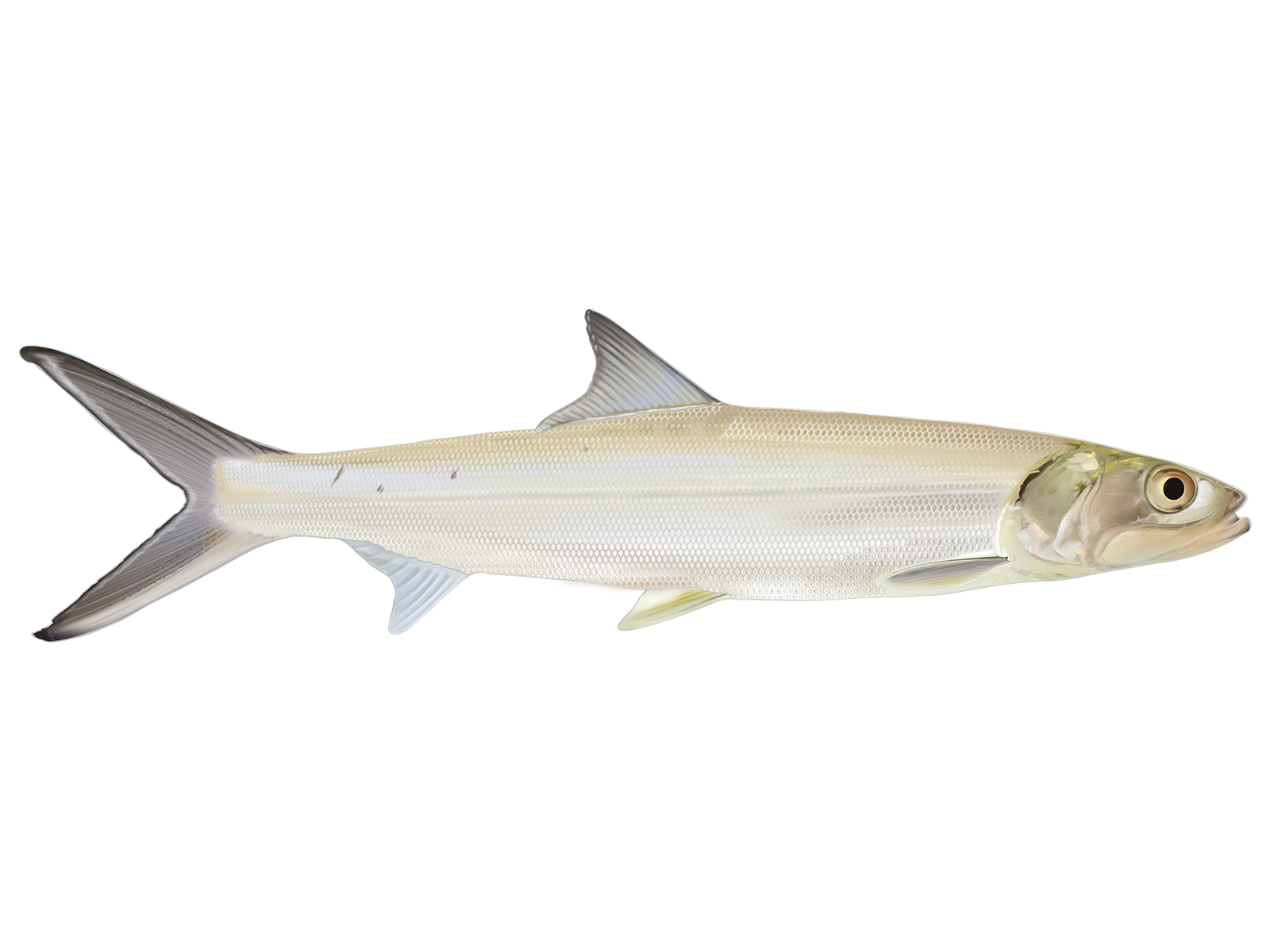 Ladyfish
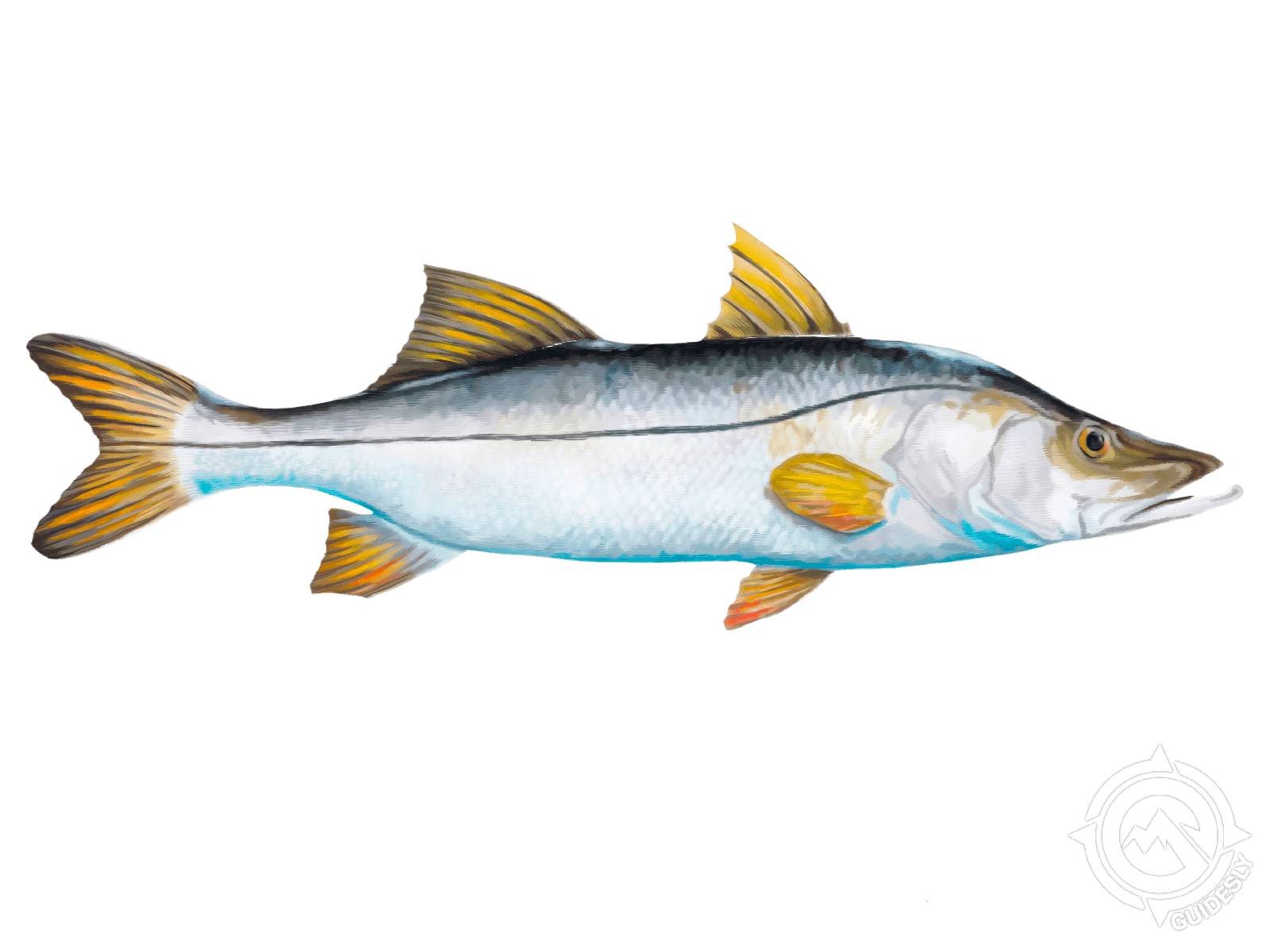
 Snook
Snook Tarpon
- Join Captain and crew from SuFishNSea for a focused 4-hour inshore fishing adventure around San Juan's productive waters. This small group trip takes just 3 guests to prime fishing spots where you'll target local species like snook, tarpon, and snapper. Perfect for both seasoned anglers and first-timers, you'll get hands-on coaching on techniques that work in these Caribbean waters. The captain knows exactly where fish are biting and will put you on them while you take in San Juan's beautiful coastline. All skill levels welcome
- come ready to fish and learn something new on the water.
Trip Pricing and Availabilities:
4hr Inshore Fishing Trip - San Juan
Ready to get your lines wet in some of San Juan's most productive inshore waters? This 4-hour fishing adventure puts you right in the action with a seasoned captain who knows exactly where the fish are biting. You'll hit multiple prime spots around the bay and nearby flats, targeting some seriously feisty species that'll give you a real fight. Whether you're bringing the kids for their first taste of saltwater fishing or you're looking to add some trophy catches to your logbook, this trip delivers the goods. Small group size means personalized attention and plenty of elbow room – we're talking just 3 anglers max, so everyone gets their shot at the hot bite.
What to Expect on the Water
Your captain fires up the engine before dawn, and you'll cruise out to the first spot as the sun paints the San Juan skyline. The beauty of inshore fishing here is the variety – one minute you're working the mangrove edges for snook, the next you're drifting over grass flats where tarpon roll on the surface. The boat stays in protected waters, so even if it's a bit choppy outside, you'll fish comfortably in the bays and channels. Expect to move around quite a bit during the 4 hours – your captain reads the conditions and adjusts the game plan on the fly. When the fish are schooled up and feeding, you might stay put and work the same area. Other days, it pays to cover water and find where they're holding. The energy is contagious when rods start bending, and there's nothing quite like watching a first-timer's face light up when they hook into their first tarpon.
Techniques & Tackle
You'll fish with medium-action spinning gear that's perfect for the variety of species swimming these waters. Live bait rules the day here – pilchards, shrimp, and small crabs are the go-to offerings that get the most action. Your captain rigs everything up and shows you the right presentation for each spot. Around structure like docks and mangroves, you'll pitch baits tight to cover and let them work naturally with the current. Over the flats, it's all about reading the water and watching for nervous baitfish or rolling tarpon. Artificial lures come into play when the fish are aggressive – topwater plugs at dawn can create explosive strikes that'll get your heart pumping. The captain handles the net and unhooking, so you can focus on the fight. Circle hooks are standard for better fish survival, and your guide knows exactly how to work each species for a safe release.
What Anglers Are Saying
"My family had the best time fishing with Captain Luis! My sons loved him and they caught lots of fish. Captain Luis was nice, fun, and knowledgeable! We will definitely use him again. Highly recommend!" - Stacy
Species You'll Want to Hook
Snook are the bread and butter of San Juan inshore fishing, and for good reason. These ambush predators love hanging around dock pilings, mangrove roots, and bridge shadows where they can dart out to nail unsuspecting baitfish. They're incredibly smart and can be picky eaters, but when you present the right bait in the right spot, they'll slam it hard. Snook fight dirty – they'll try to wrap you around structure or make blazing runs toward cover. The slot-size fish here typically run 18 to 28 inches, and they're absolute dynamite on light tackle. Best action happens during moving water, especially around the tide changes when baitfish get pushed through their feeding zones.
Tarpon are hands down the most exciting fish you'll encounter on this trip. These silver kings can show up anywhere from 10 pounds to over 100, and even the smaller ones will test your tackle and your patience. They're famous for their acrobatic jumps – sometimes clearing the water completely in a shower of spray and scales. San Juan's tarpon bite peaks during the warmer months when they move into the shallows to feed and spawn. You'll often see them rolling on the surface before you even cast, giving away their location with those distinctive splashes. The fight is legendary – long runs, multiple jumps, and a stubbornness that'll make your arms burn. Landing one is a real achievement that'll have you talking for years.
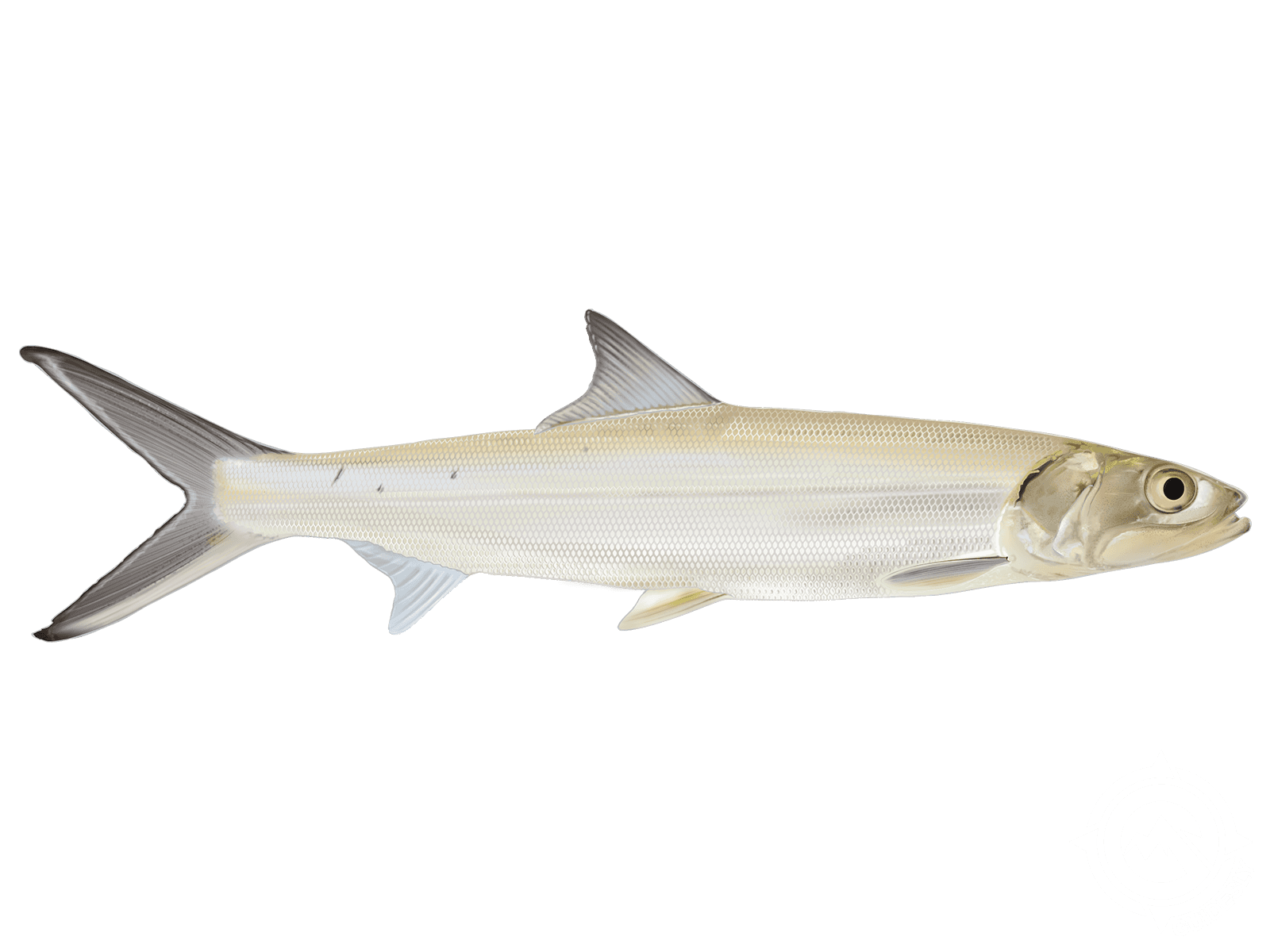
Ladyfish might not be the biggest predators in these waters, but they make up for size with pure attitude. These silvery speedsters are like miniature tarpon, jumping and tail-walking across the surface when hooked. They school up in good numbers, so when you find one, you'll usually find more. Kids absolutely love catching ladyfish because they hit hard, fight clean, and are pretty forgiving if your technique isn't perfect yet. They're also great bait stealers, so when the action slows on other species, ladyfish often keep rods bent. Peak activity happens during moving tides when they corral baitfish in the channels and around structure.
Great Barracuda are the ocean's version of freshwater pike – all teeth and attitude wrapped in a torpedo-shaped package. These apex predators cruise the flats and edges, always on the hunt for an easy meal. They're incredibly fast and have eyesight that'll humble any angler who thinks they can get away with sloppy presentations. Barracuda hits are violent and instantaneous – there's no mistaking when one decides your bait looks tasty. They can reach impressive sizes in San Juan waters, with fish over 20 pounds not uncommon. The key is using wire leaders because those razor-sharp teeth will slice through mono like butter. Their speed and power make for exciting fights, especially when they decide to go airborne.
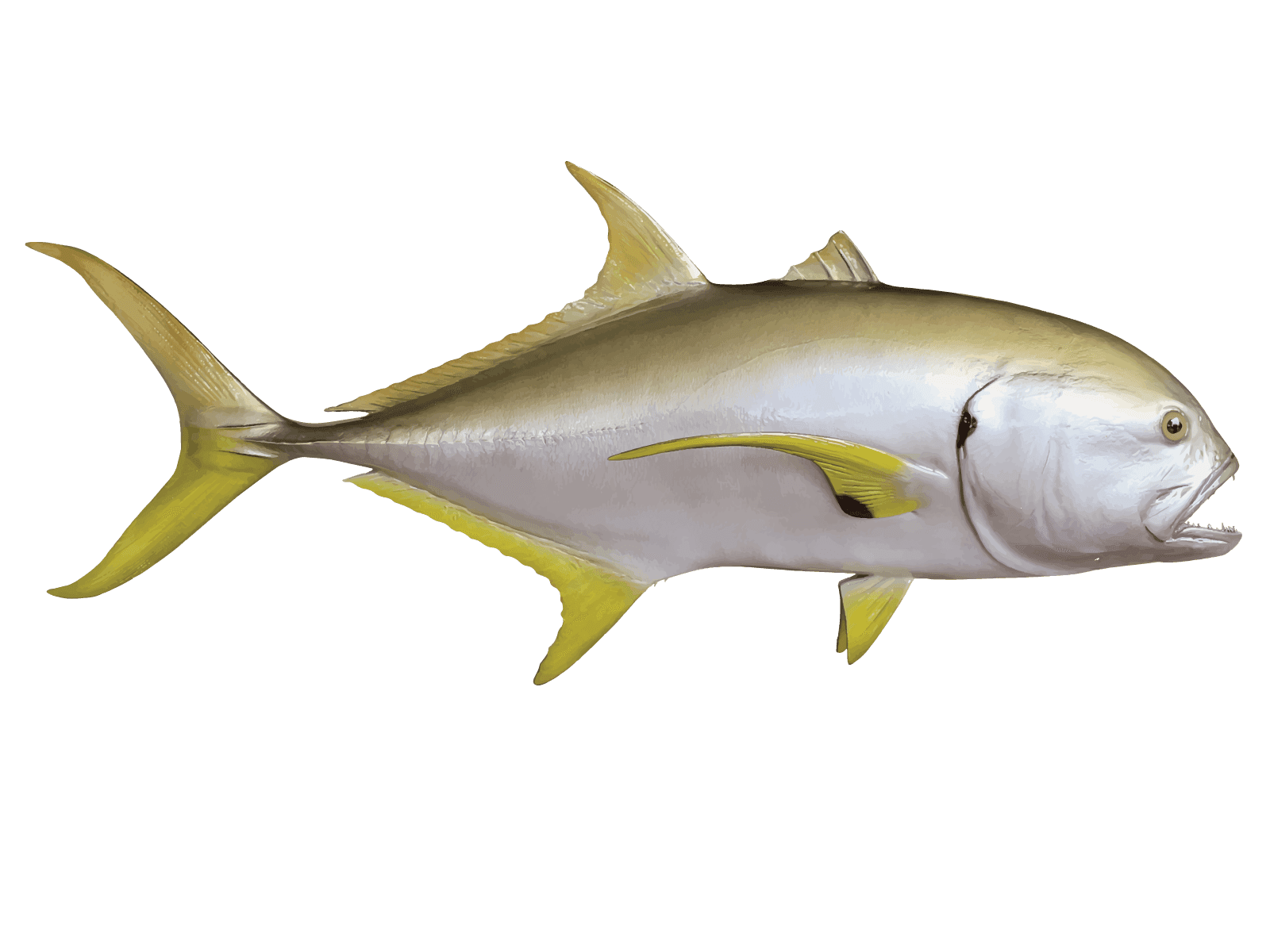
Crevalle Jack are the bulldogs of the inshore world – pure muscle and determination packed into a deep-bodied frame. When a school moves through, the water comes alive with surface action as they push baitfish to the top. These guys fight
Customer Review
Captain Luis Rocks

Stacy S.
July 15, 2025
Learn more about the animals
Crevalle Jack
Jacks are the bulldogs of our local waters - pure muscle and attitude packed into a golden, disc-shaped body. Most run 3-8 pounds, but we regularly see 15-20 pounders that'll give you a workout. They roam grass flats, harbor mouths, and around structure in shallow to mid-depth water. Active year-round, they're easiest to spot when birds are diving - jacks push baitfish to the surface while pelicans and gulls attack from above. These fish fight dirty, using their flat sides to leverage against your drag. They're not great table fare, but the battle makes up for it. Watch for that weird watermelon smell when schools are feeding nearby. Pro tip: cast past the school and rip your lure back fast - they love the chase. Silver spoons and fast-moving swimbaits work best.
Great Barracuda
Barracuda are the wolves of our reefs and flats - fast, aggressive, and always ready to strike. These torpedo-shaped predators typically measure 2-4 feet, though 5-6 footers show up regularly to test your tackle. You'll spot them patrolling coral heads, drop-offs, and grass flats in 10-50 feet of water. They're year-round residents but most active during warmer months. What makes cuda fishing addictive is their explosive speed - they can hit 35 mph chasing down bait. The fight is intense but short-lived since they burn out quickly. Most anglers release them due to ciguatera concerns, but the battle is the real reward. Here's the secret: use flashy silver lures and retrieve them fast. Barracuda are visual hunters attracted to movement and shine. Wire leaders are mandatory - those razor teeth will cut anything else instantly.
Ladyfish
Ladyfish are the perfect starter fish for anyone new to our waters, plus they keep experienced anglers busy between bigger catches. These silver rockets typically run 12-18 inches but can hit 2-3 feet. You'll find them in shallow bays, around docks, and near shore year-round - they're not picky about conditions. When hooked, they put on quite a show with jumping and tail-walking that earned them the nickname "poor man's tarpon." They hit just about anything - small jigs, live shrimp, or cut bait. While most folks don't keep them for dinner, they make excellent bait for snook and other predators. My tip: use a wire leader because they've got small but sharp teeth that'll slice through mono. They school up, so where you catch one, there's usually more.
Snook
Snook are one of our most prized catches around San Juan's mangroves and shallow flats. These sleek silver fish with that distinctive black lateral line typically run 1-3 feet, though we occasionally hook monsters pushing 4 feet. They love hanging around structure - docks, mangrove roots, and channel edges where they ambush baitfish. Peak action happens during warmer months, especially around dawn and dusk when they're actively feeding. What makes snook special is their explosive strikes and bulldogging fight once hooked. They're also excellent table fare with firm, white meat. Pro tip: use a fluorocarbon leader since snook have razor-sharp gill plates that'll cut regular line in a heartbeat. Work your bait slow around cover and be ready for that sudden thump.
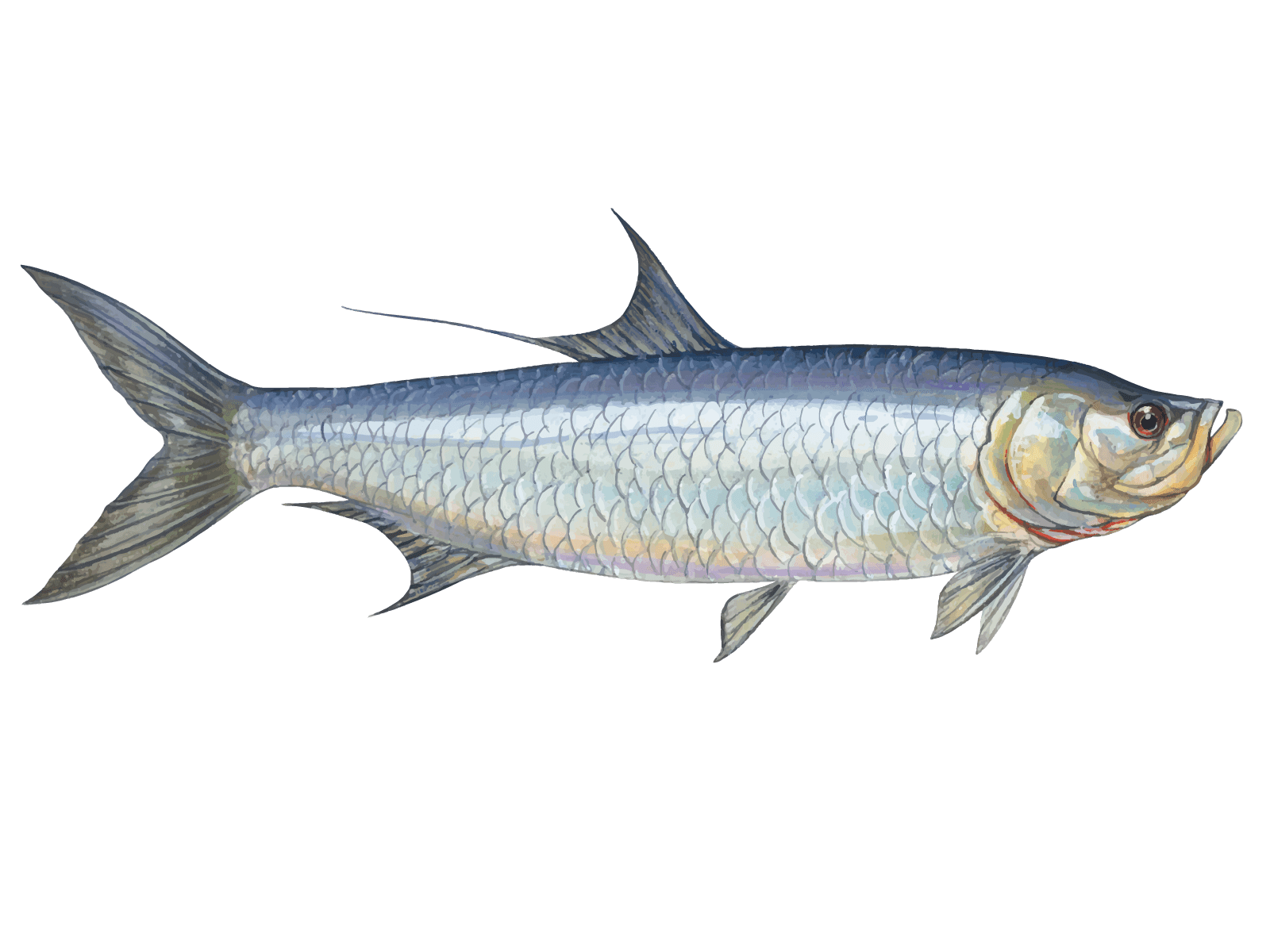
Tarpon
The silver king is what dreams are made of out here. These prehistoric giants average 4-6 feet and 80-100 pounds, but we've seen 8-footers that'll test your gear and your patience. Tarpon cruise our shallow flats, harbors, and channel mouths, especially during spring through fall when they're most active. What sets them apart is their aerial show - they'll jump 10 feet out of the water trying to throw your hook. It's pure adrenaline watching a 150-pound fish go airborne. Most anglers release them since the meat is bony and not great eating. The real prize is the fight and those jumping photos. Key advice: bow to the fish when it jumps - drop your rod tip toward the water to give slack, or that acrobatic move will snap your line every time.
About the Center Console Boat
%2F%2Fusers%2F22ec3c8f-3e67-4dd1-a9d1-67fa97781b18%2Fvehicle_picture%2Ffullsizerender-mm880ldv.jpeg&w=1920&q=75)
Vehicle Guest Capacity: 6
Manufacturer Name: Mercury
Maximum Cruising Speed: 42
Number of Engines: 1
Horsepower per Engine: 200

My family had the best time fishing with Captain Luis! My sons loved him and they caught lots of fish. Captain Luis was nice, fun, and knowledgeable! We will definitely use him again. Highly recommend!