%2Ffit-in%2F250x250%2Fusers%2F22ec3c8f-3e67-4dd1-a9d1-67fa97781b18%2Fimages%2Fa4c51974-f39c-437a-9280-f9e9fe5ae40e.jpg&w=1920&q=100)
/users/22ec3c8f-3e67-4dd1-a9d1-67fa97781b18/ratecard/img_8666-mm88xlxe.jpeg)
%2F300x300%2Fusers%2F22ec3c8f-3e67-4dd1-a9d1-67fa97781b18%2Fratecard%2Fimg_8666-mm88xlxe.jpeg&w=256&q=75)
%2F300x300%2Fusers%2F22ec3c8f-3e67-4dd1-a9d1-67fa97781b18%2Fimages%2Fsan-juan-tarpon-fishing-success-2574.jpeg&w=256&q=75)
%2F300x300%2Fusers%2F22ec3c8f-3e67-4dd1-a9d1-67fa97781b18%2Fimages%2Fmahi-mahi-catch-san-juan-2671.jpeg&w=256&q=75)
%2F300x300%2Fusers%2F22ec3c8f-3e67-4dd1-a9d1-67fa97781b18%2Fimages%2Fbillfish-catch-san-juan-fishing-2390.jpeg&w=256&q=75)
%2F300x300%2Fusers%2F22ec3c8f-3e67-4dd1-a9d1-67fa97781b18%2Fimages%2Fblue-marlin-san-juan-fishing-2676.jpeg&w=256&q=75)
%2F300x300%2Fusers%2F22ec3c8f-3e67-4dd1-a9d1-67fa97781b18%2Fimages%2Fsan-juan-snook-fishing-catch-2716.jpeg&w=256&q=75)
%2F300x300%2Fusers%2F22ec3c8f-3e67-4dd1-a9d1-67fa97781b18%2Fimages%2Fsan-juan-tarpon-close-up-3243.jpeg&w=256&q=75)
%2F300x300%2Fusers%2F22ec3c8f-3e67-4dd1-a9d1-67fa97781b18%2Fimages%2Fatlantic-sailfish-catch-san-juan-2746.jpg&w=256&q=75)
%2F300x300%2Fusers%2F22ec3c8f-3e67-4dd1-a9d1-67fa97781b18%2Fimages%2Ftarpon-catch-san-juan-pr-2663.jpg&w=256&q=75)
%2F300x300%2Fusers%2F22ec3c8f-3e67-4dd1-a9d1-67fa97781b18%2Fimages%2Ftarpon-catch-san-juan-pr-2666.jpg&w=256&q=75)
%2F300x300%2Fusers%2F22ec3c8f-3e67-4dd1-a9d1-67fa97781b18%2Fimages%2Fsan-juan-tarpon-fishing-catch-3874.png&w=256&q=75)
Premium 4hr Offshore Fishing SuFishNSea
 San Juan
What you will be catching:
 Atlantic Sailfish
 Blue Marlin
 Mahi Mahi or Common Dolphinfish
 White Marlin
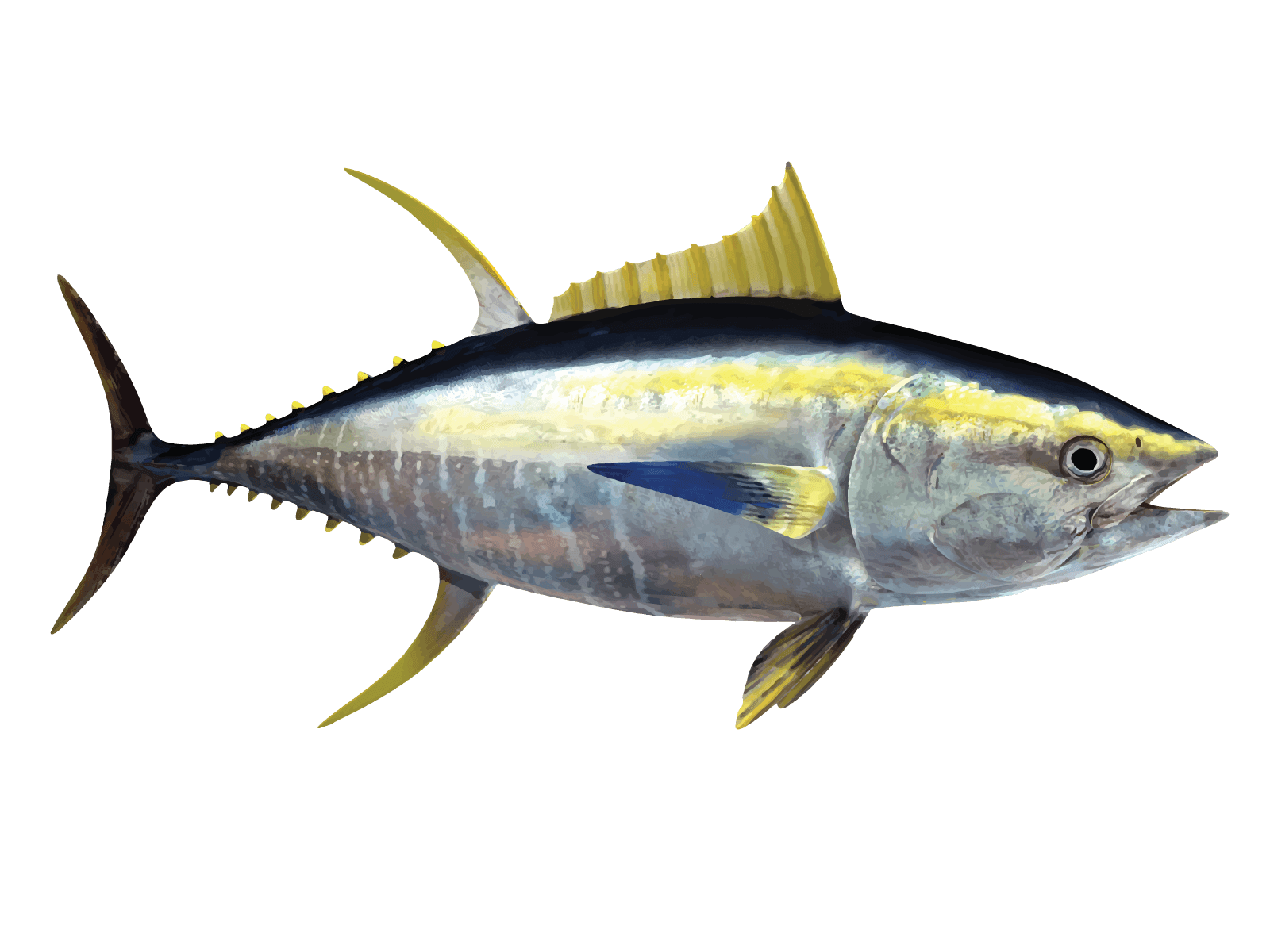
 Yellowfin Tuna
- This 6-hour offshore fishing adventure with SuFishNSea gets you on the water bright and early at 7 a.m. when the fish are most active. You'll be working rod and reel techniques with an experienced captain right there to guide you through targeting multiple species in deeper waters. The early morning start gives you the best shot at consistent action before the day heats up. With just 4 guests max, you get plenty of personalized attention and room to fish comfortably. If weather doesn't cooperate, they'll offer a full refund or switch you to an inshore option instead of leaving you hanging.
Trip Pricing and Availabilities:
6-Hour Offshore Fishing Adventure
There's nothing quite like the rush of heading out into deep waters at first light, watching the coastline shrink behind you as you chase the big game fish that call the blue water home. SuFishNSea's 6-hour offshore trip kicks off at 7 a.m. sharp, giving you the best shot at connecting with some seriously impressive fish when they're most active. This isn't your typical dock fishing – we're talking about a real offshore experience where the water runs deep blue and the fish fight hard.
What to Expect on the Water
Your morning starts early, but trust me, it's worth every minute of lost sleep. We'll be running out to the prime offshore grounds where the water temperature and structure create perfect conditions for pelagic species. The boat accommodates up to 4 anglers, which means you're not fighting for rod time or elbow room – everyone gets plenty of action. Our captain knows these waters like the back of his hand and will be right there coaching you through every hookup, whether you're a seasoned angler or this is your first time tangling with billfish. Weather can be unpredictable offshore, so if conditions turn sketchy, you've got options – full refund or we can switch gears to an inshore trip. No one wants to spend six hours getting beat up by rough seas when the fish aren't biting anyway.
Trolling Tactics & Gear Setup
Offshore fishing is all about covering water and presenting the right baits at the right speeds. We'll be trolling a spread of lures and rigged baits designed to trigger strikes from fast-moving pelagics. The gear is heavy-duty – we're talking about fish that can peel off hundreds of yards of line in seconds, so everything needs to be up to the task. You'll be working with quality rods and reels that can handle the punishment these fish dish out. The captain will set up the spread based on current conditions, water temperature, and what's been biting recently. Don't worry if you've never worked a fighting chair or handled big game tackle – that's what we're here for. Part of the fun is learning how to work these fish properly, and there's definitely a technique to it that makes all the difference between landing your fish and watching it throw the hook.
Top Catches This Season
The Atlantic Sailfish is hands down one of the most exciting fish you can hook in these waters. These acrobatic fighters average 6-8 feet and put on an absolute show when they're hooked, launching themselves clear out of the water multiple times during the fight. They're most active during the warmer months and tend to feed heavily in the early morning hours – exactly when we'll be out there. What makes them special isn't just their size, but their speed and aerial displays that'll have you grabbing for your phone to get video.
Blue Marlin are the kings of the offshore world, and hooking into one is a bucket list experience for any angler. These giants can exceed 400 pounds and will test every bit of your endurance and the boat's equipment. They're typically found in deeper water where the thermocline creates ideal feeding conditions. Summer and early fall offer the best chances, though they can show up any time conditions are right. The fight is legendary – long, powerful runs combined with spectacular jumps that'll leave your arms shaking and your heart pounding.
Mahi Mahi, or dolphin fish as locals often call them, are probably the most reliable target species and definitely one of the most colorful. These fish light up in brilliant greens, blues, and yellows when they're hooked, and they're known for their aggressive strikes and acrobatic fights. They typically run 10-30 pounds and are excellent table fare, making them a favorite among both sport and food fishermen. Look for them around floating debris, weed lines, or wherever baitfish are concentrated.
Yellowfin Tuna are pure muscle and speed, built like underwater torpedoes that can reach incredible speeds. These fish are prized for their fighting ability and their value as sashimi-grade table fare. They typically show up in schools, so when you find one, there's usually more around. The fight is characterized by long, steady runs rather than jumps, but don't let that fool you – they'll wear you out with their stamina and power. Peak season varies, but they're generally most active when water temperatures are optimal.
White Marlin are smaller than their blue cousins but no less exciting to catch. These fish typically range from 50-80 pounds and are known for their aggressive nature and spectacular aerial displays. They're often called the "poor man's marlin," but anyone who's fought one knows there's nothing poor about the experience. They tend to be more abundant than blue marlin and offer a great introduction to billfish angling while still providing plenty of excitement and challenge.
Time to Book Your Spot
This 6-hour offshore adventure gives you a real taste of what big game fishing is all about without committing to a full day on the water. You'll be back at the dock by early afternoon with stories to tell and hopefully some great photos of the fish you caught. The early start time puts you on the water when conditions are typically calmest and fish are most active. With only 4 spots available, this trip fills up fast, especially during peak season. The captain's experience and knowledge of local waters, combined with quality gear and a boat that can handle offshore conditions safely, makes this a top-rated choice for anyone wanting to experience world-class offshore fishing. Don't wait until the last minute – book your spot today and get ready for some serious fishing action.
Learn more about the species
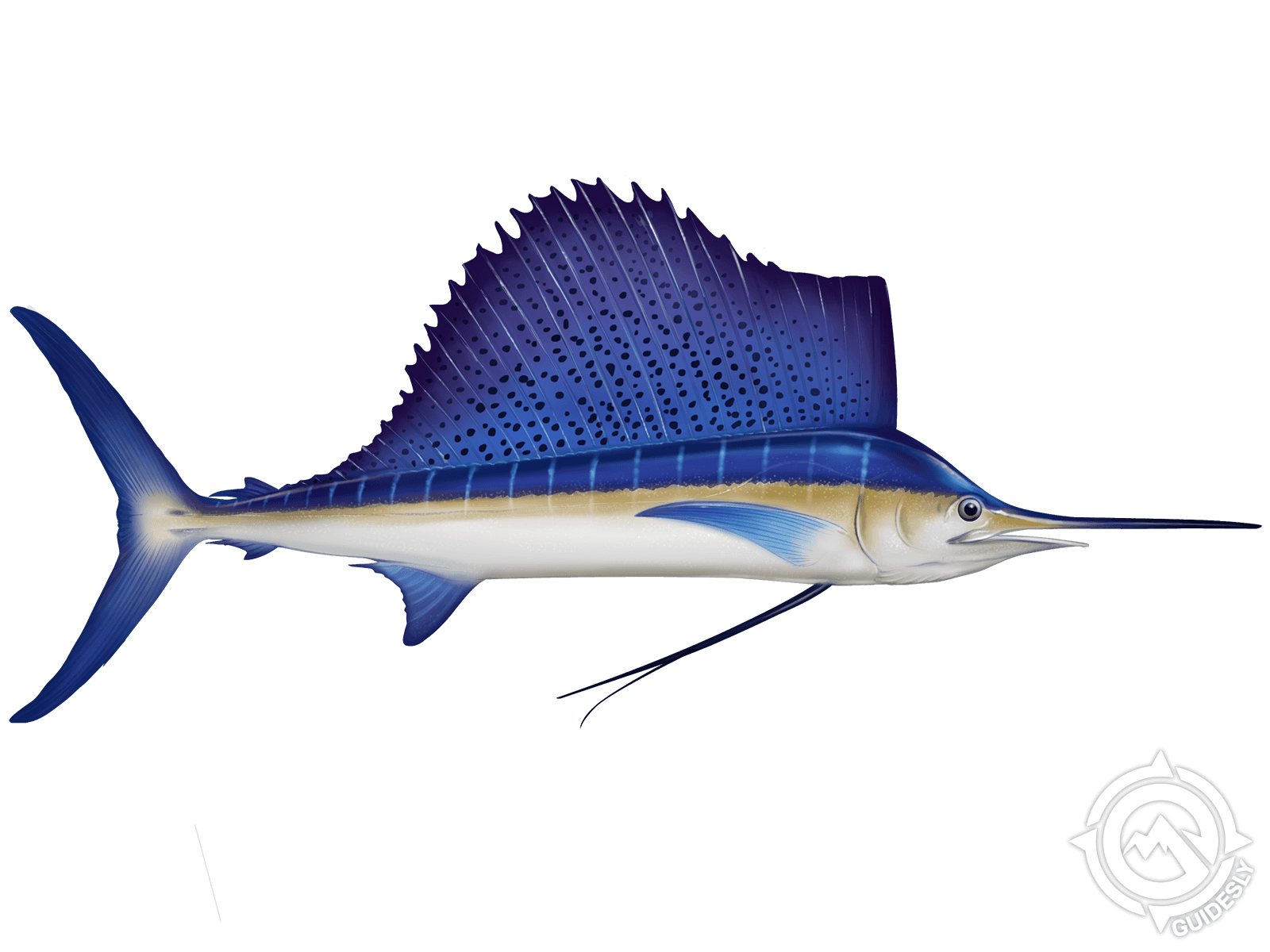
Atlantic Sailfish
Atlantic sailfish are real showboats - they average 7-8 feet and around 50 pounds, with that signature sail-like dorsal fin. These speed demons hit 20-30 mph and love to jump and tail-walk when hooked. You'll find them in warm surface waters, usually 30-65 feet deep around temperature breaks and current edges. They hunt in schools, using their bills to stun baitfish like sardines and mackerel. Winter months are prime time here. What makes them special? Pure acrobatics - they'll leap repeatedly and change colors from blue to black during the fight. My tip: when trolling, keep your baits skipping on the surface and watch for that sail coming up behind. Don't set the hook too early - let them eat first.
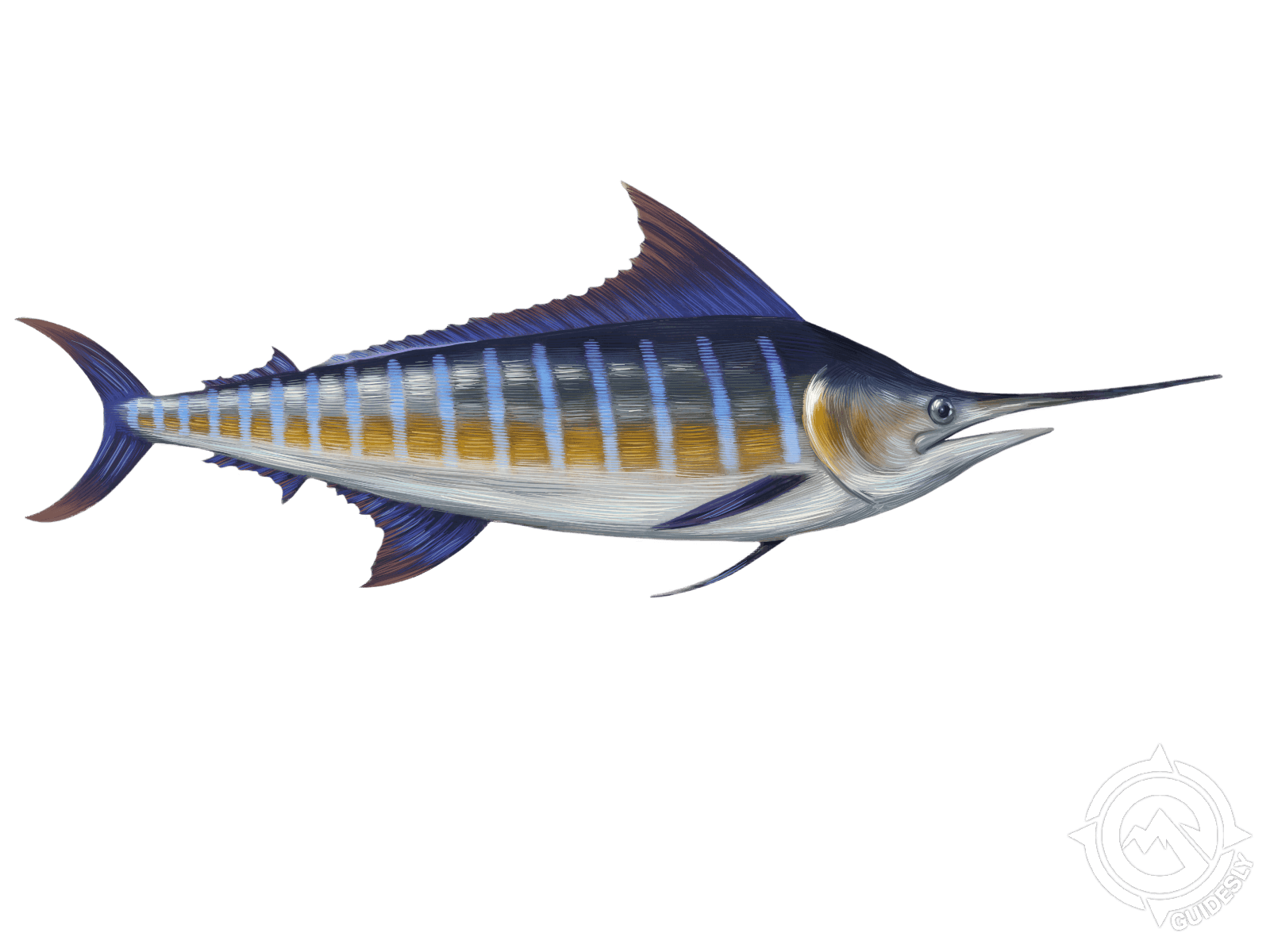
Blue Marlin
Blue marlin are the giants of billfish - females can hit 1,000+ pounds while males rarely exceed 350. These deep blue torpedoes cruise tropical waters along current edges and temperature breaks, usually in the top 200 feet. They follow warm water year-round, feeding on tuna, mackerel, and squid. What draws anglers? The raw power and aerial displays when hooked - nothing matches a marlin greyhounding across the surface. Their fights can last hours, testing both angler and tackle. The meat's decent but most folks release these beauties. Key tip: use industrial-grade tackle and don't rush the fight. When trolling, position your biggest lures in the long rigger positions - marlins often approach from behind and wide.
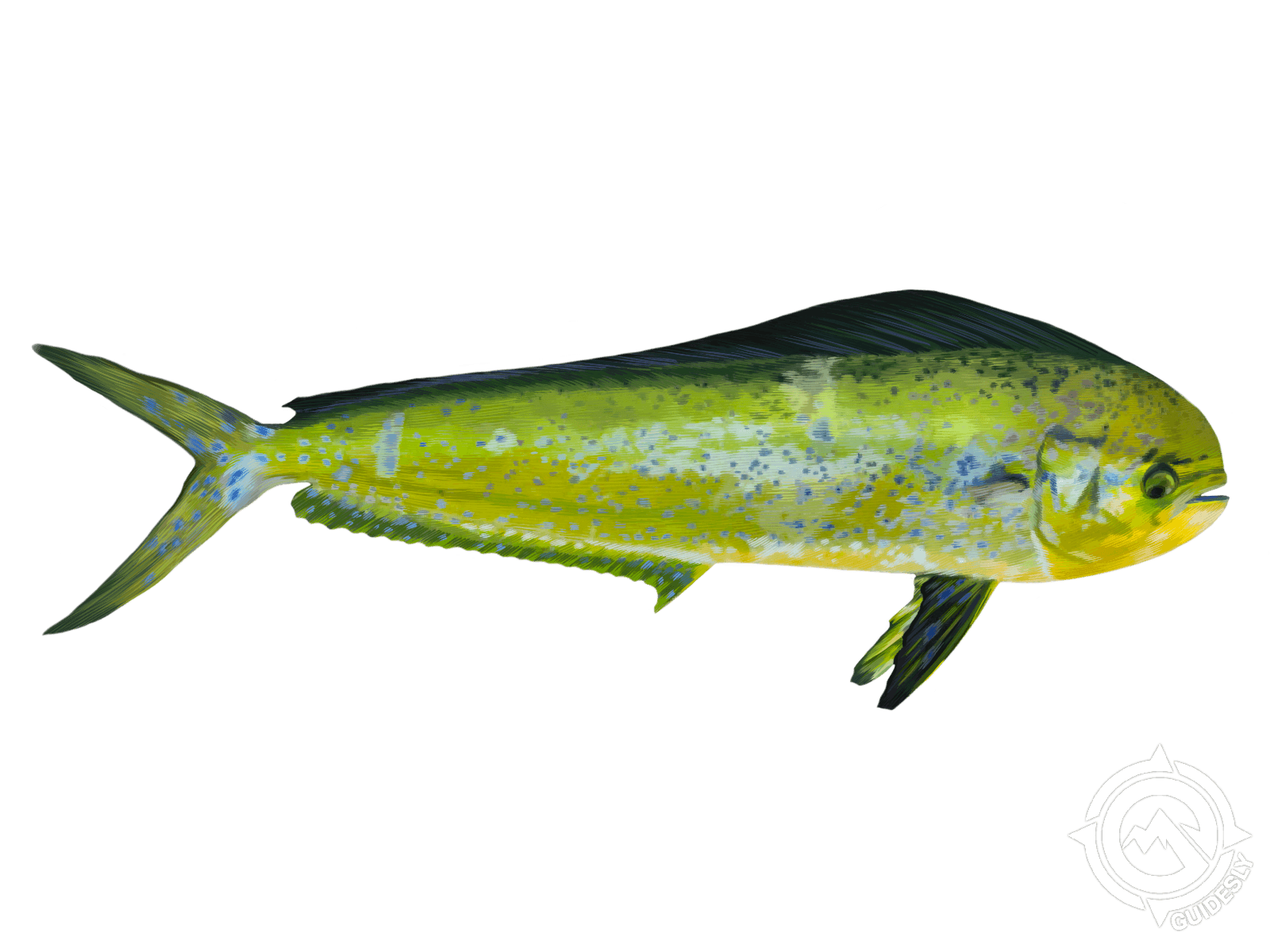
Mahi Mahi or Common Dolphinfish
Mahi mahi are the showstoppers of offshore fishing - brilliant gold and green fish that put on a color-changing light show when brought to the boat. They average 15-30 pounds but can hit 50+. These surface cruisers love floating debris, weed lines, and current edges in warm water. They're fast growers, spawning year-round, so they're abundant most seasons. What makes them great targets? They fight hard, jump well, and taste fantastic - firm white meat perfect for the grill. They often travel in schools, so when you find one, work the area for more. Pro tip: look for frigate birds diving on debris - that's where the mahi are. Troll colorful lures or live ballyhoo right on the surface to get their attention.
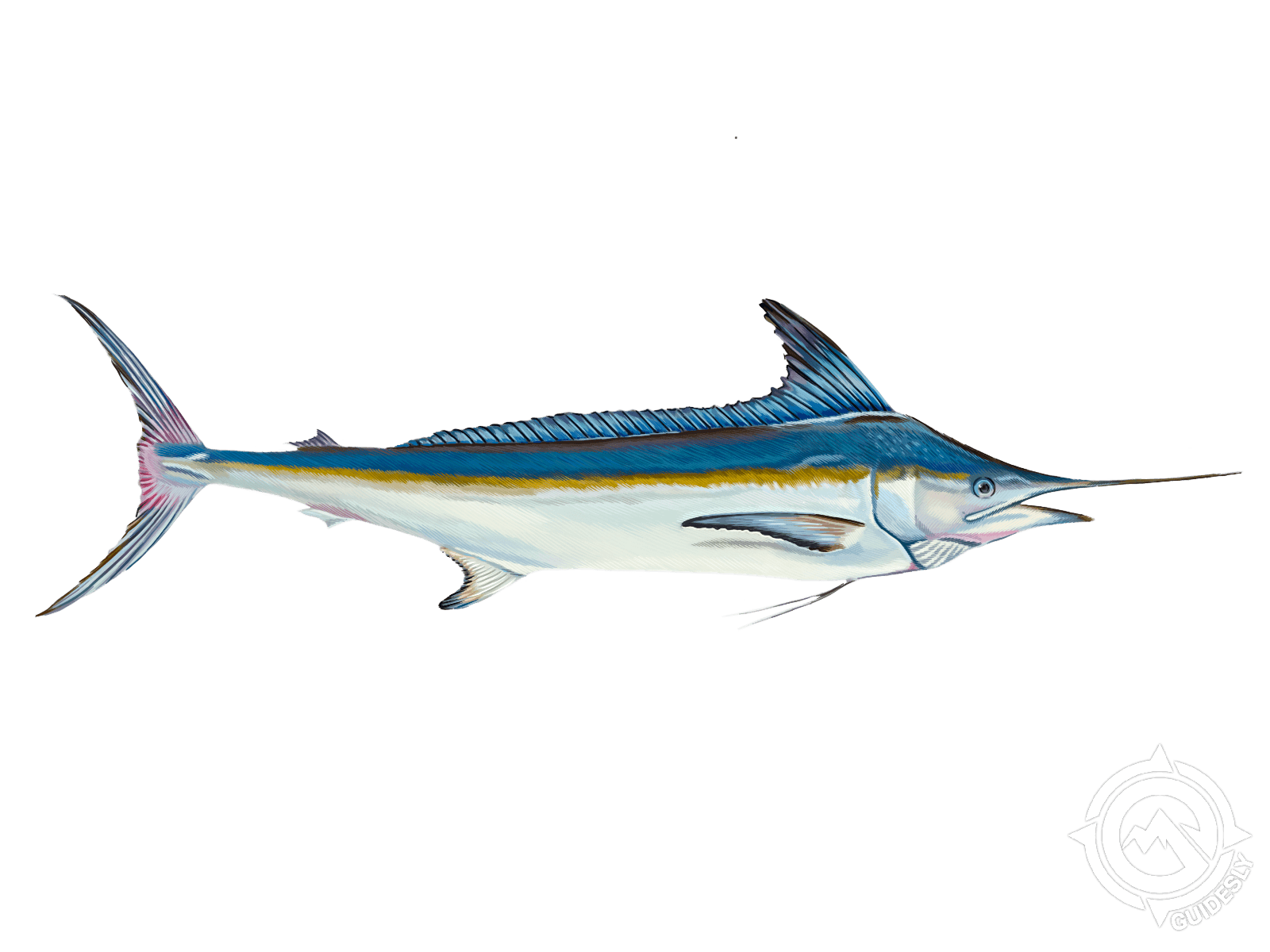
White Marlin
White marlin are smaller billfish, usually 80-180 pounds and up to 9 feet long, but they're scrappy fighters that love to jump. These apex predators cruise deep tropical waters along canyons, temperature breaks, and current edges. They hunt flying fish, small tuna, and squid using their speed and that sharp bill. Summer months are typically best when they follow warm water north. What draws anglers? They're more common than blues but still put up a great aerial show. Most get released since they're a prized game species. Key technique: troll dead ballyhoo rigged to swim naturally, but don't watch the bait - watch the water around it. White marlin are sneaky strikers. When one hits, let it eat before setting the hook, and be patient during the fight.
Yellowfin Tuna
Yellowfin tuna are built for speed - torpedo-shaped with bright yellow fins that give them their name. These warm-blooded fish average 60 pounds but can reach 400+, cruising at 50 mph in the upper water column. You'll find them in tropical waters, often around birds working baitfish or temperature breaks. They're year-round targets that hit trolled lures, jigs, and chunks. What makes yellowfin special? They're incredible fighters with long, powerful runs, plus the meat is sushi-grade - perfect for the table. They school up, so where there's one, there's usually more. My best advice: when the bite gets tough, switch from trolling to chunking with whatever baitfish they're feeding on. Match the hatch and you'll draw them up from the depths.
About the Center Console Boat
%2F%2Fusers%2F22ec3c8f-3e67-4dd1-a9d1-67fa97781b18%2Fvehicle_picture%2Fimg_3371-mm87r61b.jpeg&w=1920&q=75)
Vehicle Guest Capacity: 4
Manufacturer Name: Yamaha
Maximum Cruising Speed: 42
Number of Engines: 2
Horsepower per Engine: 300