%2Ffit-in%2F250x250%2Fusers%2F22ec3c8f-3e67-4dd1-a9d1-67fa97781b18%2Fimages%2Fa4c51974-f39c-437a-9280-f9e9fe5ae40e.jpg&w=1920&q=100)
/users/22ec3c8f-3e67-4dd1-a9d1-67fa97781b18/ratecard/fullsizerender-mm88sm43.jpeg)
%2F300x300%2Fusers%2F22ec3c8f-3e67-4dd1-a9d1-67fa97781b18%2Fratecard%2Ffullsizerender-mm88sm43.jpeg&w=256&q=75)
%2F300x300%2Fusers%2F22ec3c8f-3e67-4dd1-a9d1-67fa97781b18%2Fimages%2Fsan-juan-tarpon-fishing-success-2574.jpeg&w=256&q=75)
%2F300x300%2Fusers%2F22ec3c8f-3e67-4dd1-a9d1-67fa97781b18%2Fimages%2Fmahi-mahi-catch-san-juan-2671.jpeg&w=256&q=75)
%2F300x300%2Fusers%2F22ec3c8f-3e67-4dd1-a9d1-67fa97781b18%2Fimages%2Fbillfish-catch-san-juan-fishing-2390.jpeg&w=256&q=75)
%2F300x300%2Fusers%2F22ec3c8f-3e67-4dd1-a9d1-67fa97781b18%2Fimages%2Fblue-marlin-san-juan-fishing-2676.jpeg&w=256&q=75)
%2F300x300%2Fusers%2F22ec3c8f-3e67-4dd1-a9d1-67fa97781b18%2Fimages%2Fsan-juan-snook-fishing-catch-2716.jpeg&w=256&q=75)
%2F300x300%2Fusers%2F22ec3c8f-3e67-4dd1-a9d1-67fa97781b18%2Fimages%2Fsan-juan-tarpon-close-up-3243.jpeg&w=256&q=75)
%2F300x300%2Fusers%2F22ec3c8f-3e67-4dd1-a9d1-67fa97781b18%2Fimages%2Fatlantic-sailfish-catch-san-juan-2746.jpg&w=256&q=75)
%2F300x300%2Fusers%2F22ec3c8f-3e67-4dd1-a9d1-67fa97781b18%2Fimages%2Ftarpon-catch-san-juan-pr-2663.jpg&w=256&q=75)
%2F300x300%2Fusers%2F22ec3c8f-3e67-4dd1-a9d1-67fa97781b18%2Fimages%2Ftarpon-catch-san-juan-pr-2666.jpg&w=256&q=75)
%2F300x300%2Fusers%2F22ec3c8f-3e67-4dd1-a9d1-67fa97781b18%2Fimages%2Fsan-juan-tarpon-fishing-catch-3874.png&w=256&q=75)
4hr Offshore Marlin Fishing SuFishNSea
 San Juan
What you will be catching:
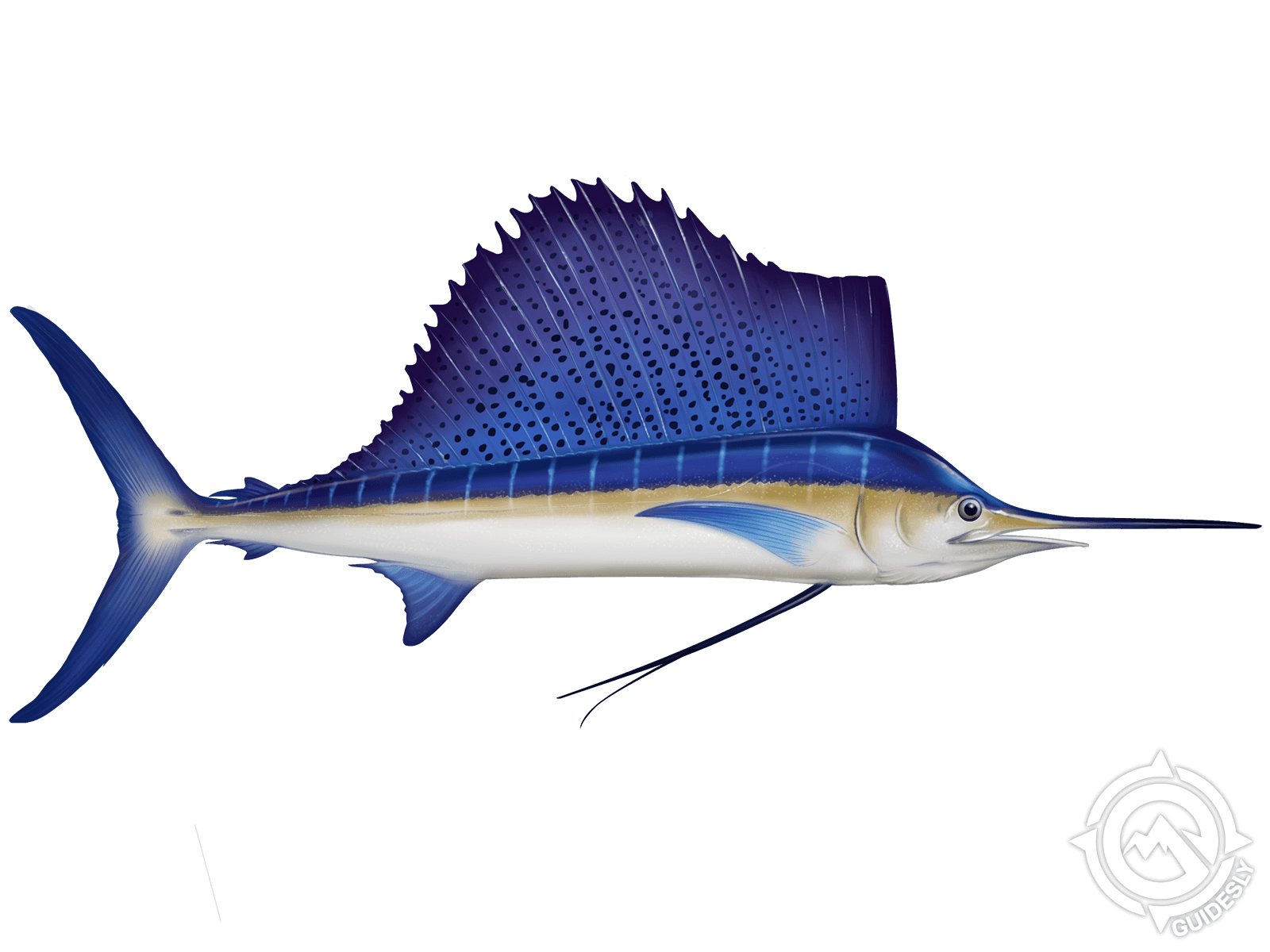
 Atlantic Sailfish
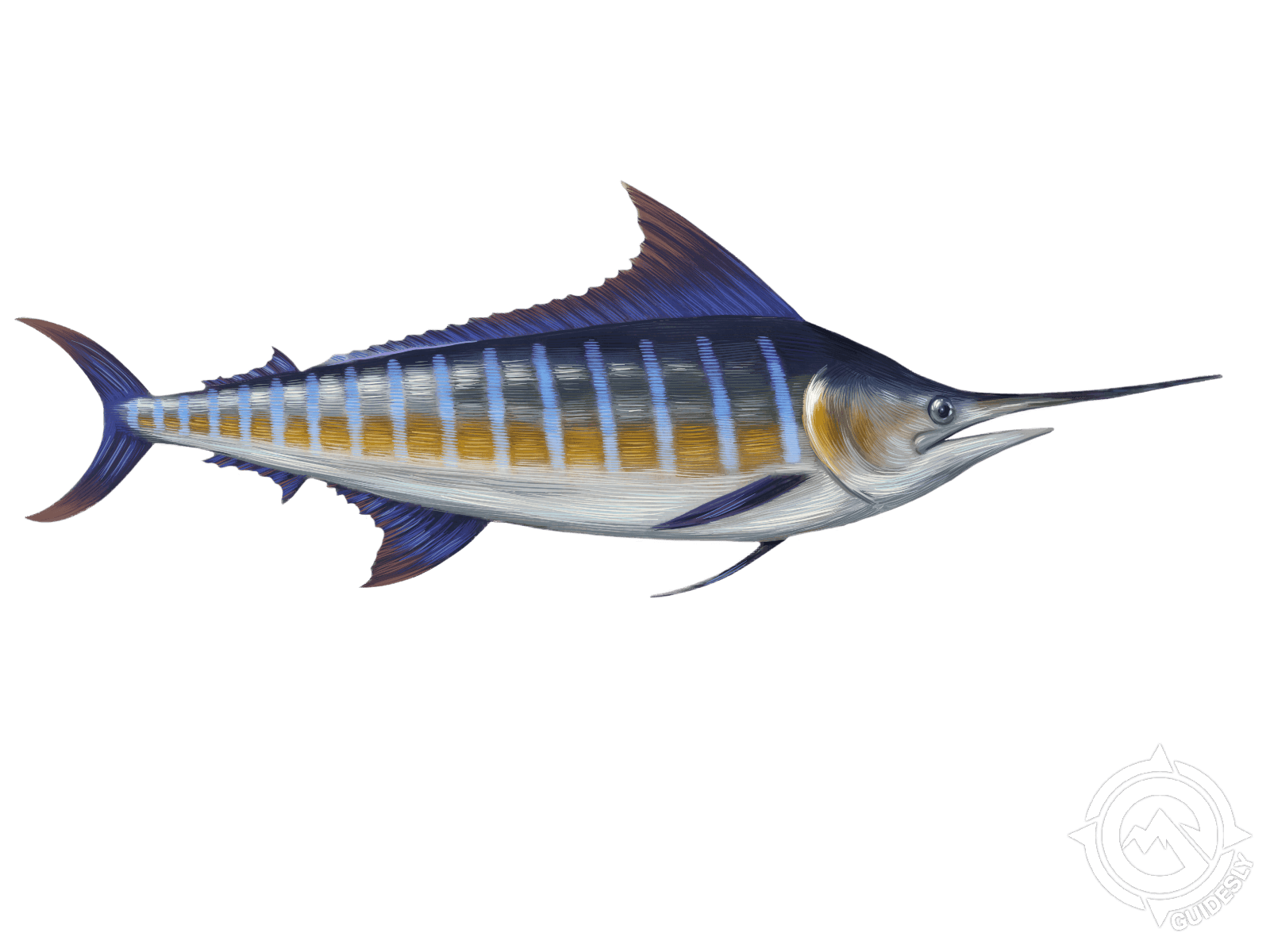
 Blue Marlin
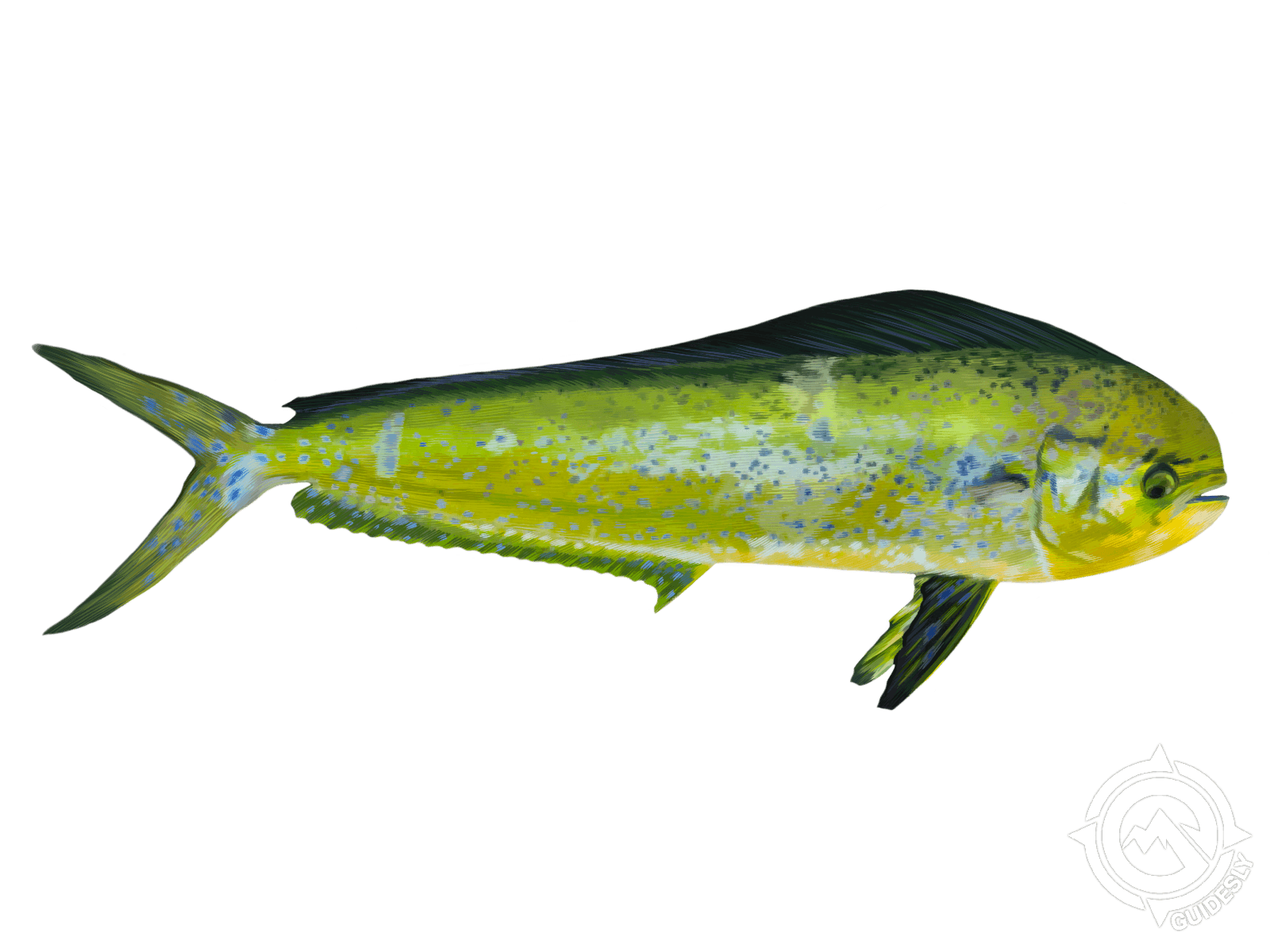
 Mahi Mahi or Common Dolphinfish
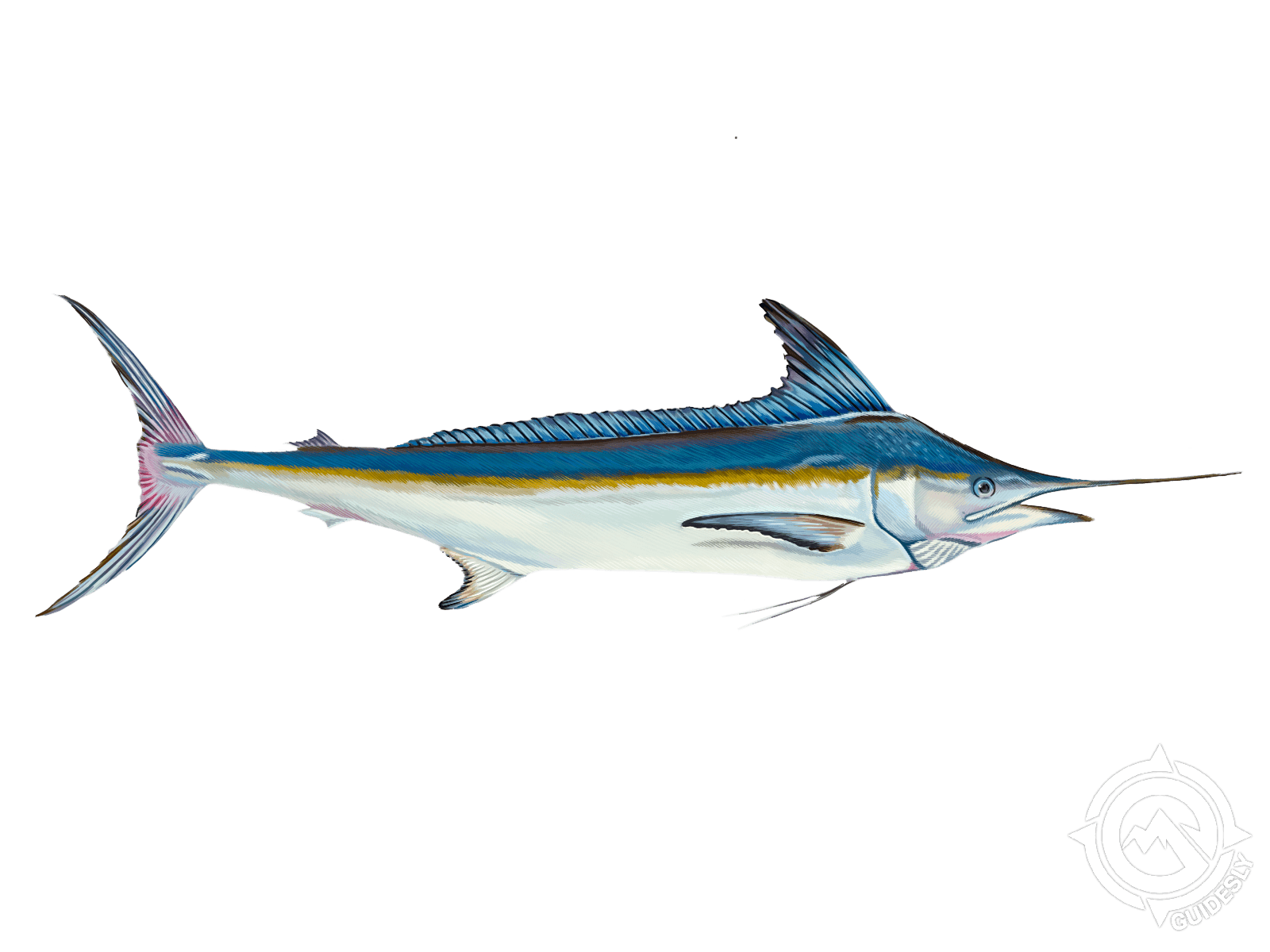
 White Marlin
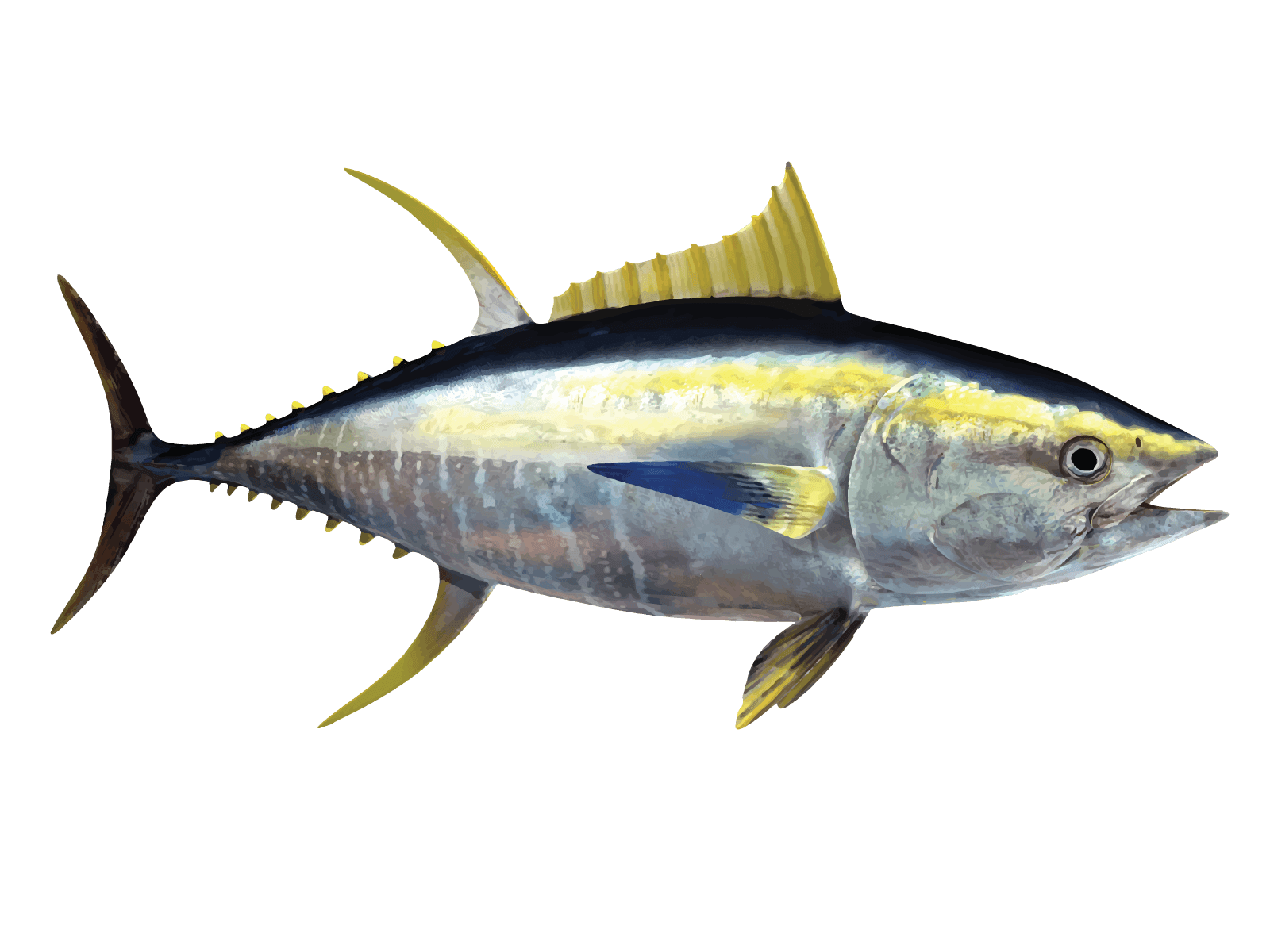
 Yellowfin Tuna
- Join Captain SuFishNSea for a 4-hour offshore fishing adventure starting at 7 a.m. You'll use rod and reel to target multiple species in deeper waters, with our experienced captain right there to guide your technique and help you land fish. This is hands-on fishing where you'll learn proper offshore methods while going after bigger catches than you'd find closer to shore. The early start means calmer seas and active fish. If weather doesn't cooperate, you get a full refund or can switch to an inshore trip instead. Small group of just 4 anglers max, so you get plenty of personal attention and space to fish properly.
Trip Pricing and Availabilities:
4hr Offshore Fishing Trip with SuFishNSea
When the alarm goes off at dawn and you're pulling out of the marina at 7 a.m., you know you're in for something special. This isn't your typical weekend fishing trip – we're talking about four hours of serious offshore action where the water runs deep blue and the fish fight like they mean it. Our captain knows these waters like the back of his hand, and with only four spots available, you're getting the kind of personal attention that makes all the difference between telling fish stories and actually landing the fish.
What to Expect on the Water
Picture this: you're cruising out past the continental shelf where the water changes from green to that deep cobalt blue that gets every angler's heart pumping. The early morning start isn't just about beating the crowds – it's when the fish are most active, and the conditions are usually at their calmest. With our expert captain right beside you, you'll learn the nuances of offshore fishing that separate the weekend warriors from the serious anglers. The rod and reel technique we use demands skill and patience, but when you feel that first screaming run, you'll understand why offshore fishing becomes an obsession. Weather can be unpredictable out there, so we keep things flexible – if Mother Nature isn't cooperating, you can choose a full refund or switch to an inshore adventure instead.
Trolling Techniques & Gear
Offshore fishing is all about covering water and presenting the right bait at the right depth. We'll be trolling with a spread of lures designed to mimic the baitfish that pelagic species can't resist. The captain will set you up with medium to heavy tackle that can handle anything from a bull mahi to a white marlin that decides to go airborne. You'll learn how to read the water, watch for bird activity, and recognize the subtle signs that indicate fish are nearby. The technique involves letting the boat do most of the work while you stay ready for that telltale tap or screaming drag. When a fish hits, the real work begins – pumping and winding, keeping steady pressure, and learning how to fight fish that are stronger and faster than anything swimming in freshwater.
Top Catches This Season
Atlantic Sailfish are the crown jewel of offshore fishing, and for good reason. These acrobatic fighters average 6-8 feet and put on a show that'll have you reaching for your phone to capture their spectacular jumps. Peak season runs from December through April, when they migrate through in impressive numbers. What makes them special isn't just their size – it's the way they fight, leaping clear out of the water and tail-walking across the surface like they're showing off.
Blue Marlin represent the ultimate offshore challenge. These apex predators can exceed 500 pounds and are built like underwater missiles. They're most active during the warmer months, and when one decides to eat your bait, you'll know it immediately. The initial run can peel off hundreds of yards of line in seconds, and the fight that follows will test every muscle in your body. Landing a blue marlin is a bucket-list achievement that most anglers dream about their entire lives.
Mahi Mahi, or common dolphinfish, are the perfect combination of beautiful and delicious. Their brilliant gold and green colors fade quickly after landing, so you'll want to admire them while they're still vibrant. They travel in schools and are incredibly aggressive feeders, often providing multiple hookups when you find them around floating debris or weed lines. They're also excellent table fare, making them a favorite among anglers who like to eat their catch.
Yellowfin Tuna are the sprinters of the offshore world, capable of reaching speeds over 40 mph. These powerful fish average 30-80 pounds in our waters and are prized both for their fighting ability and their sashimi-grade meat. They often feed in the early morning hours, making our 7 a.m. departure time perfect for intercepting them during their most active period. The fight is characterized by long, powerful runs that will test your endurance and the drag system on your reel.
White Marlin are smaller than their blue cousins but no less spectacular when hooked. Averaging 50-70 pounds, they're known for their aerial displays and stubborn fighting style. They're most commonly encountered from late spring through early fall, and their smaller size makes them more manageable for anglers who want to experience marlin fishing without the extreme physical demands of fighting a giant blue.
Time to Book Your Spot
Four hours might not sound like much, but when you're fighting world-class gamefish in deep water, it's plenty of time to create memories that'll last a lifetime. The early morning timing means you'll be back at the dock before the afternoon heat sets in, with the rest of your day free to recover and relive the action. With only four anglers per trip, you're guaranteed personal attention from our captain and plenty of opportunities to get on the rod. Don't let this top-rated offshore experience pass you by – reserve your spot today and discover why serious anglers consider offshore fishing the ultimate test of skill and endurance.
Learn more about the species
Atlantic Sailfish
Atlantic sailfish are one of the most thrilling fish you'll encounter offshore. These spectacular billfish average around 50 pounds and 7.5 feet, with that iconic dorsal fin they use to herd baitfish. They're blazing fast - some say 68 mph but it's probably closer to 25-35 mph in the water. You'll find them in the top 30-65 feet over warm water, usually 70-83°F. They love hunting schools of sardines and mackerel near the surface. What makes them special is their amazing fight - they'll jump, dive, and put on an aerial show that'll get your heart pumping. Plus they can change colors from blue to black when excited. Here's a tip: when trolling, keep your boat moving slow and let that bait swim naturally. When they hit, let them run before setting the hook firm.
Blue Marlin
Blue marlin are the giants of the billfish world and the ultimate offshore challenge. Females can reach over 1,000 pounds while males rarely exceed 350 pounds. These powerful fish cruise the warm waters along the equator in depths from surface down to several hundred feet. They're built for power with that massive bill and torpedo-shaped body. What makes them special is their raw strength and those famous acrobatic jumps when hooked. The meat is firm but high in mercury, so most anglers practice catch and release. They're migratory, so timing matters - warmer months usually bring better action. You'll need heavy tackle because these fish will test every piece of gear you own. My tip: when trolling, use that industrial-grade equipment and don't rush the fight. Let the fish tire itself out with those big runs.
Mahi Mahi or Common Dolphinfish
Mahi mahi are hands-down one of the most fun fish to catch and eat. These colorful beauties average 15-29 pounds but can hit 87 pounds. They're surface dwellers that love hanging around floating debris, weed lines, and any structure in warm water. What makes them awesome is that amazing color show - bright gold, blue, and green that changes as they fight. They're strong swimmers with serious stamina, so expect a solid battle. The meat is fantastic - mild, sweet, and firm texture that grills perfectly. They spawn year-round and grow fast, making them a sustainable choice. You'll find them in the upper water column, usually in tropical and subtropical waters. Here's my go-to trick: look for frigate birds working debris piles. Troll ballyhoo or squid strips and make that bait skip on the surface to mimic flying fish.
White Marlin
White marlin are the smaller, scrappier cousins of blue marlin but they pack just as much fight. They average around 180 pounds and 9 feet, with that classic billfish attitude. These apex predators cruise deep open waters in tropical and temperate zones, often near underwater canyons and drop-offs. They're constantly moving to breathe, making trans-Atlantic journeys. What guests love is their aggressive strikes and acrobatic jumps - they'll put on a show when hooked. They hunt by diving down and using that bill to stun schools of flying fish, small tuna, and mahi. The fight is technical and demanding. They're smart hunters, so you need patience. Here's the key: when trolling ballyhoo, don't watch the bait - watch the water around it. They strike like thieves and when they hit, let them run with it before setting the hook.
Yellowfin Tuna
Yellowfin tuna are pure muscle and speed - these torpedo-shaped fighters can hit 50 mph and average around 60 pounds, though they can reach 440 pounds. You'll find them in the top 330 feet of warm offshore waters year-round. What makes them special is that they're warm-blooded, which gives them incredible endurance for long fights. The meat is outstanding - prized for sushi and grilling steaks. They travel in schools and are constantly on the move, feeding on whatever baitfish are around. The fight is relentless - they'll make long, powerful runs that'll test your drag and your arms. They spawn from May through August in the Gulf, with prime fishing in summer months. Here's a solid tip: when you mark fish deep but surface baits aren't working, bring in your trolling spread and start jigging. Sometimes that's the only way to get them to commit.
About the Center Console Boat
%2F%2Fusers%2F22ec3c8f-3e67-4dd1-a9d1-67fa97781b18%2Fvehicle_picture%2Fimg_3371-mm87r61b.jpeg&w=1920&q=75)
Vehicle Guest Capacity: 4
Manufacturer Name: Yamaha
Maximum Cruising Speed: 42
Number of Engines: 2
Horsepower per Engine: 300