Tarpon Fishing in San Juan - Inshore Adventure
Tarpon Fishing in San Juan - What to Expect
5.0

1 Review
- 5
 100%
- 4
 0%
- 30%
- 20%
- 10%

Fishing Charter by Captain Luis Garcia in October
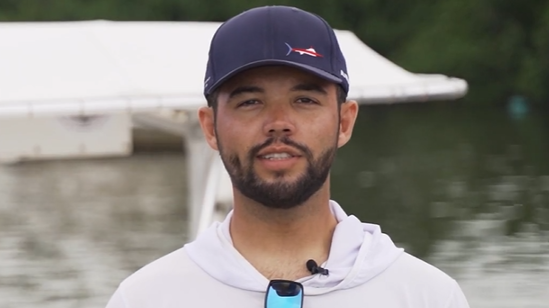
- Get Reel With The Top San Juan Fishing Charters


Summary
Join a fishing charter in San Juan this Sunday in October to pursue tarpon and local species across scenic inshore waters. Captain Luis Garcia of FishNSea Charters guides up to 3 anglers through prime fishing grounds, combining proven techniques with personalized instruction. Whether you're refining your skills or building confidence, this 6-hour inshore fishing charter delivers both action and learning in one of Puerto Rico's most distinctive fishing destinations.
Inshore Fishing with Luis Garcia - Rates & Booking
Captain Luis Garcia of FishNSea Charters welcomes anglers aboard on Sunday, October 19th for 6 hours of immersive inshore fishing across San Juan's most productive waters. This fishing charter accommodates up to 3 anglers of any skill level, making it ideal for solo adventurers, pairs, or small groups looking to maximize their time on the water. All tackle and equipment are provided, so you'll arrive ready to fish without worrying about gear logistics.
The captain brings decades of local expertise to every outing, sharing insider knowledge about seasonal patterns, productive techniques, and the nuances of pursuing tarpon and other inshore species. Beginners receive hands-on guidance to build confidence with casting, retrieval, and fish handling. Experienced anglers benefit from personalized coaching on reading conditions and refining their approach to changing water dynamics. Book your spot today to secure your place on this distinctive San Juan fishing adventure.
Highlights of The Long Cast Chapter: A Deeper Look at San Juan's Inshore Waters
This inshore experience moves beyond surface-level fishing. Rather than rushing through multiple locations, the 6-hour format allows time to settle into the rhythm of the fishery, work different promising spots, and genuinely connect with the water and conditions. The captain's personalized techniques evolve throughout the day, adapting to what the fish are telling you and how environmental factors shift. Between productive fishing windows, you'll absorb the coastal scenery that defines Puerto Rico's tropical character - the interplay of light on turquoise water, the distant shoreline of historic San Juan, and the unique marine ecosystem of these inshore grounds.
Tarpon represent one of San Juan's most prized inshore species, and pursuing them creates a distinct rhythm on the water. These powerful fish demand focus, patience, and precision casting. The experience rewards both technical skill and intuition, making every connection meaningful whether or not the hook sets.
Local Species Insights: Tarpon
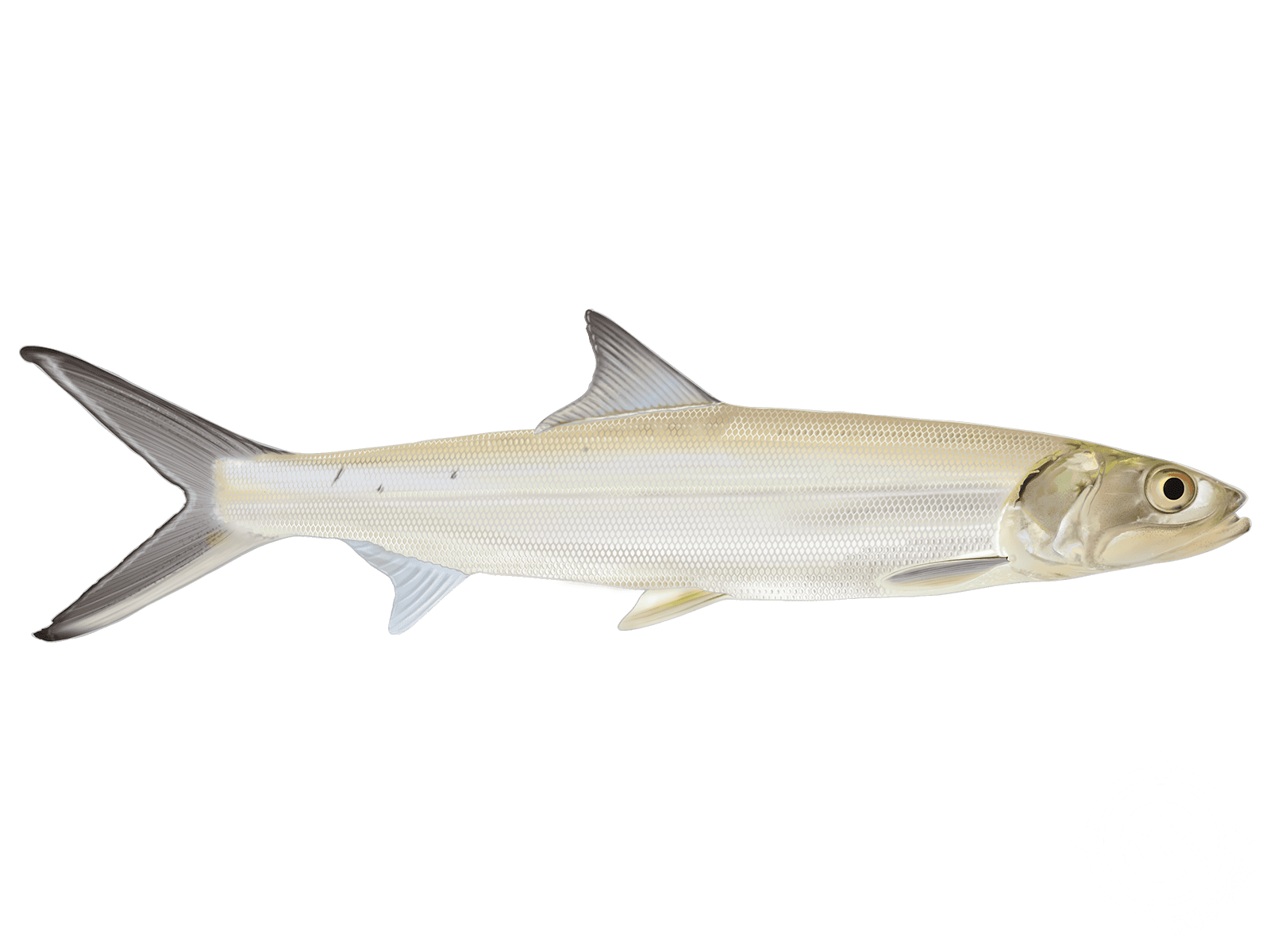
Tarpon are the silver ghosts of inshore waters, commanding respect through their size, strength, and elusive behavior. These prehistoric-looking fish can exceed 150 pounds in San Juan's productive zones, making them one of the most sought-after challenges for visiting and local anglers. Tarpon are air-breathers, often rolling at the surface as they gulp oxygen - a visual cue that skilled captains use to locate feeding fish. They inhabit shallow flats, channels, and structure-rich areas where they hunt smaller baitfish.
What makes tarpon fishing distinctive is the combination of athleticism and strategy required. Sight-casting to visible tarpon demands stealth and precise presentation. The fish respond to specific conditions - tide height, light penetration, water temperature, and baitfish activity all influence their feeding windows. Once hooked, tarpon are legendary for aerial displays and explosive runs that test both tackle and angler composure. Captain Garcia understands these behavioral patterns intimately, positioning the boat where tarpon congregate and timing presentations to coincide with peak activity.
The San Juan inshore ecosystem supports healthy tarpon populations due to abundant forage, suitable habitat, and relatively protected waters. Throughout the year, different species come into play alongside tarpon - permit, jacks, snappers, and other game fish create a diverse fishery that keeps every outing fresh and engaging. The captain's ability to adapt targets based on conditions means you're always pursuing what's actively feeding and available that day.
Plan Your Fishing Day
Arrive at the San Juan launch ready for 6 hours on the water with Captain Luis Garcia. The charter accommodates up to 3 anglers, so you'll enjoy personalized attention and a manageable pace. All fishing tackle, rods, and equipment are included - bring sunscreen, polarized sunglasses, and water to stay comfortable throughout the session. The captain handles rigging, provides technique coaching, and manages boat positioning while you focus on casting and reading the water.
Fishing conditions in San Juan vary by tide cycle, time of year, and weather. The captain monitors these factors continuously, moving between shallow flats, deeper channels, and structure-rich areas to maximize your opportunities. Whether pursuing tarpon specifically or remaining flexible with other inshore species, the strategy remains the same - work promising water methodically, refine your approach based on what you're seeing, and stay alert for the strike.
Fishing in San Juan: Tarpon
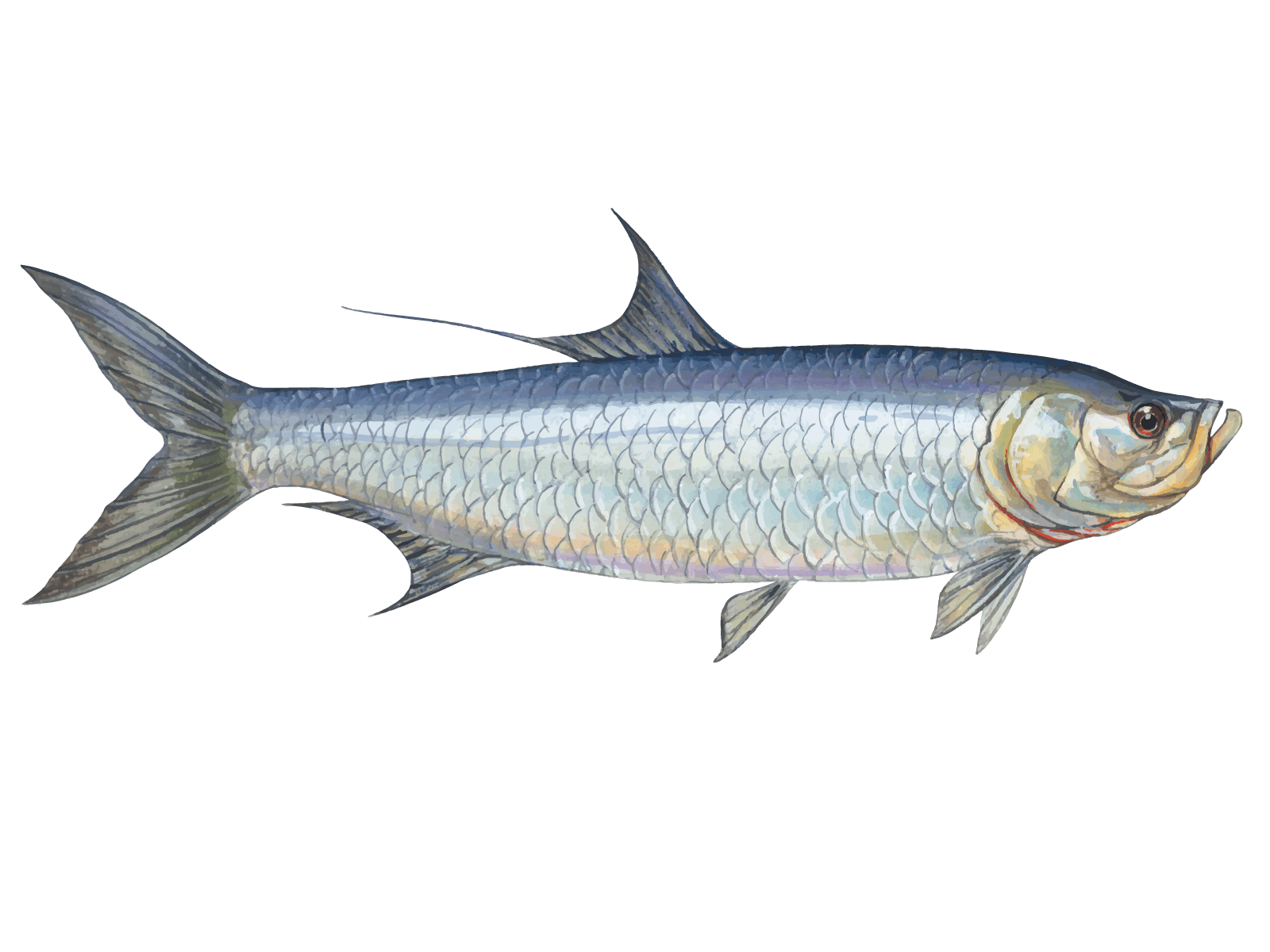
The Tarpon (Megalops atlanticus) from the family Megalopidae and order Elopiformes is arguably the most thrilling gamefish you'll encounter in warm coastal waters. Known as the "Silver King," these prehistoric giants are distinguished by their massive silver scales, elongated dorsal fin, and that unforgettable upward-pointing mouth that can unhinge like a bucket. What makes them legendary among anglers isn't just their impressive size, but their incredible acrobatics - launching up to 10 feet out of the water in spectacular aerial displays that'll have you questioning if you're fishing or watching a marine circus performance.
Tarpon Overview
These magnificent fish represent the ultimate challenge for serious anglers, combining raw power with athletic prowess that's been honed over 125 million years of evolution. They're primarily found along the western Atlantic coast from Virginia down to Brazil, with the heaviest concentrations in South Florida and the Gulf of Mexico. What draws fishing enthusiasts from around the world is their unique combination of size, fight, and accessibility - you can hook into a 100-pound fish in just a few feet of water on the flats, making for an incredibly visual and exciting angling experience.
Tarpon Habitat and Distribution
These adaptable fish thrive in a variety of environments, from shallow grass flats and mangrove creeks to deeper channels and harbor areas. They're equally comfortable in saltwater and brackish environments, often venturing into rivers and estuaries. The Florida Keys remain the epicenter of the fishing world, particularly around Islamorada, Marathon, and Key West, where the fish congregate in massive schools during their seasonal migrations. Key spots include the deeper moats around smaller keys, the edges of flats, and major channels cutting through the backcountry. During summer months, they can be found as far north as New England, while winter sees them concentrated in South Florida and Central America.
Tarpon Size and Weight
Most specimens you'll encounter range from 48 to 96 inches in length, typically weighing between 25 and 63 pounds, though the species can grow much larger. Adult fish commonly reach 4 feet and 80-100 pounds, but true giants can stretch up to 8 feet and weigh an incredible 280 pounds. Their thin bodies are covered in large, flat scales that create that distinctive silver flash underwater. The impressive size comes with age - a 100-pound fish is likely between 13-16 years old, making catch-and-release practices crucial for maintaining healthy populations.
Tarpon Diet and Behavior
As strict carnivores, they hunt mid-water baitfish with remarkable efficiency, swallowing smaller prey whole and using their speed to ambush schools of mullet, sardines, and crabs. Their unique ability to gulp air at the surface gives them a predatory advantage in low-oxygen environments, allowing them to thrive where other gamefish struggle. During the day, they often stack up in deeper holes or under bridges, becoming more active during dawn and dusk feeding periods. Their behavior varies seasonally - spring and summer months bring the famous migrations and spawning activity, while cooler months see them in deeper, more protected waters.
Tarpon Spawning and Seasonal Activity
Spawning occurs offshore in warm, secluded areas during late spring through late summer, typically coinciding with new or full moon cycles. Females release up to 12 million eggs in a spectacular broadcast spawning event, with the transparent, ribbon-like eggs floating on the surface. After hatching, juveniles remain in shallow nursery areas until reaching maturity at 7-13 years old. The seasonal migrations bring massive schools through prime fishing areas, with spring arrivals in the Keys often numbering in the thousands, creating some of the most exciting angling opportunities anywhere in the world.
Tarpon Techniques for Observation and Capture
Live bait fishing with shrimp, pinfish, mullet, or crabs remains the most effective approach - stake out above known holding areas and drift your bait down to the fish. A 5000-7000 size spinning reel paired with a medium-weight rod provides sufficient power without being cumbersome. For the ultimate challenge, fly fishing on the shallow flats using patterns like the Black Death, Tarpon Toad, or Purple People Eater on a 10-weight rod creates heart-stopping visual encounters. Around the Florida Keys, focus on the edges of flats during moving tides, particularly early morning and late afternoon when the fish are most active. The key is patience and being ready for that explosive strike - when it happens, hold on tight and prepare for an aerial show that'll last in your memory forever.
Tarpon Culinary and Utilization Notes
While technically edible, these fish are rarely kept for the table due to several factors. Their flesh contains high mercury levels and has a tough, bony texture that makes preparation challenging. The meat is white and flaky with a mild, somewhat oily flavor, but the numerous small bones make it impractical for most cooking methods. More importantly, their slow growth rate, late maturity, and threatened population status make catch-and-release the ethical choice. The real value lies in the incredible fishing experience they provide - the fight, the jumps, and the story you'll tell for years to come are worth far more than any meal.
Tarpon Frequently Asked Questions
Q: What is the best bait for Tarpon fishing?
A: Live bait works best - large shrimp, pinfish, mullet, and blue crabs are all excellent choices. Hook crabs through the corner of the shell and baitfish through the mouth. Fresh cut bait can also be effective, especially mullet and sardines.
Q: Where can I find Tarpon near the Florida Keys?
A: Focus on the channels between keys, deeper moats around smaller islands, and the edges of grass flats. Popular spots include Islamorada's backcountry, the Seven Mile Bridge area near Marathon, and the flats around Key West. Harbor areas and bridges often hold fish during the day.
Q: Is Tarpon good to eat?
A: While edible, they're not recommended for consumption due to high mercury levels, tough flesh, and numerous bones. More importantly, these slow-growing fish are crucial to maintain in the ecosystem, making catch-and-release the preferred practice among responsible anglers.
Q: When is the best time to catch Tarpon?
A: Peak season runs from March through July in South Florida, with May and June typically offering the best action. Fish during moving tides, particularly early morning and late afternoon. New and full moon periods often provide the most activity.
Q: How big do Tarpon get and how old do they live?
A: Common sizes range from 4-6 feet and 80-100 pounds, but giants can reach 8 feet and 280 pounds. They're incredibly long-lived, with lifespans exceeding 50 years. A 100-pound fish is typically 13-16 years old, highlighting the importance of release practices.
Q: What tackle do I need for Tarpon fishing?
A: A 5000-7000 size spinning reel with smooth drag, paired with a medium-heavy rod, handles most situations. Use 30-50 pound braided line with a fluorocarbon leader. The reel must be corrosion-resistant and have enough capacity for long runs - these fish can strip hundreds of yards of line in seconds.
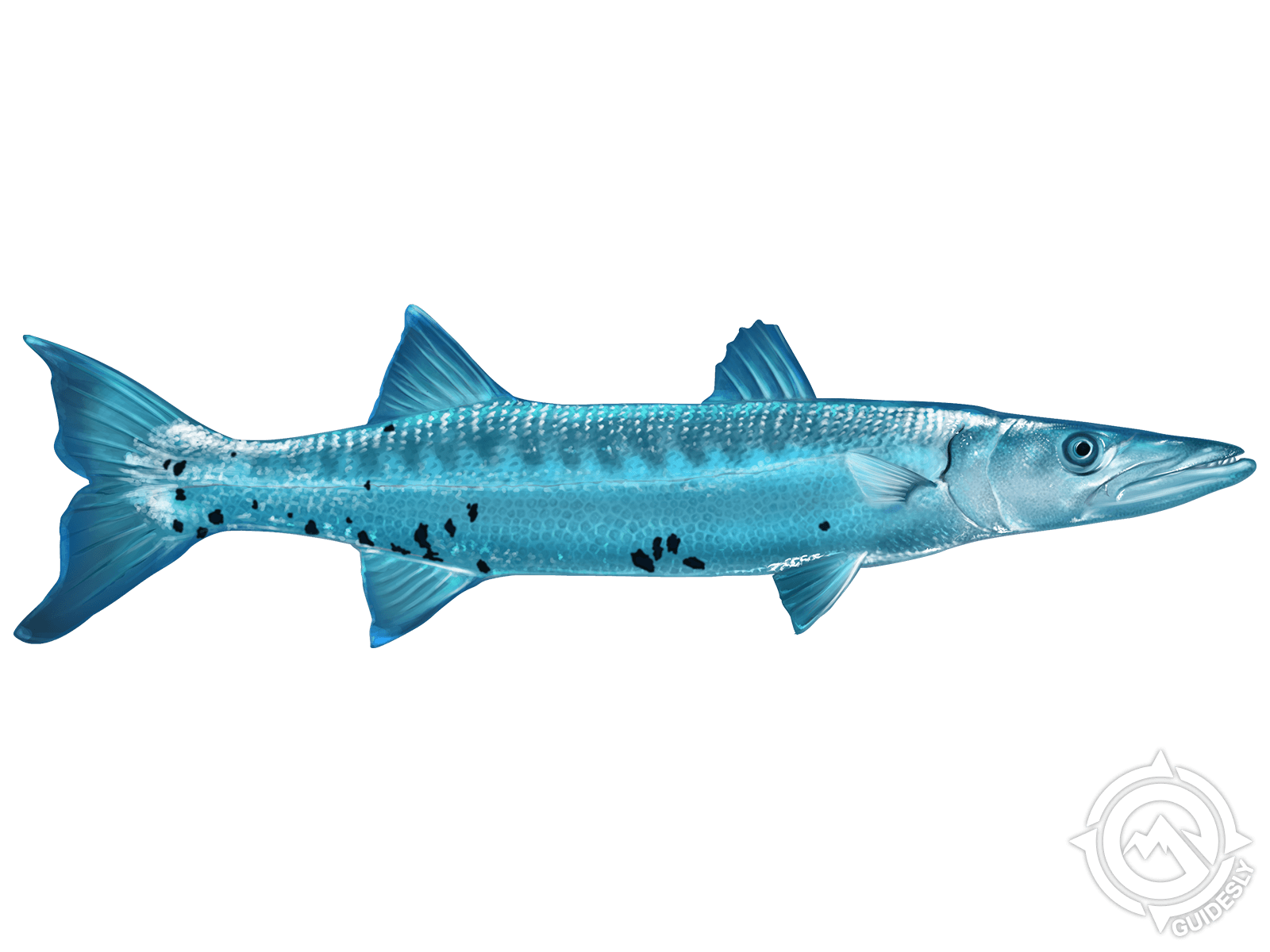
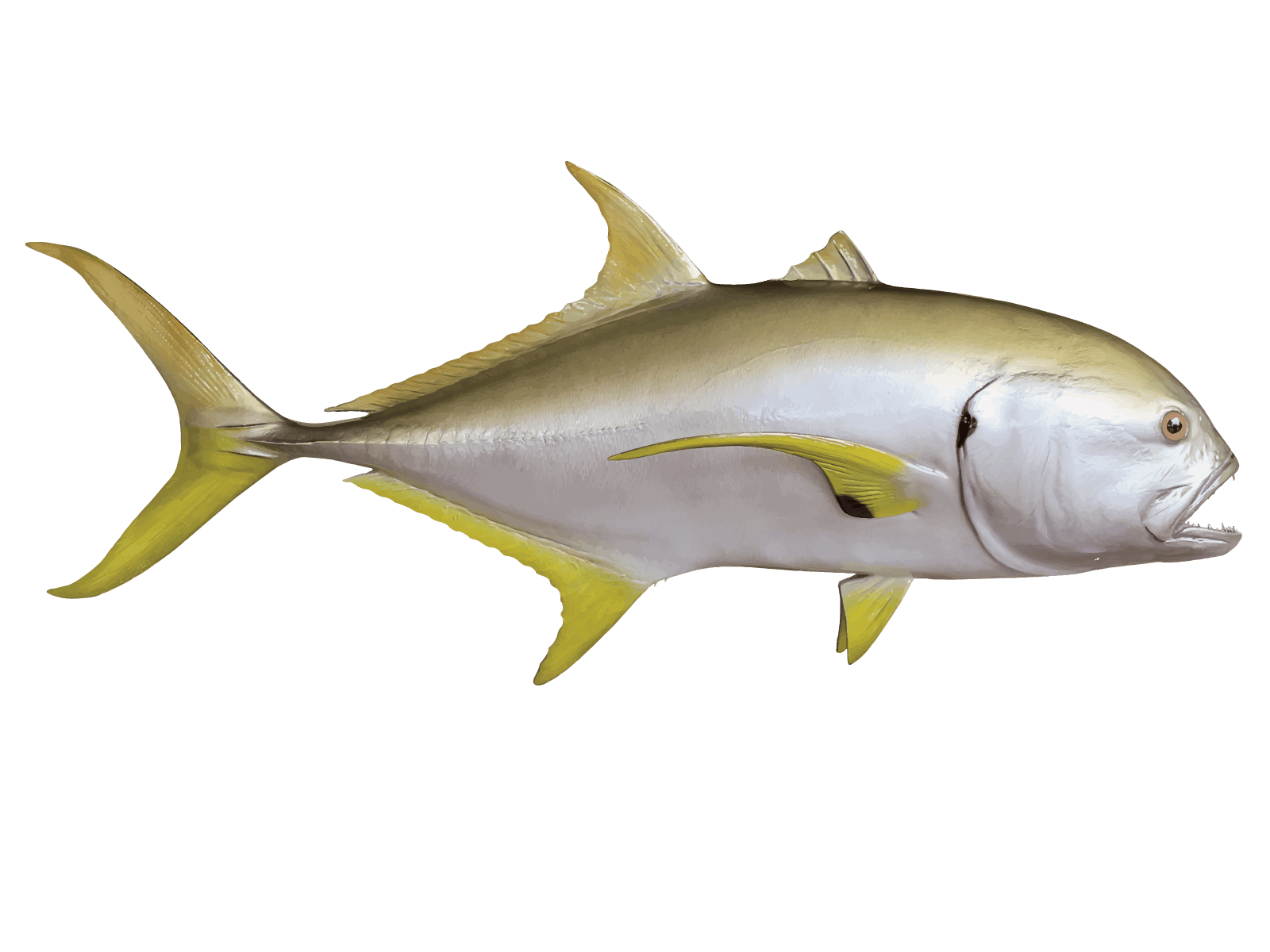
More species you can explore on this trip
Other customer memories from this trip
Step aboard and you'll find a well-equipped fishing boat set up specifically for inshore work around San Juan. The vessel features comfortable seating forward and open deck space designed for casting without interference. Rod holders are positioned strategically along the rails, keeping tackle organized and accessible throughout the session. The captain's command center provides good visibility across shallow water and flats where tarpon hunt. Shade from the hardtop offers relief during intense sun exposure, while water storage and basic amenities keep anglers comfortable during the 6-hour session. The boat's draft allows access to shallow flats where tarpon congregate, yet it handles open water transitions smoothly. Overall setup prioritizes functionality and comfort - nothing flashy, just practical design that serves serious anglers pursuing productive inshore fishing.