Yellowfin Tuna Fishing in San Juan PR
Yellowfin and Skipjack Tuna in San Juan - What to Expect

Fishing Charter by Captain Luis Garcia in November
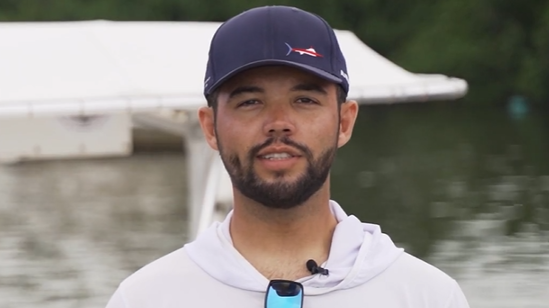
- Get Reel With The Top San Juan Fishing Charters


Summary
Head out on a fishing charter in San Juan with Captain Luis Garcia of FishNSea Charters for an action-packed Saturday in October. You'll be targeting yellowfin and skipjack tuna in some of the most productive waters off Puerto Rico. This is the kind of experience where the day moves fast, the lines stay tight, and you head back with a cooler full of incredible fish.
Fishing Charter with Luis Garcia - Rates & Booking
Captain Luis Garcia of FishNSea Charters took these anglers out on Saturday, October 17th for an unforgettable day on the water in San Juan. This is the kind of fishing charter where things click - the crew knows where the fish are, the tackle is dialed in, and you're ready to put some serious tuna in the boat.
When you book a fishing charter in San Juan with FishNSea Charters, you're getting access to local expertise and proven methods. Captain Luis has spent years learning the waters off Puerto Rico and knows exactly when and where to find yellowfin and skipjack tuna. The fishing here isn't about luck - it's about technique, timing, and being in the right spot.
To book your charter or learn about rates and what's included, reach out to FishNSea Charters directly. They'll walk you through the details, help you pick the right day, and make sure you're set up for success. Whether you're an experienced angler or picking up a rod for the first time, there's something special about landing a tuna off the coast of San Juan.
Highlights of Tuna Fishing in San Juan
The highlight of any good tuna day is the moment you hook up. These fish don't mess around - they fight hard, they run fast, and they demand everything you've got in your arms. Yellowfin tuna are built for speed and power, and skipjack tuna are right there with them. When you're locked in with one of these fish, everything else disappears. It's just you, the rod, and several hundred pounds of pure fish.
What makes San Juan such a fantastic spot for tuna is the combination of deep water close to shore and nutrient-rich currents that bring baitfish into the zone. You get that offshore productivity without needing to spend hours in the boat to reach fishing grounds. That means more time actually fishing and less time running out to the grounds.
Local Species Insights: Yellowfin and Skipjack Tuna
Yellowfin tuna are one of the most sought-after game fish in the Atlantic and Caribbean. These are built-to-last fish - they can live over 20 years and grow to impressive sizes. In San Juan waters, you'll find yellowfin ranging from 30 to over 100 pounds on a good day. They're fast, aggressive hunters that chase baitfish in the open ocean, and they'll smash a trolled lure or live bait without hesitation.
Skipjack tuna are smaller cousins to the yellowfin, usually running in the 15 to 40-pound range. They're just as energetic and are famous for their aerial displays when hooked. Both species share a preference for similar waters - deeper offshore zones where the temperature is right and the baitfish are schooling up.
The reason these fish end up on the same boat on the same day is simple - they hunt in the same areas. When conditions are right off San Juan, you'll find mixed schools of yellowfin and skipjack working the same current lines and bait concentrations. That's when a good charter day becomes a great one.
These tuna are nomadic fish, always moving to follow their food sources. They don't stick to one spot, which is why knowing how to read the water - understanding where the baitfish are, where the temperature breaks exist, and where the currents converge - matters so much. Captain Luis and his crew have that knowledge locked in, and it shows in results like the one in this photo.
From a fishing perspective, both yellowfin and skipjack respond well to trolling with artificial lures, live baitfish, and chunking. The key is covering water and staying in areas where these species are known to feed. San Juan's location puts you right in the path of regular tuna migration routes and year-round populations, making it one of the more reliable places to connect with these fish in the Caribbean.
Fishing in San Juan: Yellowfin Tuna and Skipjack Tuna
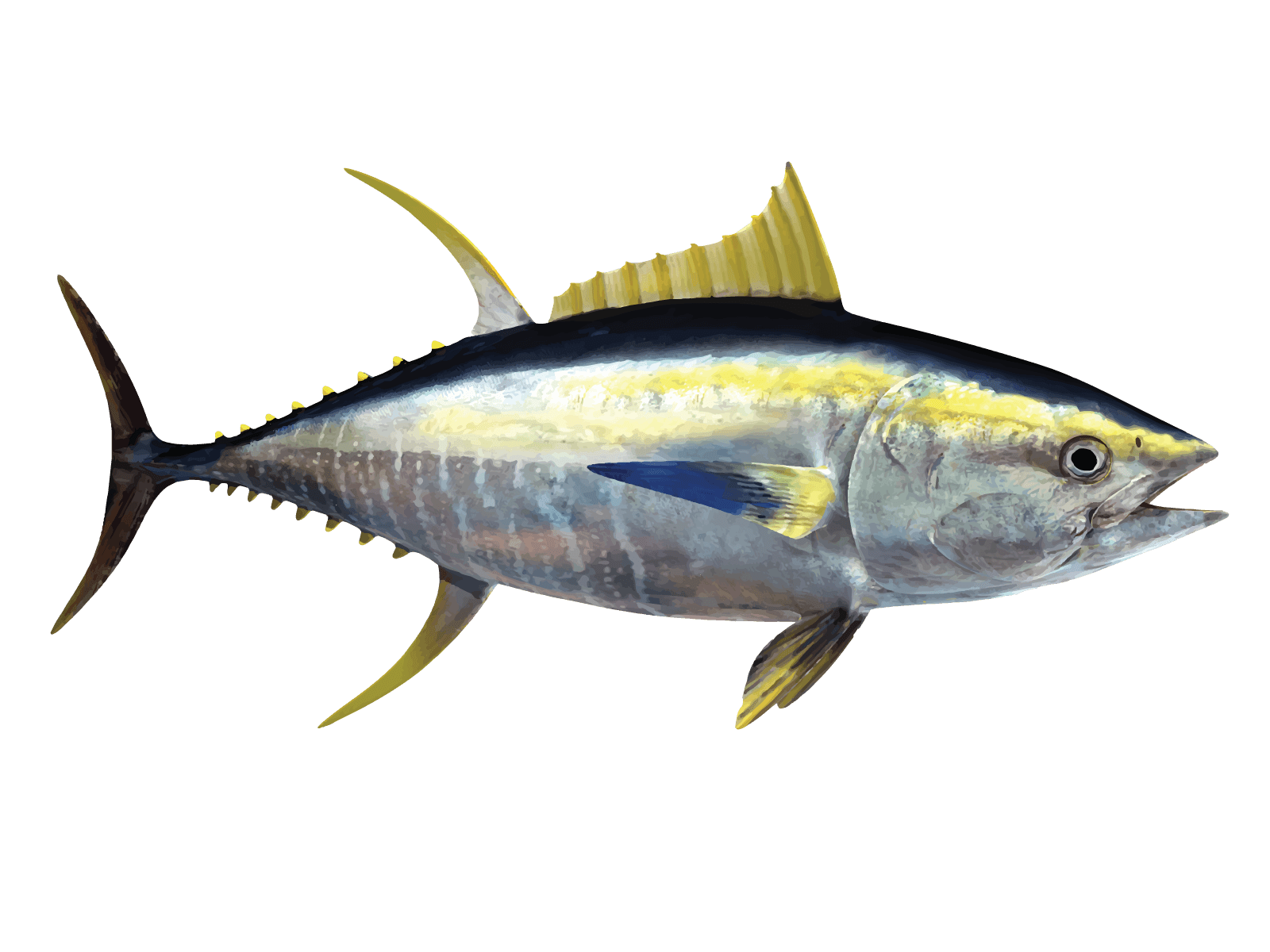
Yellowfin Tuna Overview
The Yellowfin Tuna, scientifically known as Thunnus albacares, belongs to the family Scombridae and order Perciformes. This stunning pelagic fish is instantly recognizable by its brilliant yellow coloring on the tail, dorsal fin, and anal fin, contrasting beautifully with its dark metallic blue back and silver belly. Often called "Ahi" in Hawaiian and Japanese culinary circles, the Yellowfin is a warm-blooded powerhouse that commands respect among offshore anglers and seafood enthusiasts alike. Found throughout tropical and subtropical oceans worldwide, this species represents one of the most exciting and rewarding catches available to modern sport fishermen, offering both the thrill of the fight and the exceptional quality of the final meal.
Yellowfin Tuna Habitat and Distribution
Yellowfin tuna thrive in tropical and subtropical waters across the Pacific, Indian, and Atlantic Oceans, with populations ranging as far north as Massachusetts during summer months. These highly migratory fish are typically found in the upper 330 feet of the water column, known as the pelagic zone, where they cruise in search of prey. They concentrate in areas with rich baitfish populations and favorable water temperatures, often congregating around underwater structures, continental shelves, and areas of upwelling. In the United States, significant populations support fisheries along the coasts of California, the Carolinas, and throughout the Gulf of Mexico, making these regions prime destinations for anglers pursuing this species year-round.
Yellowfin Tuna Size and Weight
Yellowfin tuna display impressive size ranges that vary by population and age. While these fish can reach massive proportions—with some specimens exceeding 440 pounds—most recreational anglers land fish in the 40 to 150-pound range, with a typical catch weighing around 60 pounds. The body length typically ranges from 27 to 94 inches, giving anglers a wide spectrum of potential encounters. Younger fish may be significantly smaller, while truly trophy specimens are rare enough to be celebrated throughout fishing communities. The size variation means that anglers of different skill levels and tackle preferences can find appropriate challenges, whether targeting schooling smaller fish or pursuing the elusive giants that define offshore angling dreams.
Yellowfin Tuna Diet and Behavior
Known colloquially as "spawning and eating machines," Yellowfin tuna are aggressive predators with insatiable appetites that drive their constant activity throughout the water column. These fish primarily feed on smaller baitfish including herring, menhaden, blue runners, anchovies, and other small schooling species, constantly hunting and feeding throughout daylight hours. Their warm-blooded physiology—maintained by a specialized meshwork of tiny blood vessels called a rete mirabile around their muscles—allows them to maintain elevated body temperatures and operate effectively in cooler waters, giving them a significant metabolic and performance advantage over cold-blooded competitors. This warm-bloodedness enables their legendary speed of up to 50 miles per hour, making them explosively fast predators. Behaviorally, they are known for their explosive strikes, often erupting from the depths to annihilate surface lures and baits with tremendous force and energy.
Yellowfin Tuna Spawning and Seasonal Activity
Yellowfin tuna exhibit distinct spawning periods that vary by geographic region. In the Gulf of Mexico, these fish spawn from May through August, while populations in the southeastern Caribbean extend their breeding season from July through November. Outside these spawning windows, Yellowfin remain active year-round in their respective ranges, though seasonal movements and migration patterns influence their availability to anglers in specific locations. Their highly migratory nature means that understanding local seasonal patterns is essential for consistent fishing success. Many anglers time their offshore trips to coincide with peak activity periods when fish concentrate in traditional feeding and spawning grounds, increasing encounter rates and strike opportunities.
Yellowfin Tuna Techniques for Observation and Capture
Trolling and Spread Fishing: Setting up a productive trolling spread is the cornerstone technique for offshore Yellowfin pursuit. Anglers should rig ballyhoo, skirted trolling lures, cedar plugs, and spreader bars at varying depths and distances behind the vessel. This method covers significant water and allows fishermen to present multiple lure profiles and colors simultaneously. The key is maintaining proper boat speed—typically 7 to 12 knots depending on lure selection—and adjusting spread configuration based on water conditions and fish activity. Around popular offshore destinations, experienced charter captains can deploy productive spreads within 30 to 60 miles of shore where deeper water structure and baitfish concentrations attract feeding Yellowfin.
Jigging and Surface Plugging: When Yellowfin are marked on sonar at depth but showing reluctance to hit trolled offerings, switching to vertical jigging with metal jigs or soft plastics often triggers strikes. Cast jigging with topwater plugs represents perhaps the most thrilling approach—nothing compares to witnessing a Yellowfin explode through the surface to annihilate a popper or stick bait in a shower of spray and fury. This technique requires vigilance and quick reflexes but rewards anglers with heart-pounding encounters and memorable strikes that define offshore fishing stories.
Chunking and Live Bait: This proven technique involves chopping fresh baitfish and casting chunks overside to create an enticing slick that draws Yellowfin upward from deeper water. Match your chunking bait to what the fish are feeding on locally—herring, menhaden, and anchovies are consistently effective options. Live bait presentations using similar species on appropriate tackle can also produce excellent results, particularly when fish are feeding actively during dawn and dusk periods.
Yellowfin Tuna Culinary and Utilization Notes
The Yellowfin tuna holds exceptional status in both recreational and commercial fisheries for its outstanding culinary qualities. Known as "Ahi" in Japanese cuisine, this species ranks as a premier sushi and sashimi fish, prized for its firm texture and rich flavor profile. While Bluefin tuna commands premium prices at high-end restaurants due to its superior fat content, Yellowfin delivers exceptional quality at a fraction of the cost, making it the intelligent choice for seafood lovers and home chefs seeking excellent value and availability. The meat grills beautifully, maintaining firm texture and developing wonderful caramelization when seared properly, and it's equally delicious as poke, ceviche, or grilled steaks. Nutritionally, Yellowfin provides excellent protein, omega-3 fatty acids, and essential minerals, making it not only delicious but genuinely good for you. The species' sustainable availability—compared to declining Bluefin populations—makes it an environmentally conscious seafood choice that supports healthy ocean ecosystems.
Yellowfin Tuna Frequently Asked Questions
Q: What is the best bait and tackle setup for catching Yellowfin tuna?
A: Success with Yellowfin requires robust tackle rated for 30 to 80-pound class depending on target size, matched with fresh baitfish such as ballyhoo, mackerel, herring, or menhaden. Live bait presentations often outperform dead offerings, though rigged ballyhoo and skirted trolling lures remain highly effective and more convenient for extended offshore trips. Match your equipment to expected fish size and sea conditions.
Q: Where can I find Yellowfin tuna near major fishing destinations?
A: Yellowfin populations support fisheries throughout offshore waters of California, Hawaii, Florida, the Carolinas, and the Gulf of Mexico. Offshore structures, continental shelves, and areas 30 to 100 miles from shore typically hold productive concentrations. Charter boats operating from major fishing ports provide expert local knowledge about current productive zones and migration patterns.
Q: Is Yellowfin tuna good to eat and how should it be prepared?
A: Absolutely—Yellowfin ranks among the world's finest food fish. The flesh is firm, relatively lean compared to Bluefin, with mild to moderate flavor that accepts diverse preparation styles beautifully. Raw preparations like sushi and poke showcase delicate qualities, while grilling, searing, and smoking applications highlight the meat's versatility and appeal.
Q: When is the best season to catch Yellowfin tuna?
A: Yellowfin remain catchable year-round in most offshore regions, though seasonal peaks vary by location. Summer months typically bring increased activity and availability in northern waters, while tropical and subtropical zones maintain consistent populations. Research your specific target region's seasonal patterns or consult local charter operators for optimal timing.
Q: How fast can Yellowfin tuna swim and what makes them so powerful?
A: These remarkable fish reach speeds exceeding 50 miles per hour, powered by their warm-blooded physiology maintained through a specialized rete mirabile blood vessel system. This warm-bloodedness enables elevated muscle temperatures, enhanced oxygen utilization, and the explosive power that makes Yellowfin one of the ocean's most thrilling adversaries.
Q: What regulations should I know about when fishing for Yellowfin tuna?
A: US regulations vary by state, with season always open year-round. Some states like the Carolinas, Alabama, Louisiana, and Mississippi enforce a 27-inch curved fork length minimum, while others have no size restrictions. Bag limits similarly vary—typically 3 fish per angler per day in regulated states, with California allowing up to 10 fish of a single species within a 20-fish finfish bag limit. Always verify current regulations with your local fish and wildlife agency before your fishing adventure.
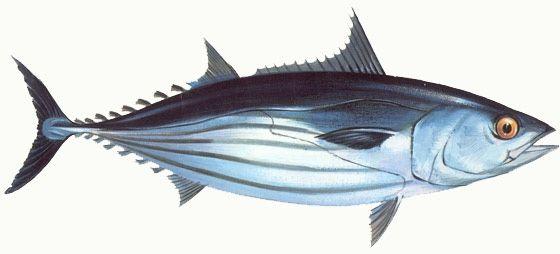
Skipjack Tuna Overview
The Skipjack Tuna (Katsuwonus pelamis), a member of the Scombridae family and classified in the order Perciformes, is one of the most recognizable and commercially important tuna species in the world. These sleek, torpedo-shaped fish are distinguished by their characteristic dark purple or blue backs, silver lower sides, and striking 4-6 vertical dark bands running along their bodies—a feature that gives them their distinctive appearance. What makes Skipjack particularly fascinating is their incredible abundance; they're the most commonly used tuna in the canned tuna industry, especially in canned light tuna products. Whether you're an offshore angler in Miami, a commercial fisherman, or simply curious about pelagic species, the Skipjack represents one of the ocean's most dynamic and prolific hunters.
Skipjack Tuna Habitat and Distribution
Skipjack Tuna thrive in tropical and sub-tropical waters across the Atlantic Ocean, Pacific Ocean, and Indian Ocean, with the highest concentrations found near the equator. These pelagic fish prefer temperatures between 15°F and 30°F and inhabit the open ocean far below the continental shelf. During the day, they typically descend to depths around 850 feet, but when feeding or at night, they swim near the surface where they're most accessible to anglers. The species is highly migratory, constantly on the move in search of food and optimal water conditions. They're often found schooling with juvenile Yellowfin and Bigeye Tuna, creating opportunities for anglers targeting multiple species simultaneously. Their wide distribution and preference for offshore environments make them a staple in tropical and temperate fisheries worldwide.
Skipjack Tuna Size and Weight
Skipjack Tuna are known for their rapid growth rates compared to other tropical tuna species. While they can reach maximum lengths of approximately 4 feet and weights up to 76 pounds, the average recreational catch typically ranges between 2 to 3 feet in length and around 20 pounds in weight. Most anglers can expect to land fish in the 18 to 40-pound range during typical fishing expeditions. Despite their impressive growth speed, Skipjack have a relatively short lifespan of only 8 to 12 years, which contributes to their high reproductive rates and abundant populations throughout their range.
Skipjack Tuna Diet and Behavior
These aggressive hunters are opportunistic feeders that prey on a diverse diet including herring, small fish, and crustaceans. Their not-fussy approach to food makes them exciting targets for anglers using a variety of baits and lures. Skipjack are highly social fish, traveling in large, organized schools that move constantly through the water column. They're known for being easily spooked, requiring anglers to approach with stealth and precision. Their explosive feeding behavior—particularly when they rise to the surface in feeding frenzies—creates spectacular displays and excellent opportunities for experienced anglers. The species' aggressive nature and schooling behavior make trolling an exceptionally effective technique, as covering open water often rewards patient fishermen with multiple strikes in quick succession.
Skipjack Tuna Spawning and Seasonal Activity
Female Skipjack demonstrate remarkable reproductive capacity, producing between 100,000 and 2 million eggs annually and spawning as frequently as once per day during peak breeding seasons. Eggs hatch within approximately one day of fertilization, allowing for rapid population replenishment. This extraordinary fecundity, combined with their quick growth rates, explains why Skipjack maintain such abundant populations despite heavy commercial fishing pressure. Seasonal patterns vary by geographic region, but they generally remain active year-round in tropical waters, with peak feeding activity during warmer months in temperate zones. Migration patterns often bring them closer to shore during specific seasons, creating prime fishing windows for both recreational and commercial operations.
Skipjack Tuna Techniques for Observation and Capture
Trolling (Recommended Primary Method): Trolling at speeds of 4-6 knots with a hoochie rig is the most effective technique for Skipjack, particularly when targeting schools. Position your boat to circle schools carefully, allowing your bait to troll as close as possible—ideally drifting directly through the school if conditions permit. Maintain your rig at upper water column depths where these fish typically feed. Alternative trolling baits include feathers, plugs, and spoons. When schools aren't visible, maintain steady trolling at reasonable distances behind the boat, as Skipjack often investigate trailing baits.
Jigging and Live Bait: When fish are actively feeding at the surface, switch to jigging with live bait for increased success, particularly when targeting larger individuals deeper in the water column. Pink feathers, squids, artificial skirts, and swimming ballyhoo prove highly effective. The combination of jigging action and natural or artificial lure movement triggers aggressive strikes from feeding Skipjack.
Fly Fishing: Dedicated fly fishermen enjoy success with epoxy patterns, sand eel imitations, and small deceiver patterns. This specialized approach works best during surface feeding periods when fish are aggressive and accessible. Around offshore fishing hubs in Florida, Hawaii, and California, charter services often report peak Skipjack action during early morning and late afternoon feeding windows.
Skipjack Tuna Culinary and Utilization Notes
The Skipjack Tuna's culinary value is exceptional, offering excellent eating quality with firm, flavorful flesh. As the primary species in commercial canned tuna production, particularly canned light tuna products, the species demonstrates outstanding versatility in the kitchen. Fresh Skipjack can be grilled, seared, or prepared sashimi-style, with a mild flavor that appeals to diverse palates. The species' sustainability status, managed through organizations like ICCAT (International Commission for the Conservation of Atlantic Tuna), reflects efforts to maintain healthy populations while supporting commercial and recreational fisheries. High protein content and omega-3 fatty acids make Skipjack a nutritious protein source, whether consumed fresh, canned, or prepared in traditional dishes across Pacific and Atlantic fishing communities.
Skipjack Tuna Frequently Asked Questions
Q: What is the best bait and tackle setup for catching Skipjack Tuna?
A: A hoochie rig trolled at 4-6 knots represents the gold standard for Skipjack, though feathers, plugs, spoons, and live bait also produce excellent results. Use medium to heavy-duty tackle with 20-30 pound line to handle the species' powerful runs and aggressive head-shaking. When fish are feeding at the surface, switch to jigging with pink feathers or artificial skirts for more active engagement.
Q: Where can I find Skipjack Tuna near popular fishing destinations?
A: Skipjack are distributed across tropical and temperate oceans worldwide. In the Atlantic, they're abundant off Florida's east coast and throughout the Caribbean. Pacific populations thrive off Hawaii, Southern California, and throughout Southeast Asian waters. Indian Ocean populations concentrate near equatorial regions. Charter services in Miami, San Diego, and Honolulu regularly target this species offshore beyond the continental shelf.
Q: What makes Skipjack Tuna different from other tuna species?
A: Skipjack are smaller and faster-growing than Bluefin or Yellowfin Tuna, with distinctive vertical dark bands on their lower bodies. They're the most abundant tuna species in open oceans and the primary tuna used in canned products. Their aggressive schooling behavior and willingness to strike multiple baits make them excellent targets for recreational anglers seeking action-packed fishing.
Q: Is Skipjack Tuna good to eat, and is it sustainable?
A: Yes, Skipjack offers excellent culinary quality with firm, flavorful flesh perfect for grilling, searing, or canning. The species is sustainably managed by ICCAT, which monitors populations across Atlantic, Pacific, and Indian Ocean fisheries. While commercially abundant, responsible fishing practices ensure healthy populations for future generations of anglers and consumers.
Q: When is the best time to fish for Skipjack Tuna?
A: Skipjack remain active year-round in tropical waters, with peak activity during warmer seasons in temperate zones. Early morning and late afternoon feeding windows provide the most reliable action. Seasonal migrations bring concentrations closer to specific regions during particular times of year, so local charter services can provide specific timing recommendations for your target area.
Q: Why do Skipjack travel in schools, and how does this affect fishing strategy?
A: Skipjack's schooling behavior provides protection and coordinated hunting advantages in open ocean environments. This social structure means finding one fish often means finding dozens or hundreds. Trolling is particularly effective because you can cover water systematically, and once you hook into a school, multiple strikes often follow in rapid succession. Approach schools carefully—these fish spook easily if the boat moves too aggressively through their formation.