%2Ffit-in%2F250x250%2Fusers%2F22ec3c8f-3e67-4dd1-a9d1-67fa97781b18%2Fimages%2Fa4c51974-f39c-437a-9280-f9e9fe5ae40e.jpg&w=1920&q=100)
Yellowfin Tuna Caught in San Juan PR
Yellowfin Tuna Fishing in San Juan - What to Expect
%2F%2Fusers%2F22ec3c8f-3e67-4dd1-a9d1-67fa97781b18%2Fimages%2Fyellowfin-tuna-san-juan-pr-2349.jpg&w=1920&q=75)
Fishing Charter by Captain Luis Garcia in June
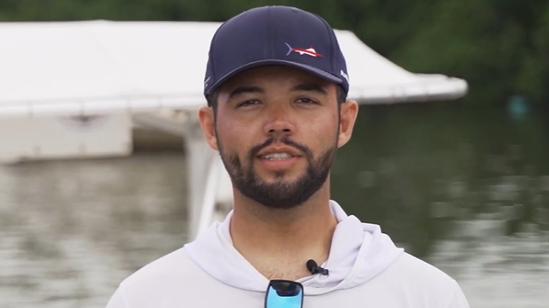
- Get Reel With The Top San Juan Fishing Charters


Summary
Land explosive yellowfin tuna on a fishing charter in San Juan this June with Captain Luis Garcia of SuFishNSea. This action-packed offshore experience delivers heart-pounding moments as you battle hard-fighting fish in Puerto Rico's premier fishing waters.
Fishing Charter with Captain Luis Garcia - Rates & Booking
Captain Luis Garcia of SuFishNSea delivered explosive action on Sunday, June 1st, landing a stunning yellowfin tuna off the coast of San Juan. This is the kind of heart-pounding moment that defines a world-class fishing charter in Puerto Rico's prime offshore waters. Ready to experience that same adrenaline rush? Book your charter today with Luis Garcia and chase trophy yellowfin in some of the Atlantic's most dynamic fishing grounds.
SuFishNSea specializes in inshore and offshore fishing adventures tailored to anglers of all skill levels. Captain Luis brings years of local expertise navigating San Juan's productive fishing zones, reading the water, and connecting you with aggressive, hard-fighting species. Contact SuFishNSea directly to reserve your date and learn about group sizes, tackle options, and trip inclusions. Your yellowfin moment is waiting.
Highlights of Yellowfin Tuna Fishing in San Juan
Yellowfin tuna hunts in San Juan deliver non-stop excitement. These powerful fish strike fast, fight hard, and demand all your skills and stamina. The offshore waters surrounding Puerto Rico create the perfect environment for targeting migratory schools of yellowfin that arrive throughout the season. When a yellowfin hits your line, you're locked into a battle that tests your endurance and technique - the kind of memory that stays with you long after the boat returns to dock.
What makes San Juan special is the consistency. Local guides like Captain Luis know exactly where schools congregate, how water temperatures and currents influence behavior, and which techniques trigger bites. The combination of abundant baitfish, favorable conditions, and warm Atlantic waters creates an ideal ecosystem for supporting robust yellowfin populations. Every trip onto the water holds genuine potential for trophy-class catches.
Local Species Insights: Yellowfin Tuna
Yellowfin tuna are built for power and speed. These streamlined predators cruise offshore waters hunting schools of smaller fish, using explosive bursts to chase down prey. They're packed with muscle, capable of running hundreds of yards on heavy drag, and they'll test every ounce of your concentration and physical ability. Yellowfin operate in tight schools, which means when you hook one, others often follow - creating the potential for multiple hookups and rapid-fire action.
In the waters around San Juan, yellowfin thrive in the warmer months when migratory patterns bring feeding schools into accessible offshore territory. They respond aggressively to live bait, artificial lures, and chunking strategies that create disturbance and trigger instinctive feeding responses. The key is positioning your boat where schooling activity concentrates - something Captain Luis Garcia has refined through countless seasons on the water. When conditions align and fish are feeding, the action comes hard and fast. Anglers experience rapid strikes, strong initial runs, and aerial displays that send adrenaline surging through your body. That's yellowfin tuna fishing in San Juan.
The challenge and reward of chasing yellowfin - their strength, intelligence, and competitive feeding behavior - make every encounter memorable. Whether you're a seasoned offshore angler or stepping into saltwater fishing for the first time, hooking into a yellowfin tuna on San Juan's offshore grounds ranks among the most thrilling fishing experiences available. The power transfer from fish to angler, the acrobatic displays, the raw speed and energy - it's pure fishing adrenaline.
Fishing in San Juan: Yellowfin Tuna
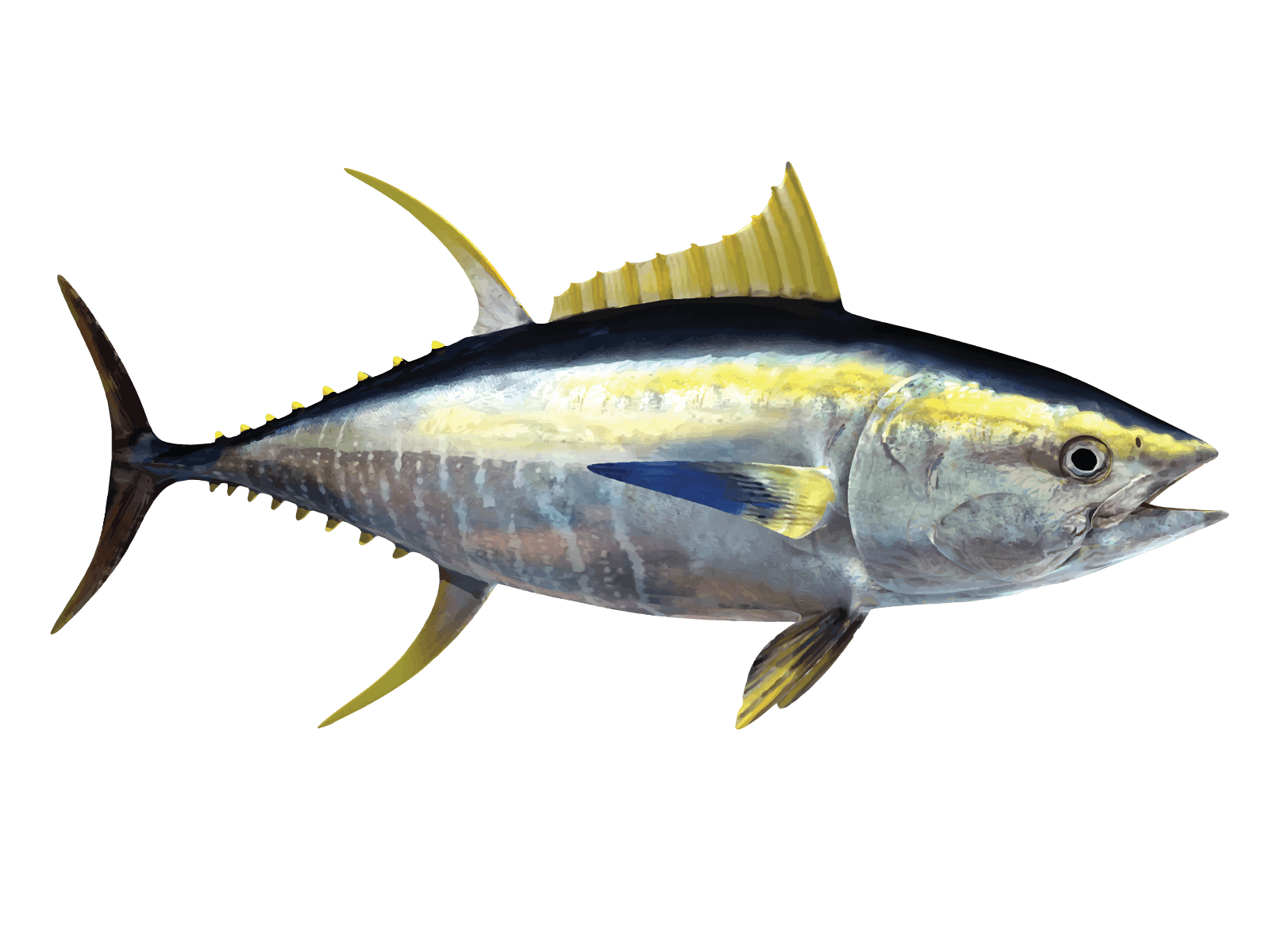
Yellowfin Tuna Overview
The Yellowfin Tuna, scientifically known as Thunnus albacares, belongs to the family Scombridae and order Perciformes. This stunning pelagic fish is instantly recognizable by its brilliant yellow coloring on the tail, dorsal fin, and anal fin, contrasting beautifully with its dark metallic blue back and silver belly. Often called "Ahi" in Hawaiian and Japanese culinary circles, the Yellowfin is a warm-blooded powerhouse that commands respect among offshore anglers and seafood enthusiasts alike. Found throughout tropical and subtropical oceans worldwide, this species represents one of the most exciting and rewarding catches available to modern sport fishermen, offering both the thrill of the fight and the exceptional quality of the final meal.
Yellowfin Tuna Habitat and Distribution
Yellowfin tuna thrive in tropical and subtropical waters across the Pacific, Indian, and Atlantic Oceans, with populations ranging as far north as Massachusetts during summer months. These highly migratory fish are typically found in the upper 330 feet of the water column, known as the pelagic zone, where they cruise in search of prey. They concentrate in areas with rich baitfish populations and favorable water temperatures, often congregating around underwater structures, continental shelves, and areas of upwelling. In the United States, significant populations support fisheries along the coasts of California, the Carolinas, and throughout the Gulf of Mexico, making these regions prime destinations for anglers pursuing this species year-round.
Yellowfin Tuna Size and Weight
Yellowfin tuna display impressive size ranges that vary by population and age. While these fish can reach massive proportions—with some specimens exceeding 440 pounds—most recreational anglers land fish in the 40 to 150-pound range, with a typical catch weighing around 60 pounds. The body length typically ranges from 27 to 94 inches, giving anglers a wide spectrum of potential encounters. Younger fish may be significantly smaller, while truly trophy specimens are rare enough to be celebrated throughout fishing communities. The size variation means that anglers of different skill levels and tackle preferences can find appropriate challenges, whether targeting schooling smaller fish or pursuing the elusive giants that define offshore angling dreams.
Yellowfin Tuna Diet and Behavior
Known colloquially as "spawning and eating machines," Yellowfin tuna are aggressive predators with insatiable appetites that drive their constant activity throughout the water column. These fish primarily feed on smaller baitfish including herring, menhaden, blue runners, anchovies, and other small schooling species, constantly hunting and feeding throughout daylight hours. Their warm-blooded physiology—maintained by a specialized meshwork of tiny blood vessels called a rete mirabile around their muscles—allows them to maintain elevated body temperatures and operate effectively in cooler waters, giving them a significant metabolic and performance advantage over cold-blooded competitors. This warm-bloodedness enables their legendary speed of up to 50 miles per hour, making them explosively fast predators. Behaviorally, they are known for their explosive strikes, often erupting from the depths to annihilate surface lures and baits with tremendous force and energy.
Yellowfin Tuna Spawning and Seasonal Activity
Yellowfin tuna exhibit distinct spawning periods that vary by geographic region. In the Gulf of Mexico, these fish spawn from May through August, while populations in the southeastern Caribbean extend their breeding season from July through November. Outside these spawning windows, Yellowfin remain active year-round in their respective ranges, though seasonal movements and migration patterns influence their availability to anglers in specific locations. Their highly migratory nature means that understanding local seasonal patterns is essential for consistent fishing success. Many anglers time their offshore trips to coincide with peak activity periods when fish concentrate in traditional feeding and spawning grounds, increasing encounter rates and strike opportunities.
Yellowfin Tuna Techniques for Observation and Capture
Trolling and Spread Fishing: Setting up a productive trolling spread is the cornerstone technique for offshore Yellowfin pursuit. Anglers should rig ballyhoo, skirted trolling lures, cedar plugs, and spreader bars at varying depths and distances behind the vessel. This method covers significant water and allows fishermen to present multiple lure profiles and colors simultaneously. The key is maintaining proper boat speed—typically 7 to 12 knots depending on lure selection—and adjusting spread configuration based on water conditions and fish activity. Around popular offshore destinations, experienced charter captains can deploy productive spreads within 30 to 60 miles of shore where deeper water structure and baitfish concentrations attract feeding Yellowfin.
Jigging and Surface Plugging: When Yellowfin are marked on sonar at depth but showing reluctance to hit trolled offerings, switching to vertical jigging with metal jigs or soft plastics often triggers strikes. Cast jigging with topwater plugs represents perhaps the most thrilling approach—nothing compares to witnessing a Yellowfin explode through the surface to annihilate a popper or stick bait in a shower of spray and fury. This technique requires vigilance and quick reflexes but rewards anglers with heart-pounding encounters and memorable strikes that define offshore fishing stories.
Chunking and Live Bait: This proven technique involves chopping fresh baitfish and casting chunks overside to create an enticing slick that draws Yellowfin upward from deeper water. Match your chunking bait to what the fish are feeding on locally—herring, menhaden, and anchovies are consistently effective options. Live bait presentations using similar species on appropriate tackle can also produce excellent results, particularly when fish are feeding actively during dawn and dusk periods.
Yellowfin Tuna Culinary and Utilization Notes
The Yellowfin tuna holds exceptional status in both recreational and commercial fisheries for its outstanding culinary qualities. Known as "Ahi" in Japanese cuisine, this species ranks as a premier sushi and sashimi fish, prized for its firm texture and rich flavor profile. While Bluefin tuna commands premium prices at high-end restaurants due to its superior fat content, Yellowfin delivers exceptional quality at a fraction of the cost, making it the intelligent choice for seafood lovers and home chefs seeking excellent value and availability. The meat grills beautifully, maintaining firm texture and developing wonderful caramelization when seared properly, and it's equally delicious as poke, ceviche, or grilled steaks. Nutritionally, Yellowfin provides excellent protein, omega-3 fatty acids, and essential minerals, making it not only delicious but genuinely good for you. The species' sustainable availability—compared to declining Bluefin populations—makes it an environmentally conscious seafood choice that supports healthy ocean ecosystems.
Yellowfin Tuna Frequently Asked Questions
Q: What is the best bait and tackle setup for catching Yellowfin tuna?
A: Success with Yellowfin requires robust tackle rated for 30 to 80-pound class depending on target size, matched with fresh baitfish such as ballyhoo, mackerel, herring, or menhaden. Live bait presentations often outperform dead offerings, though rigged ballyhoo and skirted trolling lures remain highly effective and more convenient for extended offshore trips. Match your equipment to expected fish size and sea conditions.
Q: Where can I find Yellowfin tuna near major fishing destinations?
A: Yellowfin populations support fisheries throughout offshore waters of California, Hawaii, Florida, the Carolinas, and the Gulf of Mexico. Offshore structures, continental shelves, and areas 30 to 100 miles from shore typically hold productive concentrations. Charter boats operating from major fishing ports provide expert local knowledge about current productive zones and migration patterns.
Q: Is Yellowfin tuna good to eat and how should it be prepared?
A: Absolutely—Yellowfin ranks among the world's finest food fish. The flesh is firm, relatively lean compared to Bluefin, with mild to moderate flavor that accepts diverse preparation styles beautifully. Raw preparations like sushi and poke showcase delicate qualities, while grilling, searing, and smoking applications highlight the meat's versatility and appeal.
Q: When is the best season to catch Yellowfin tuna?
A: Yellowfin remain catchable year-round in most offshore regions, though seasonal peaks vary by location. Summer months typically bring increased activity and availability in northern waters, while tropical and subtropical zones maintain consistent populations. Research your specific target region's seasonal patterns or consult local charter operators for optimal timing.
Q: How fast can Yellowfin tuna swim and what makes them so powerful?
A: These remarkable fish reach speeds exceeding 50 miles per hour, powered by their warm-blooded physiology maintained through a specialized rete mirabile blood vessel system. This warm-bloodedness enables elevated muscle temperatures, enhanced oxygen utilization, and the explosive power that makes Yellowfin one of the ocean's most thrilling adversaries.
Q: What regulations should I know about when fishing for Yellowfin tuna?
A: US regulations vary by state, with season always open year-round. Some states like the Carolinas, Alabama, Louisiana, and Mississippi enforce a 27-inch curved fork length minimum, while others have no size restrictions. Bag limits similarly vary—typically 3 fish per angler per day in regulated states, with California allowing up to 10 fish of a single species within a 20-fish finfish bag limit. Always verify current regulations with your local fish and wildlife agency before your fishing adventure.