Land Tarpon in San Juan PR - Inshore Fishing Charter
Tarpon Fishing in San Juan - What to Expect
5.0

1 Review
- 5
 100%
- 4
 0%
- 30%
- 20%
- 10%

Fishing Charter by Captain Luis Garcia in October
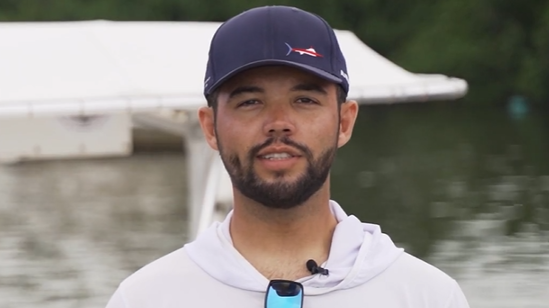
- Get Reel With The Top San Juan Fishing Charters


Summary
Join Captain Luis Garcia of FishNSea Charters on a Friday in October for an inshore fishing charter around San Juan's prime coastal waters. This 4-hour guided fishing trip targets local species including tarpon and welcomes up to 3 guests of any skill level. With personalized captain guidance and hands-on instruction, you'll learn proven techniques while exploring some of the Caribbean's most productive fishing grounds. All guidance and local expertise are included.
Inshore Fishing with Captain Luis Garcia - Rates & Booking
Captain Luis Garcia of FishNSea Charters takes anglers out on Friday in October for an unforgettable inshore fishing experience around San Juan. This is a 4-hour guided fishing charter designed for up to 3 guests, from complete beginners to experienced anglers looking to sharpen their skills. The trip focuses on finding productive inshore hotspots along San Juan's coastline where local species like tarpon are actively feeding.
What's included in this charter: hands-on instruction from an experienced captain, insider knowledge of the best fishing spots, practical guidance tailored to daily conditions, and access to proven local techniques. You'll need to bring your enthusiasm and be ready to cast - everything else is covered. The captain handles the navigation, spot selection, and teaching, so you can focus on the fishing action. This is authentic Caribbean inshore fishing with professional guidance every step of the way. Ready to book? Contact FishNSea Charters to reserve your spot and get on the water with Captain Luis.
Highlights of Beyond the Shoreline: Discovering San Juan's Inshore Fishing Grounds
What makes this San Juan fishing charter special is Captain Luis's combination of local knowledge and genuine teaching ability. He knows exactly where the fish are biting and shares the techniques that actually work in these tropical waters. Whether you're celebrating something special or just want quality time on the water, the trip delivers real fishing excitement with that perfect balance of action and learning.
The coastal scenery around San Juan is something you don't forget either. Between casts, you'll take in the tropical ocean atmosphere and the beauty of Puerto Rico's productive inshore zone. It's the kind of day where you feel like a real angler, not just someone holding a rod - and the captain makes sure every moment counts.
Local Species Insights: Tarpon
Tarpon are one of the most exciting fish you can pursue in San Juan's inshore waters, and for good reason. These powerful silver fish are known for their acrobatic fights and hard pulls on the line - they don't give up easily. Tarpon grow to impressive sizes in the Caribbean, and landing one is a genuine accomplishment that stays with you.
What makes tarpon fishing so engaging is the combination of skill and patience it requires. These fish are active in shallow coastal waters around San Juan, especially when conditions are right. They hunt along structure, grass flats, and channels where baitfish gather. Tarpon are sight hunters, so part of the adventure involves spotting them and understanding their behavior. Captain Luis knows how to read the water, identify feeding tarpon, and position the boat for the best shot at a cast.
The habitat around San Juan's inshore zone is perfect for tarpon. They thrive in the warm tropical waters and coastal structure of Puerto Rico. The fishing grounds offer a mix of depth, cover, and baitfish that tarpon seek out. On any given day, you might encounter other species too - the inshore zone is productive throughout the year. But when tarpon are feeding, there's nothing quite like the moment when one takes your fly or lure and you feel that raw power on the other end of the line.
Fishing for tarpon teaches you a lot about reading conditions, refining your cast, and staying focused. Captain Luis will walk you through what to look for, how to approach without spooking fish, and the techniques that work. Whether this is your first tarpon or your fiftieth, the experience feels fresh every time.
Plan Your Inshore Fishing Day
Your day with Captain Luis starts with a 4-hour window on the water, which gives plenty of time to hit multiple productive spots and develop a rhythm. The charter accommodates up to 3 anglers comfortably, so you can bring friends or family without crowding the boat. The captain provides all the guidance and instruction you need, plus the local expertise that turns a fishing trip into a real learning experience.
What to expect: You'll head out from San Juan to the inshore grounds, scan for feeding tarpon and other species, make casts under the captain's direction, and learn the techniques that work in these Caribbean waters. There's genuine action mixed with downtime to enjoy the scenery and chat about fishing. The pace is relaxed but focused - everyone on board stays engaged without feeling rushed. Bring sunscreen, stay hydrated, and wear comfortable clothes you don't mind getting a little wet. The captain handles everything related to navigation and fish finding, so you can concentrate on the fishing and the experience.
Fishing in San Juan: Tarpon
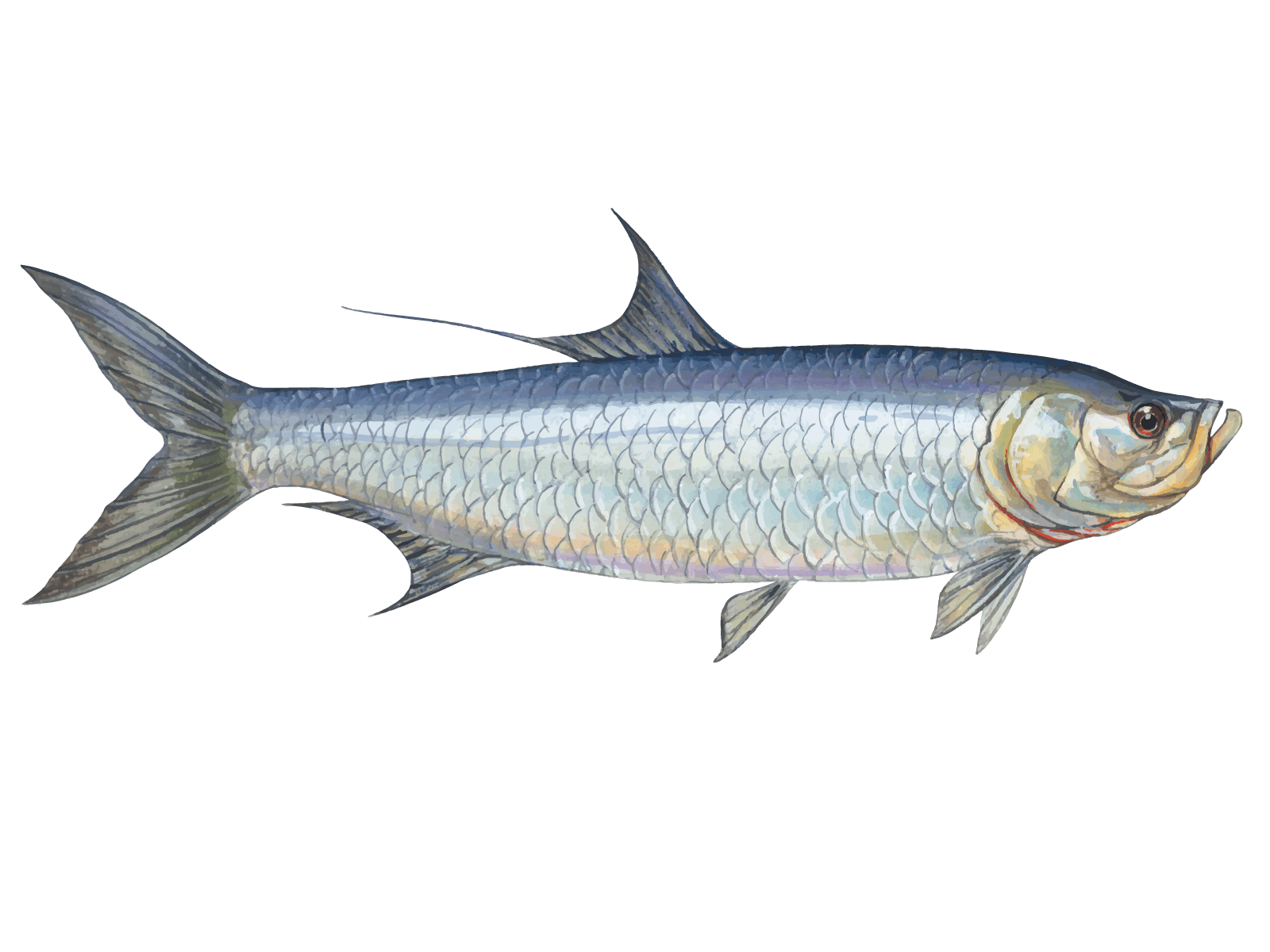
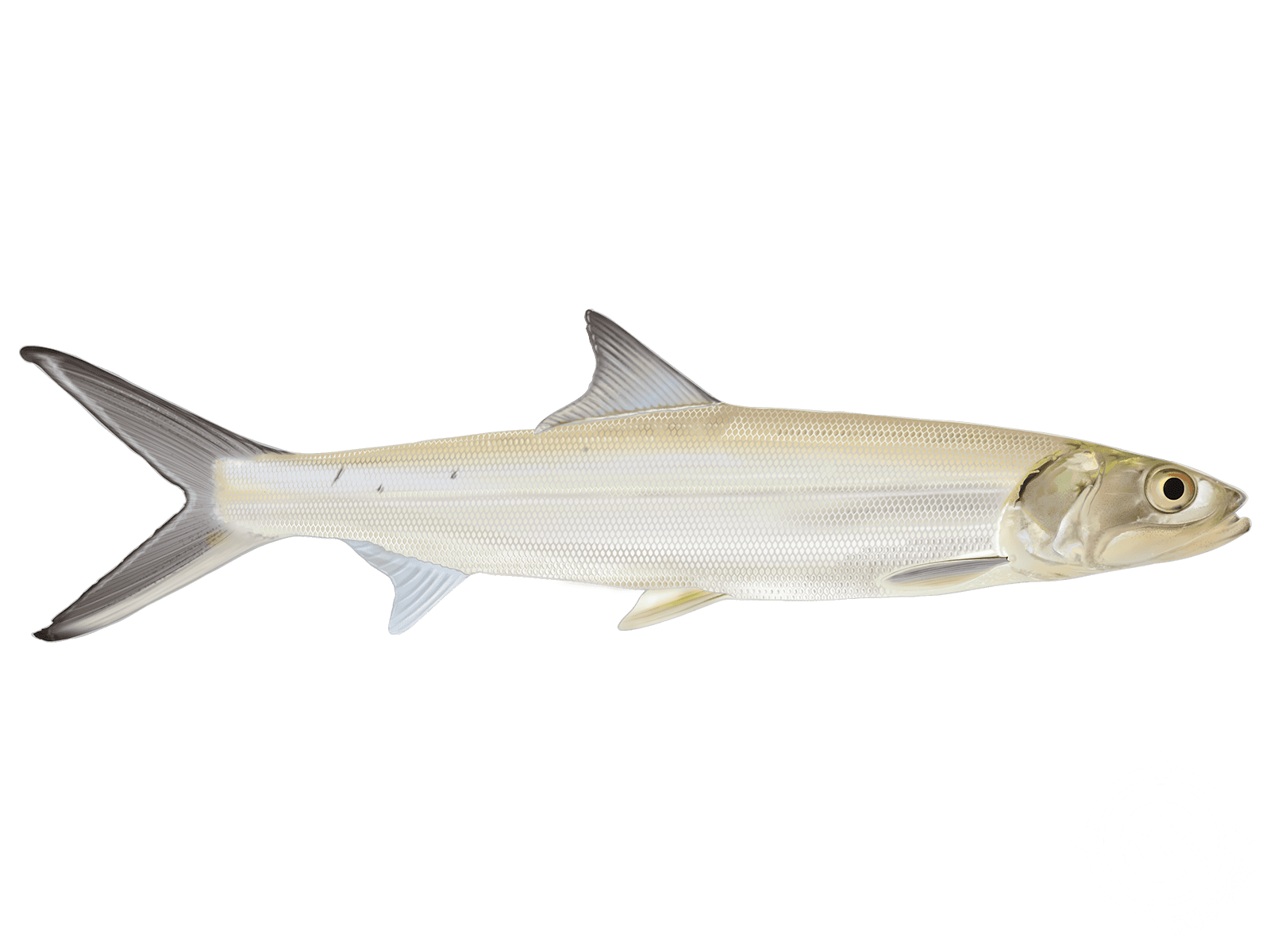
The Tarpon (Megalops atlanticus) from the family Megalopidae and order Elopiformes is arguably the most thrilling gamefish you'll encounter in warm coastal waters. Known as the "Silver King," these prehistoric giants are distinguished by their massive silver scales, elongated dorsal fin, and that unforgettable upward-pointing mouth that can unhinge like a bucket. What makes them legendary among anglers isn't just their impressive size, but their incredible acrobatics - launching up to 10 feet out of the water in spectacular aerial displays that'll have you questioning if you're fishing or watching a marine circus performance.
Tarpon Overview
These magnificent fish represent the ultimate challenge for serious anglers, combining raw power with athletic prowess that's been honed over 125 million years of evolution. They're primarily found along the western Atlantic coast from Virginia down to Brazil, with the heaviest concentrations in South Florida and the Gulf of Mexico. What draws fishing enthusiasts from around the world is their unique combination of size, fight, and accessibility - you can hook into a 100-pound fish in just a few feet of water on the flats, making for an incredibly visual and exciting angling experience.
Tarpon Habitat and Distribution
These adaptable fish thrive in a variety of environments, from shallow grass flats and mangrove creeks to deeper channels and harbor areas. They're equally comfortable in saltwater and brackish environments, often venturing into rivers and estuaries. The Florida Keys remain the epicenter of the fishing world, particularly around Islamorada, Marathon, and Key West, where the fish congregate in massive schools during their seasonal migrations. Key spots include the deeper moats around smaller keys, the edges of flats, and major channels cutting through the backcountry. During summer months, they can be found as far north as New England, while winter sees them concentrated in South Florida and Central America.
Tarpon Size and Weight
Most specimens you'll encounter range from 48 to 96 inches in length, typically weighing between 25 and 63 pounds, though the species can grow much larger. Adult fish commonly reach 4 feet and 80-100 pounds, but true giants can stretch up to 8 feet and weigh an incredible 280 pounds. Their thin bodies are covered in large, flat scales that create that distinctive silver flash underwater. The impressive size comes with age - a 100-pound fish is likely between 13-16 years old, making catch-and-release practices crucial for maintaining healthy populations.
Tarpon Diet and Behavior
As strict carnivores, they hunt mid-water baitfish with remarkable efficiency, swallowing smaller prey whole and using their speed to ambush schools of mullet, sardines, and crabs. Their unique ability to gulp air at the surface gives them a predatory advantage in low-oxygen environments, allowing them to thrive where other gamefish struggle. During the day, they often stack up in deeper holes or under bridges, becoming more active during dawn and dusk feeding periods. Their behavior varies seasonally - spring and summer months bring the famous migrations and spawning activity, while cooler months see them in deeper, more protected waters.
Tarpon Spawning and Seasonal Activity
Spawning occurs offshore in warm, secluded areas during late spring through late summer, typically coinciding with new or full moon cycles. Females release up to 12 million eggs in a spectacular broadcast spawning event, with the transparent, ribbon-like eggs floating on the surface. After hatching, juveniles remain in shallow nursery areas until reaching maturity at 7-13 years old. The seasonal migrations bring massive schools through prime fishing areas, with spring arrivals in the Keys often numbering in the thousands, creating some of the most exciting angling opportunities anywhere in the world.
Tarpon Techniques for Observation and Capture
Live bait fishing with shrimp, pinfish, mullet, or crabs remains the most effective approach - stake out above known holding areas and drift your bait down to the fish. A 5000-7000 size spinning reel paired with a medium-weight rod provides sufficient power without being cumbersome. For the ultimate challenge, fly fishing on the shallow flats using patterns like the Black Death, Tarpon Toad, or Purple People Eater on a 10-weight rod creates heart-stopping visual encounters. Around the Florida Keys, focus on the edges of flats during moving tides, particularly early morning and late afternoon when the fish are most active. The key is patience and being ready for that explosive strike - when it happens, hold on tight and prepare for an aerial show that'll last in your memory forever.
Tarpon Culinary and Utilization Notes
While technically edible, these fish are rarely kept for the table due to several factors. Their flesh contains high mercury levels and has a tough, bony texture that makes preparation challenging. The meat is white and flaky with a mild, somewhat oily flavor, but the numerous small bones make it impractical for most cooking methods. More importantly, their slow growth rate, late maturity, and threatened population status make catch-and-release the ethical choice. The real value lies in the incredible fishing experience they provide - the fight, the jumps, and the story you'll tell for years to come are worth far more than any meal.
Tarpon Frequently Asked Questions
Q: What is the best bait for Tarpon fishing?
A: Live bait works best - large shrimp, pinfish, mullet, and blue crabs are all excellent choices. Hook crabs through the corner of the shell and baitfish through the mouth. Fresh cut bait can also be effective, especially mullet and sardines.
Q: Where can I find Tarpon near the Florida Keys?
A: Focus on the channels between keys, deeper moats around smaller islands, and the edges of grass flats. Popular spots include Islamorada's backcountry, the Seven Mile Bridge area near Marathon, and the flats around Key West. Harbor areas and bridges often hold fish during the day.
Q: Is Tarpon good to eat?
A: While edible, they're not recommended for consumption due to high mercury levels, tough flesh, and numerous bones. More importantly, these slow-growing fish are crucial to maintain in the ecosystem, making catch-and-release the preferred practice among responsible anglers.
Q: When is the best time to catch Tarpon?
A: Peak season runs from March through July in South Florida, with May and June typically offering the best action. Fish during moving tides, particularly early morning and late afternoon. New and full moon periods often provide the most activity.
Q: How big do Tarpon get and how old do they live?
A: Common sizes range from 4-6 feet and 80-100 pounds, but giants can reach 8 feet and 280 pounds. They're incredibly long-lived, with lifespans exceeding 50 years. A 100-pound fish is typically 13-16 years old, highlighting the importance of release practices.
Q: What tackle do I need for Tarpon fishing?
A: A 5000-7000 size spinning reel with smooth drag, paired with a medium-heavy rod, handles most situations. Use 30-50 pound braided line with a fluorocarbon leader. The reel must be corrosion-resistant and have enough capacity for long runs - these fish can strip hundreds of yards of line in seconds.
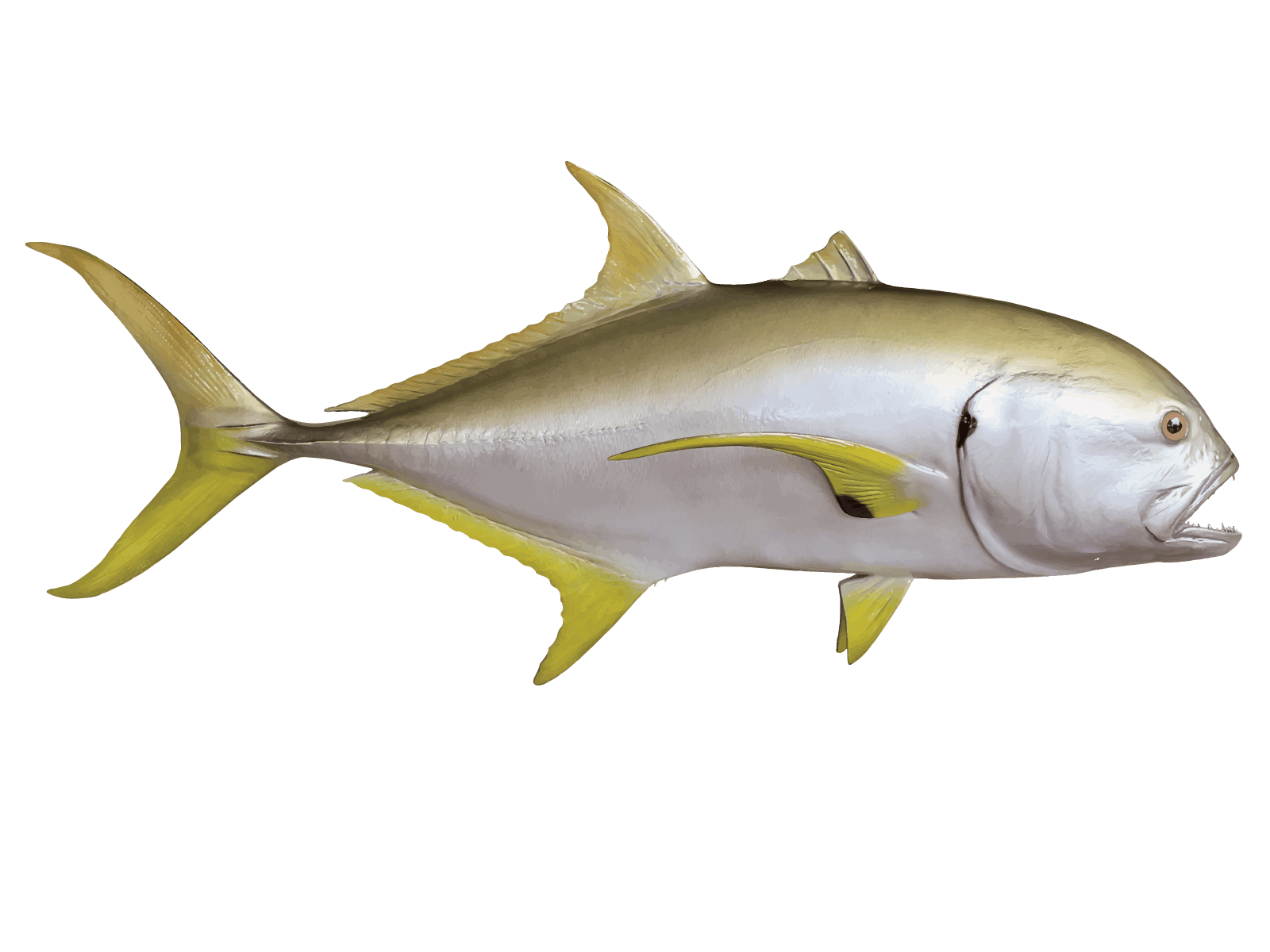
More species you can explore on this trip
Other customer memories from this trip
The fishing boat is set up perfectly for the kind of inshore work Captain Luis specializes in around San Juan. You get a working platform that's comfortable enough for a 4-hour day but real enough that you're not sitting around - there's space to move around, cast from different angles, and stay comfortable in the tropical heat. The boat has good sight lines for spotting tarpon and other fish in the shallows, which is crucial when you're hunting specific targets. You'll notice the captain can position the boat in tight spots along the coastal structure and shallow areas where inshore fish hang out. There's practical rigging for fishing - rod holders positioned where you need them, clear deck space for casting, and the kind of setup that tells you this boat gets used for actual fishing, not just cruising. The whole vibe is working and experienced rather than fancy, which is exactly what you want when you're focused on finding fish and improving your technique.