%2Ffit-in%2F250x250%2Fusers%2F22ec3c8f-3e67-4dd1-a9d1-67fa97781b18%2Fimages%2Fa4c51974-f39c-437a-9280-f9e9fe5ae40e.jpg&w=1920&q=100)
San Juan Tarpon Fishing with Captain Luis
Tarpon Fishing in San Juan
5.0

1 Review
- 5
 100%
100% - 4
 0%
0% - 30%
- 20%
- 10%
%2F%2Fusers%2F22ec3c8f-3e67-4dd1-a9d1-67fa97781b18%2Fimages%2Ftarpon-fishing-san-juan-pr-3072.png&w=1920&q=75)
The mighty Tarpon (Megalops Atlanticus) is one of the most sought-after gamefish in San Juan's waters, prized for its spectacular aerial displays and powerful runs. These prehistoric fish belong to the order Elopiformes and family Megalopidae, measuring between 48-96 inches and weighing 25-63 pounds when caught in San Juan's inshore flats. - Tarpon are renowned for their acrobatic leaps and fighting ability. - They prefer structure-rich habitats that hold baitfish schools. - Fall months bring particularly strong tarpon activity to San Juan's coastal waters.
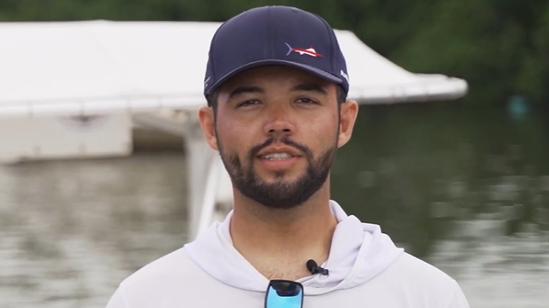
Fishing Charter by Captain Luis Garcia in October
- Get Reel With The Top San Juan Fishing Charters


Summary
Friday October on San Juan's productive inshore waters delivered non-stop tarpon action with Captain Luis Garcia of SuFishNSea. We worked the flats using both bottom fishing and jigging techniques, with live bait producing excellent results throughout the morning. San Juan's structure-rich inshore waters create perfect tarpon habitat, holding baitfish that attract these silver kings. The afternoon cloud cover actually extended the bite, keeping fish active longer than usual. Our 4-hour charter provides ample time to work different spots and techniques while targeting tarpon, jack, and barracuda. Whether you're experienced with jigging or new to bottom fishing, Captain Luis provides the guidance and gear needed for a successful day on the water.
Fishing Charter with Luis Garcia – Rates & Booking
Captain Luis Garcia of SuFishNSea runs Friday October fishing charters targeting San Juan's productive inshore waters. His Half Day Guided Fishing Trip offers 4 hours of prime fishing time, perfect for anglers looking to tangle with tarpon, jack, and barracuda. This trip accommodates up to 3 guests with all necessary tackle and gear provided. Captain Luis specializes in both bottom fishing and jigging techniques, adapting to conditions and fish behavior for maximum success. His local knowledge of San Juan's flats and structure ensures consistent action throughout your trip.
Highlights of Half Day Guided Fishing Trip In San Juan - Jack, Barracuda And More
San Juan's inshore waters offer consistently productive fishing, especially during fall months when baitfish are abundant. Captain Luis targets prime structure where tarpon, jack, and barracuda congregate, using proven techniques like bottom fishing, jigging, and live bait presentations. The 4-hour trip format provides enough time to work multiple spots while keeping the pace comfortable for anglers of all skill levels.
This trip stands out for its reliable action and Captain Luis's ability to adapt to changing conditions. When clouds rolled in during our recent outing, he quickly adjusted our approach to capitalize on the extended bite. His local expertise means you'll learn effective techniques while experiencing some of San Juan's most consistent inshore fishing opportunities.
Local Species Insights: Tarpon
Tarpon thrive in San Juan's inshore waters, particularly around structure that holds baitfish. These powerful gamefish, often called silver kings, provide spectacular fights with acrobatic jumps and blistering runs. Captain Luis targets them using both bottom fishing techniques and live bait presentations, adapting to daily conditions. Fall months prove especially productive as baitfish schools concentrate in predictable areas. The flats and structure around San Juan create perfect tarpon habitat, offering anglers excellent opportunities throughout the year, but particularly during baitfish migrations. Jigging techniques also produce consistent results when targeting structure where tarpon hold.
Plan Your Fishing Charter Day
Captain Luis provides all necessary fishing gear including rods, reels, tackle, and bait for your 4-hour charter. His boat comfortably accommodates up to 3 guests with enough fishing space for everyone. Morning trips typically begin early to capitalize on peak feeding times, though afternoon trips can be equally productive, especially with cloud cover extending the bite. Wear weather-appropriate clothing, bring sun protection, and consider seasickness prevention if you're susceptible. A valid fishing license is required, which Captain Luis can help arrange. Light refreshments are recommended as the Puerto Rican sun can be intense even on cloudy days.
Fishing in San Juan: Tarpon
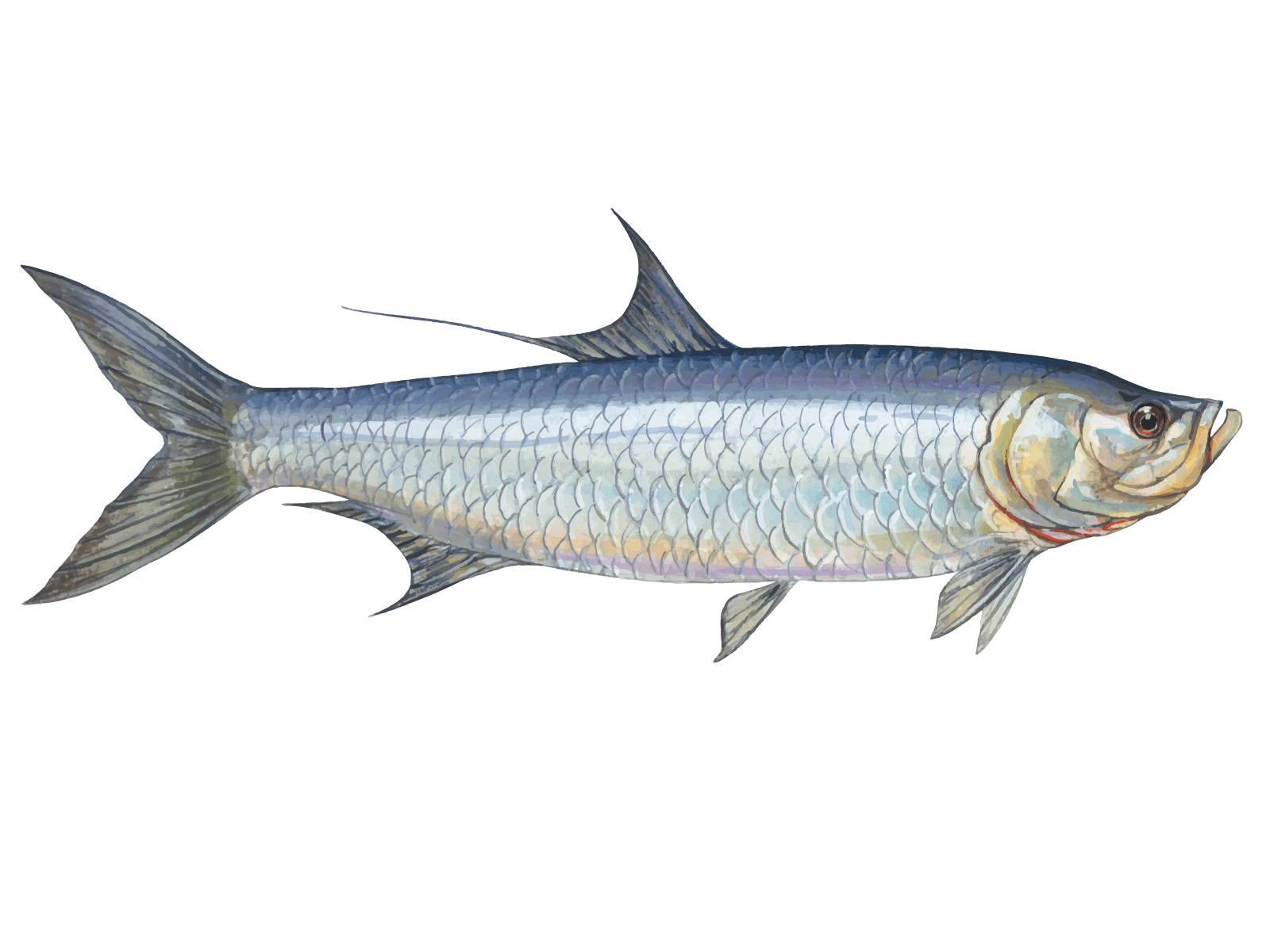
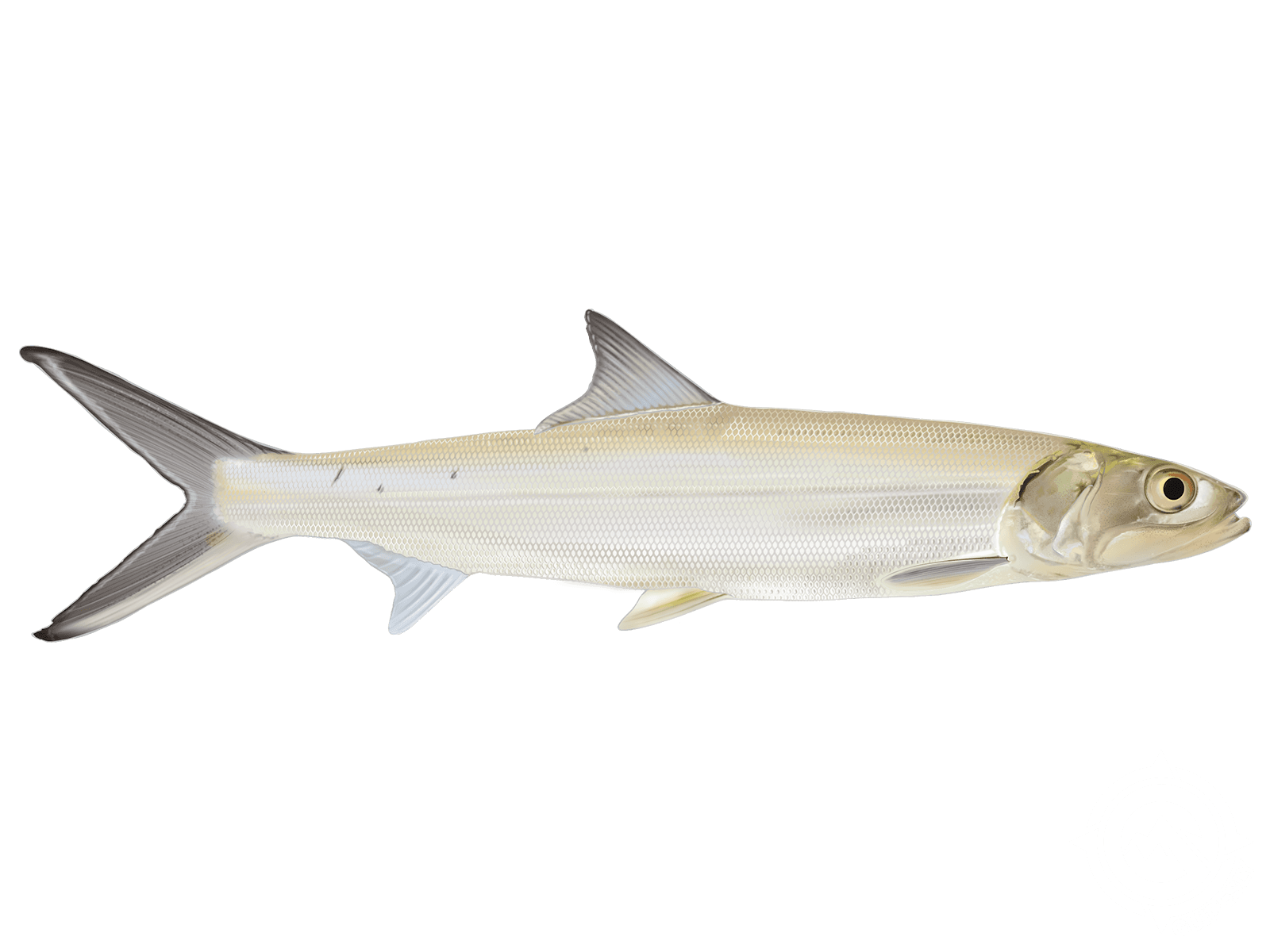
The Tarpon (Megalops atlanticus), a member of the Megalopidae family and Elopiformes order, is one of the most prized gamefish in San Juan waters. Distinguished by its large, silver scales, massive mouth, and spectacular jumping ability, these prehistoric-looking fish create unforgettable moments for anglers. In San Juan's waters during October, tarpon become increasingly active as they follow baitfish migrations through the inshore flats.
Tarpon Overview
Tarpon are prehistoric fish with a lineage dating back 100 million years. They're often called "silver kings" due to their brilliant, coin-sized scales that shimmer in the sunlight. Their most distinctive characteristic is their ability to breathe air directly through a modified swim bladder, allowing them to tolerate low-oxygen environments where other gamefish cannot survive.
Tarpon Habitat and Distribution
Tarpon thrive in warm tropical and subtropical waters throughout the Atlantic, with San Juan's inshore areas providing ideal habitat. They prefer structure-rich environments including flats, channels, mangrove shorelines, and bridges. In San Juan specifically, they congregate around areas with good tidal flow where baitfish become concentrated, making them predictable targets for guided fishing trips.
Tarpon Size and Weight
While San Juan tarpon typically range from 48 to 96 inches in length and weigh between 25 and 63 pounds, they can grow significantly larger in other locations. The current world record stands at 286 pounds, though most anglers targeting them in Puerto Rico's waters can expect specimens in the 40-80 pound class, which still provide tremendous sport on appropriate tackle.
Tarpon Diet and Behavior
Tarpon are opportunistic predators feeding primarily on mullet, pinfish, sardines, shrimp, and crabs. They often hunt during low-light conditions, making early morning and evening prime fishing times. When actively feeding, tarpon will roll at the surface to gulp air, creating visible "rolling" patterns that experienced guides like Captain Luis use to locate active fish.
Tarpon Spawning Season
Tarpon spawn offshore in deep water primarily during summer months when water temperatures reach their peak. During spawning season, large numbers congregate in passes and channels before moving to spawn, creating excellent fishing opportunities. After spawning, they often return to inshore waters where they can be targeted more effectively from smaller vessels.
Tarpon Fishing Techniques
In San Juan, successful tarpon fishing combines several proven approaches. Live bait fishing with pilchards or mullet suspended under a float works exceptionally well around structure. Jigging with bucktail jigs or heavy soft plastics produces when fish are holding deeper. For the ultimate challenge, fly fishing with large baitfish patterns on 10-12 weight rods offers an exciting visual experience. In October, anglers around San Juan find tarpon concentrated around deeper channel edges adjacent to flats as water temperatures begin to cool slightly.
Tarpon Is It Good to Eat?
Tarpon are not typically harvested for food. Their flesh contains many small bones and has a strong, oily flavor that most find unpalatable. Additionally, their status as premier gamefish has led most anglers to practice strict catch-and-release, preserving the fishery for future generations. In Puerto Rico, conservation ethics strongly encourage releasing these magnificent fish to fight another day.
Tarpon Frequently Asked Questions
Q: What is the best bait for tarpon in San Juan?
A: Live pilchards, mullet, and threadfin herring are top natural baits for San Juan tarpon. For artificial lures, bucktail jigs in white or chartreuse and large soft plastic swimbaits produce consistent results when worked around structure.
Q: Where can I find tarpon near San Juan?
A: Tarpon in San Juan are commonly found around bridge pilings, channel edges, and deeper holes adjacent to flats. The structure around San Juan Bay and nearby inshore waters holds tarpon year-round, with concentrations increasing during baitfish migrations.
Q: Is tarpon good to eat?
A: Tarpon is not considered good table fare due to numerous small bones and strong-flavored, oily flesh. Most anglers practice catch-and-release to conserve this valuable sportfish.
Q: When is the best time to catch tarpon in San Juan?
A: While tarpon can be caught year-round in San Juan, peak seasons occur during spring and fall baitfish migrations. Early morning and evening hours typically produce the best action, particularly during tide changes when water movement concentrates baitfish.
Q: What pound test line should I use for tarpon?
A: For San Juan tarpon, 30-50 pound braided line with a 60-80 pound fluorocarbon or monofilament leader provides the right balance of strength and casting ability. Heavier tackle may be needed around structure to prevent break-offs.
Q: How do you identify a tarpon?
A: Tarpon are easily identified by their large, silver scales, upturned mouth, and prominent dorsal fin. Their ability to jump multiple times during a fight and their habit of rolling at the surface to gulp air are also distinctive characteristics that help anglers identify them.