%2Ffit-in%2F250x250%2Fusers%2F22ec3c8f-3e67-4dd1-a9d1-67fa97781b18%2Fimages%2Fa4c51974-f39c-437a-9280-f9e9fe5ae40e.jpg&w=1920&q=100)
San Juan Tarpon Adventure with Luis Garcia
Tarpon Inshore in San Juan
5.0

1 Review
- 5
 100%
100% - 4
 0%
0% - 30%
- 20%
- 10%
%2F%2Fusers%2F22ec3c8f-3e67-4dd1-a9d1-67fa97781b18%2Fimages%2Fbest-tarpon-catch-cooperativa-ramp-10580.png&w=1920&q=75)
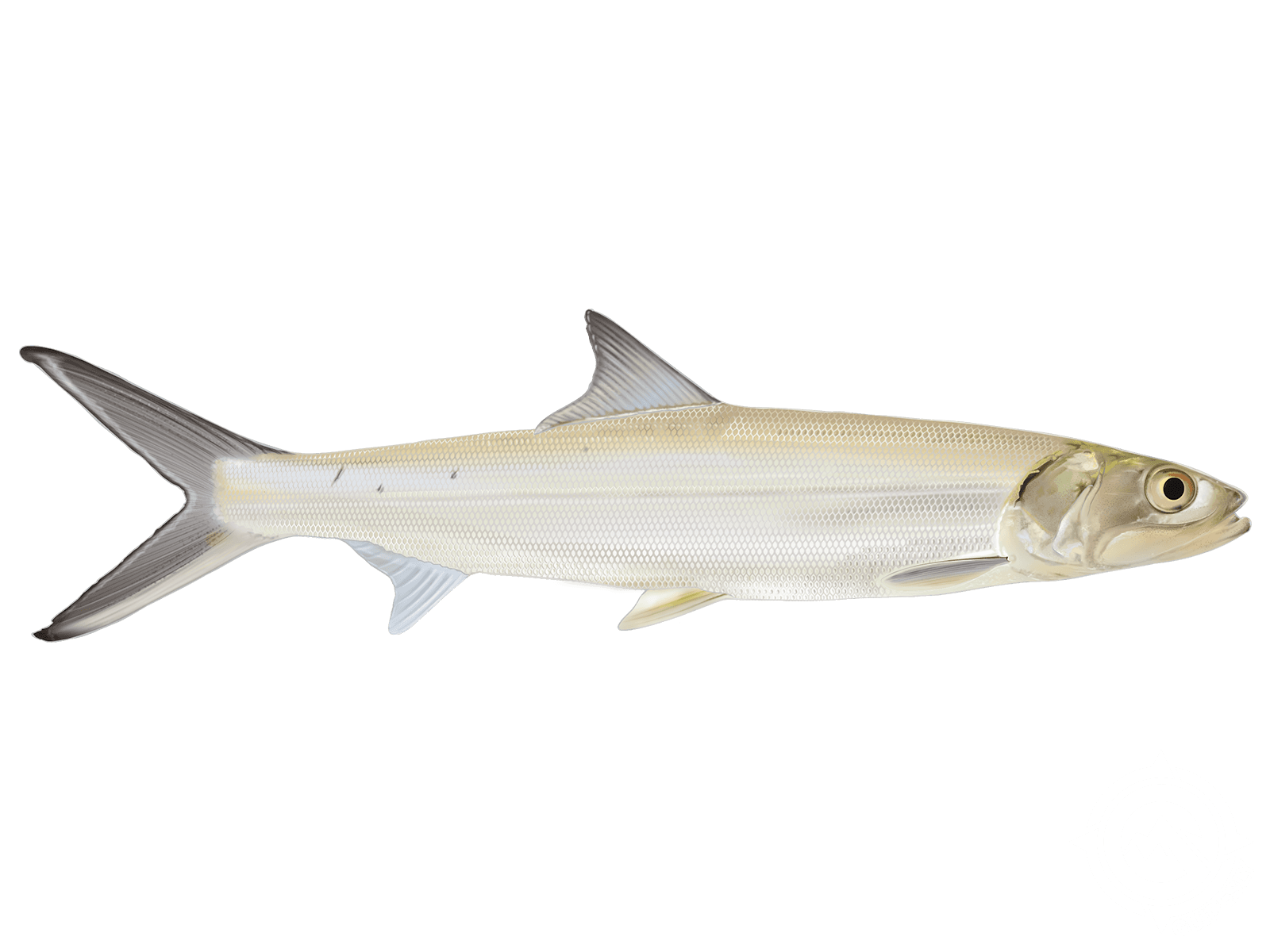
The Megalops Atlanticus, commonly known as Tarpon, is a prehistoric-looking game fish prized for its spectacular fighting ability. Belonging to the Elopiformes order and Megalopidae family, these silver-sided giants typically measure between 48-96 inches in length and weigh 25-63 pounds, though trophy specimens can reach well over 200 pounds. - Tarpon are known for their spectacular aerial displays when hooked. - Despite their immense popularity as a game fish, tarpon are not considered good table fare and are primarily caught for sport. - These fish have a unique air bladder that allows them to gulp air at the surface, enabling them to survive in oxygen-poor waters.
Fishing Charter by Captain Luis Garcia in October
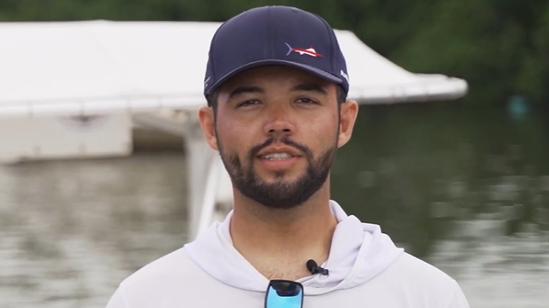
- Get Reel With The Top San Juan Fishing Charters


Summary
Sunday October was the perfect day for an extended half-day fishing charter in San Juan. Captain Luis Garcia of SuFishNSea guided us through prime inshore waters, where we combined bottom fishing, drift fishing, and active casting techniques. The morning conditions set us up for consistent action targeting tarpon, jack, and barracuda. This 6-hour inshore fishing trip delivered exactly what San Juan waters are known for—hard-hitting action and silver-scaled beauties. Robert connected with several tarpon throughout our session, with one particularly memorable catch on light tackle. Whether you're looking for steady bottom fishing or the thrill of a tarpon exploding on your lure, Captain Luis knows exactly where to position you for the best chance at success on these productive waters.
Fishing Charter with Luis Garcia – Rates & Booking
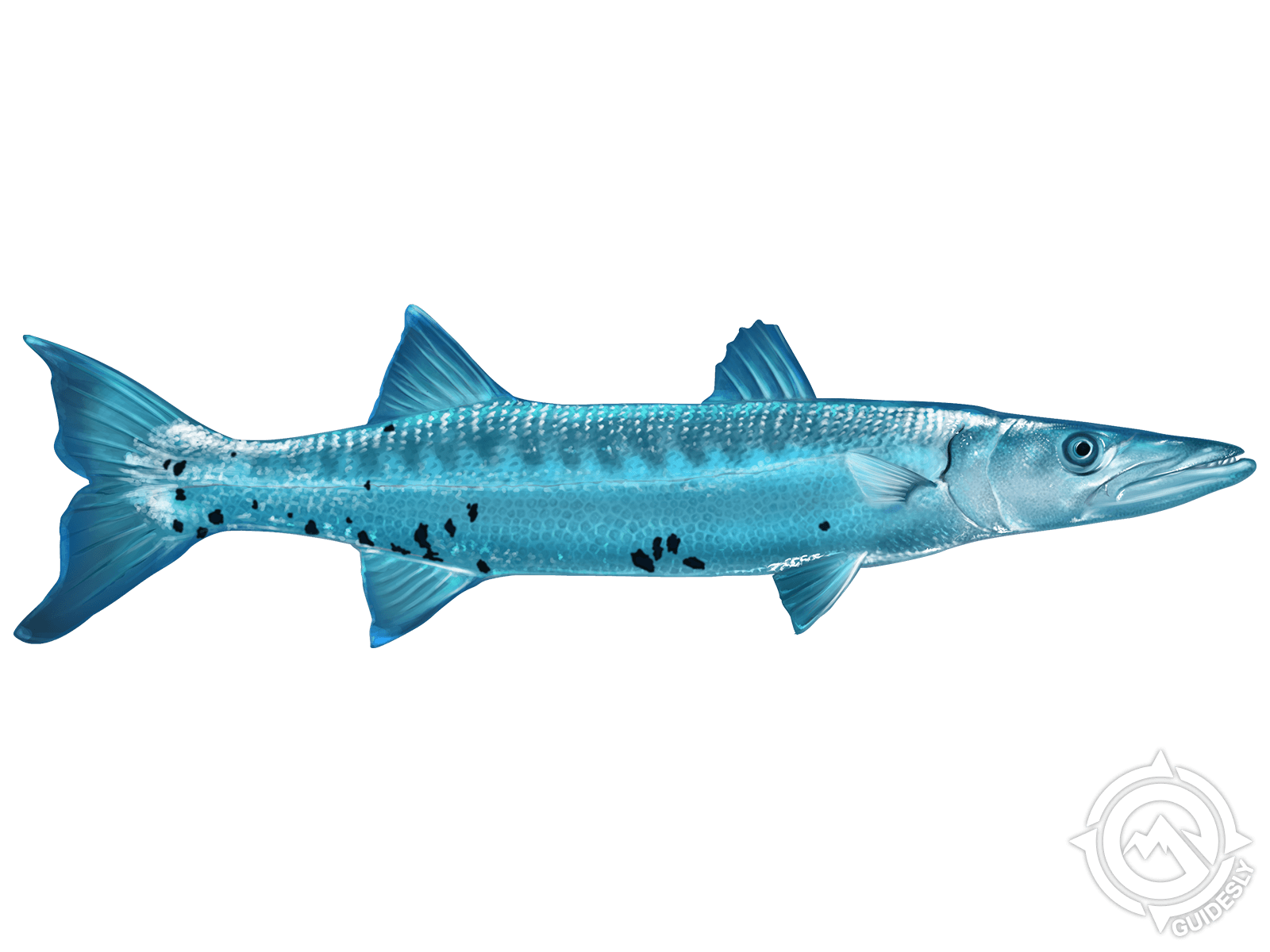
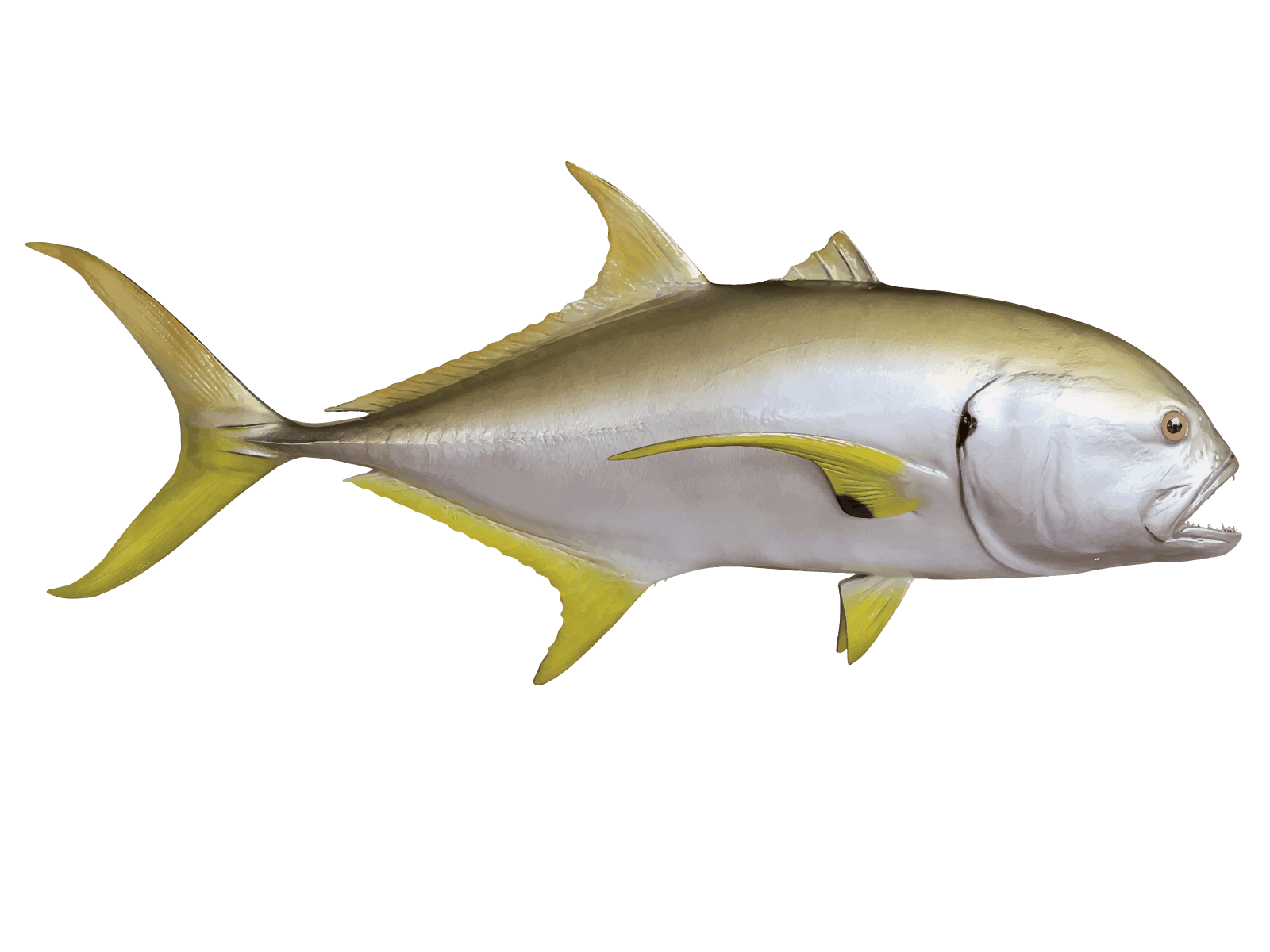
Captain Luis Garcia of SuFishNSea offers this Sunday October Extended Half Day Guided Fishing Trip targeting jack, barracuda, and tarpon in San Juan's productive inshore waters. This 6-hour adventure gives you plenty of time to work different fishing techniques in various areas around San Juan. Captain Luis provides all necessary fishing gear and his local expertise to put you on fish consistently. With room for up to 3 guests, this trip is perfect for small groups or families looking for quality time on the water. Morning departures are recommended for optimal conditions, though exact times can be arranged when booking.
Highlights of Extended Half Day Guided Fishing Trip In San Juan - Jack, Barracuda And More
This 6-hour inshore fishing trip combines multiple proven techniques to maximize your success. You'll experience bottom fishing and drift fishing, with opportunities for casting lures between drifts. San Juan's inshore waters consistently produce action when you mix bottom work with active casting. Targeting species like tarpon, jack, and barracuda, this trip delivers the perfect blend of instruction and excitement.
Captain Luis's local knowledge ensures you'll visit productive spots around San Juan where these species gather. Whether you're a seasoned angler or just getting started, you'll benefit from personalized tips and techniques to improve your catch rate. The extended half-day format gives you enough time to really settle in and experience what makes San Juan inshore fishing special.
Local Species Insights: Tarpon
Tarpon in San Juan's waters offer some of the most exciting light tackle action you'll find anywhere. These silver kings are known for their spectacular aerial displays when hooked, often launching several feet out of the water in explosive jumps. The inshore waters around San Juan provide ideal habitat for tarpon, with structures and current flows that concentrate baitfish. During fall months, San Juan tarpon fishing can be particularly productive as these fish feed heavily.
Captain Luis typically targets tarpon using drift fishing techniques and jigging in areas where tidal currents create feeding opportunities. Light tackle and fly fishing setups both produce results when targeting these hard-fighting game fish. The thrill of a tarpon strike and subsequent battle makes this species a bucket list catch for many anglers visiting San Juan.
Plan Your Fishing Charter Day
For your day on the water with Captain Luis, plan to arrive at the Cooperativa de Pescadores Ramp about 15 minutes before your scheduled departure time. Wear comfortable clothes appropriate for the weather, with layers recommended for changing conditions. Sunscreen, hat, polarized sunglasses, and non-marking shoes are essential items to bring. The boat comfortably accommodates up to 3 guests with all fishing equipment provided, though you're welcome to bring your favorite rod if preferred. A small cooler for personal beverages and snacks is recommended. Captain Luis focuses on creating a safe, enjoyable experience whether you're a seasoned angler or trying inshore fishing for the first time in San Juan's beautiful waters.
Fishing in San Juan: Tarpon
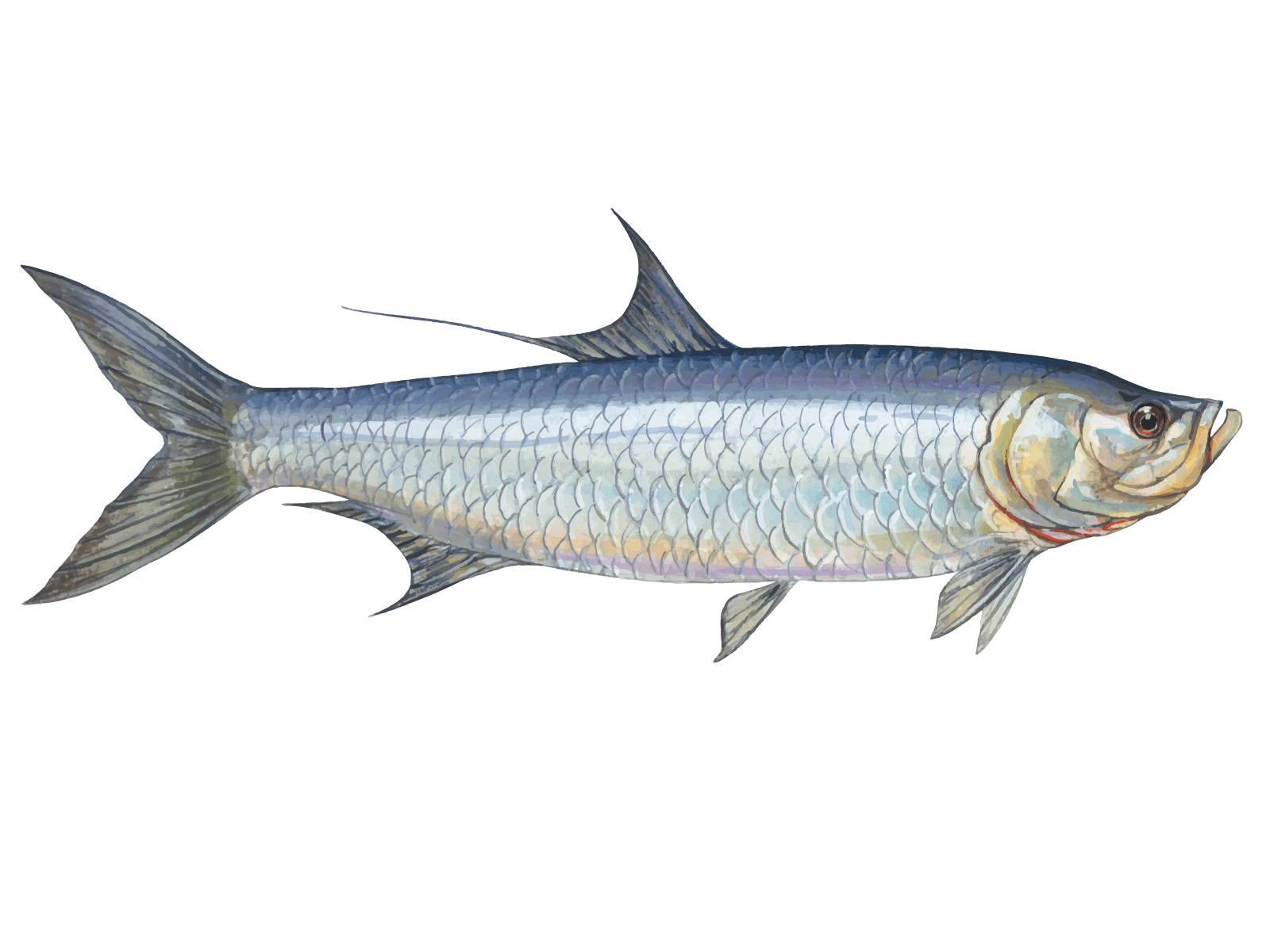
The Tarpon (Megalops atlanticus) belongs to the Megalopidae family in the order Elopiformes. These magnificent silver-sided fish are instantly recognizable by their large, metallic scales and impressive jumps when hooked. In San Juan waters this October, tarpon provide some of the most exhilarating fishing action available to anglers.
Tarpon Overview
Tarpon are prehistoric-looking gamefish with a lineage dating back over 100 million years. They're revered among anglers for their spectacular fighting ability, especially their tendency to make multiple explosive jumps when hooked. While not valued as food fish in most regions, they're considered one of the premier sportfish species worldwide due to their size and fighting spirit.
Tarpon Habitat and Distribution
Tarpon thrive in warm, tropical waters throughout the Atlantic Ocean, Caribbean Sea, and Gulf of Mexico. They're commonly found in coastal areas, inshore flats, mangrove shorelines, and river mouths. Around San Juan, tarpon frequent inshore areas where tidal currents create feeding opportunities, particularly around structures that concentrate baitfish.
Tarpon Size and Weight
These impressive fish typically range from 48 to 96 inches in length, with weights between 25 and 63 pounds. However, trophy specimens can grow much larger, with some fish exceeding 200 pounds. The current world record stands at 286 pounds, though fish over 100 pounds are considered excellent catches in most regions.
Tarpon Diet and Behavior
Tarpon are opportunistic predators that feed on a variety of prey including mullet, pinfish, crabs, and shrimp. They're known to move in schools, especially when younger, and often roll at the surface to gulp air through their specialized air bladder. This unique adaptation allows them to survive in oxygen-poor waters where other fish cannot.
Tarpon Spawning Season
Tarpon typically spawn offshore in deep water during summer months when water temperatures reach optimal levels. During spawning season, they often gather in large numbers before moving to their spawning grounds. After spawning, many tarpon return to inshore waters and estuaries where feeding opportunities abound.
Tarpon Fishing Techniques
For tarpon in San Juan waters, several techniques prove effective. Live bait fishing with mullet or pinfish works well when drifting through areas with known tarpon activity. Artificial lures like heavy jigs and swimming plugs can be deadly when worked near bottom structure. Fly anglers often use large baitfish patterns on 10-12 weight setups. In October around San Juan, tarpon often concentrate around deeper channels and cuts where tidal movement creates feeding opportunities.
Tarpon Is It Good to Eat?
Tarpon are not generally considered good eating fish. Their flesh is filled with small bones and has a strong, unpleasant flavor. Additionally, in many areas including Puerto Rico, tarpon are protected as gamefish and must be released. The real value of tarpon lies in the sporting experience they provide rather than their table qualities.
Tarpon Frequently Asked Questions
Q: What is the best bait for tarpon?
A: Live mullet, pinfish, crabs, and large shrimp are excellent natural baits for tarpon. In San Juan waters, live mullet tends to be particularly effective during fall months.
Q: Where can I find tarpon near San Juan?
A: Tarpon in San Juan are commonly found in deeper inshore channels, around bridge pilings, and in areas where tidal currents create feeding opportunities. Captain Luis Garcia specializes in locating these productive tarpon spots.
Q: Is tarpon good to eat?
A: No, tarpon is not considered good table fare. The meat contains numerous small bones and has a strong, undesirable flavor. In Puerto Rico, tarpon are primarily caught for sport and released.
Q: When is the best time to catch tarpon?
A: In San Juan, tarpon can be caught year-round, but fall months like October often provide consistent action. Early morning and evening hours typically produce the best results, especially during tidal changes.
Q: How big do tarpon get in Puerto Rico?
A: Tarpon in Puerto Rico waters commonly reach 48-96 inches in length and 25-63 pounds, though larger specimens over 100 pounds are occasionally caught.
Q: What pound test line should I use for tarpon?
A: For tarpon fishing in San Juan, 20-30 pound test line is standard for spinning gear, while 60-80 pound test leaders are recommended due to the tarpon's abrasive mouth and jumping ability.